In brief
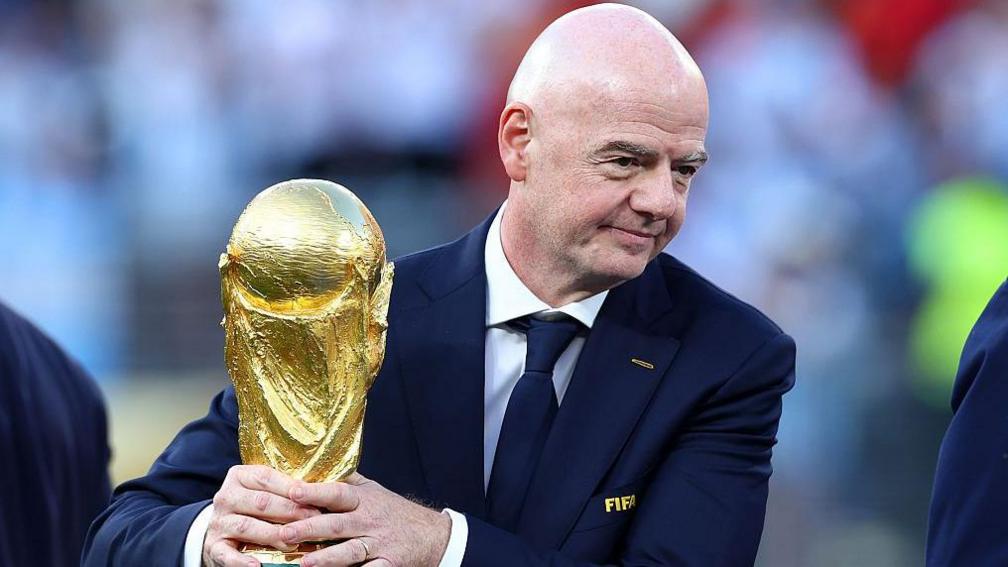
FIFA’s president Gianni Infantino, who has overseen global football since 2016, now faces a direct challenge from Europe’s UEFA and other continental associations. Following his proposed investment plan, federations such as Concacaf, AFC and several European unions issued statements of concern and threatened to cancel competitions. The most dramatic response came from UEFA, declaring it had lost confidence in Infantino and threatening a boycott of all FIFA tournaments. Meanwhile, Infantino was left without two of his close aides, and his support base remained uncertain. The path to removal would involve a council emergency meeting and a possible extraordinary congress, but the outcome will hinge on the ability of the dissenting federations to secure the necessary votes and curb any sponsorship fallout.
In the whirlwind of the last 24 hours, FIFA president Gianni Infantino finds himself in the most exposed position the organization has ever seen. The organisation, whose power extends over the world’s most followed sport, is now under an unprecedented barrage of criticism.
Infantino’s first move toward a lucrative investment plan – the sale of stakes in FIFA competitions to private firms – reportedly slipped without the knowledge of the broader council. That error exposed the lack of alignment between his agenda and the priorities of the 211 FIFA member associations.
The most dramatic response came from UEFA, the governing body for European football, who announced it had lost confidence in Infantino. The federation threatened to boycott all FIFA tournaments, a move that could cripple the world cup’s legitimacy and revenue.
Other confederations followed suit. Concacaf called for a full review of FIFA’s leadership, and the Asian Football Confederation (AFC) issued a statement distancing itself from Infantino. Even within his own council, two senior aides – Carlos Cordeiro and Kevin Lamour – disappeared from his entourage.
So what are the real options if Infantino decides not to step down? The council can organize an emergency meeting if 19 members request it. If that opens a door to ask Infantino to resign, he could be forced into a public debate. A more formal route would be an extraordinary congress, where 43 associations can call for a vote of no confidence – a process that could take several months.
Should a new president emerge, the goal would be someone who can unite the 215 associations that remain loyal to Infantino – a continental president with wide appeal. Many in the football world point to Concacaf’s Victor Montagliani, a native in the region who shares Infantino’s reform agenda, or the AFC’s Sheikh Salman bin Ebrahim Al Khalifa, who has led a broad confederation for several terms.
Even if Infantino survives the immediate backlash, the broader picture remains bleak. Sponsor partners that withdraw support could inflict significant financial damage, as happened in the 2015 corruption scandal. The psychological momentum against him may grow if the FIFA council continues to reject his investment plan and enforce a boycott of the 2026 World Cup.
In short, while Infantino remains on the job for now, the next few months will be a mental and political marathon. He must rebuild trust from continental bodies, reassure investors, and secure his 106‑vote registration if a no‑confidence motion materialises. Until then, every stakeholder – from fan communities to global corporations – watches to see if the current football powerhouse restructures itself or bleeds into reform.