Minnesota public universities can continue to offer in-state tuition and scholarships to some immigrants in the country without legal status, a federal judge ruled on Friday, dismissing a lawsuit filed by the Department of Justice last summer that attempted to halt the programs.
The decision follows a series of clashes between the federal government and Minnesota officials over immigration enforcement.
United States District Judge Katherine Menendez stated in her ruling that the federal government failed to demonstrate that the in-state tuition programs for immigrants without legal status discriminate against U.S. citizens.
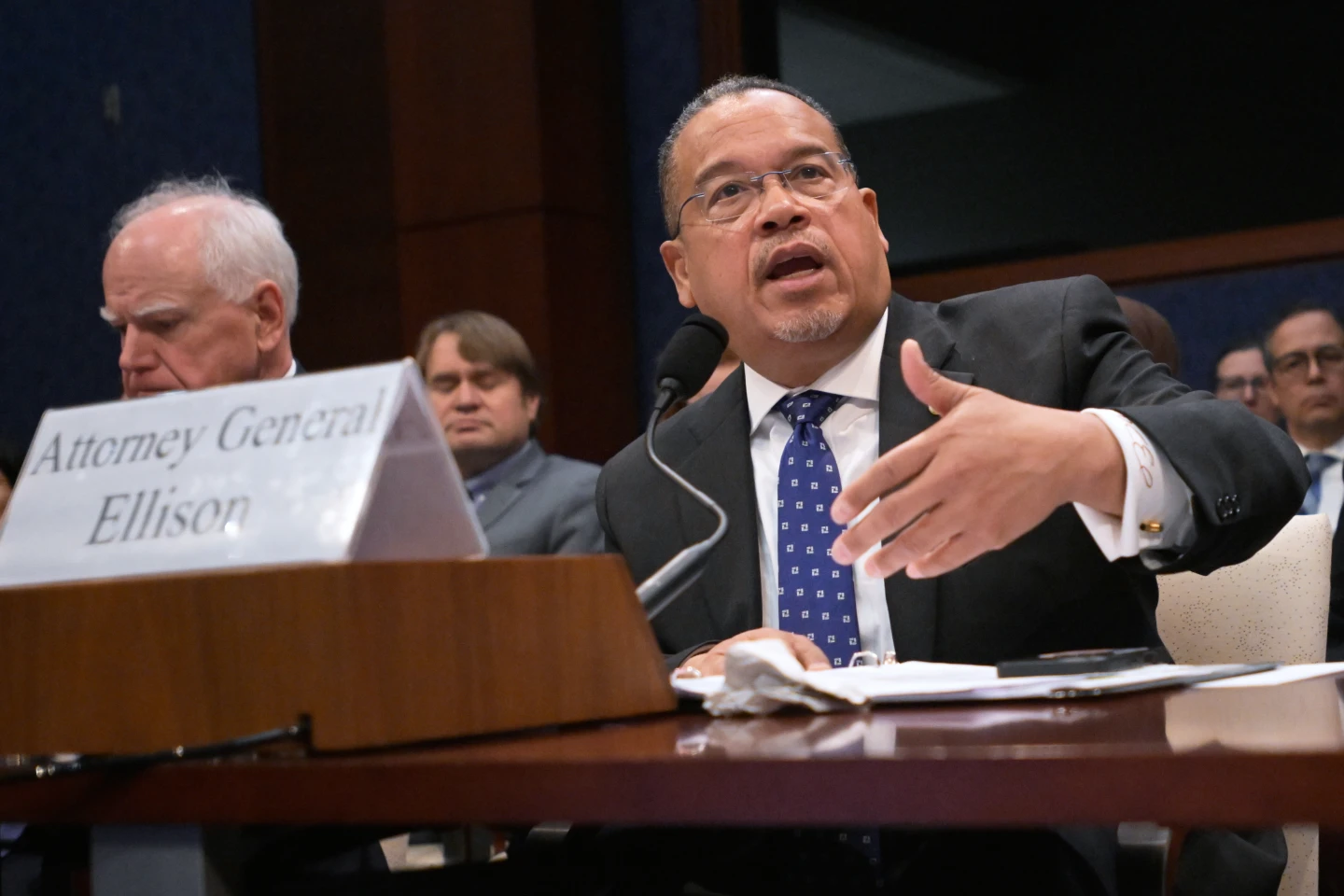
The federal lawsuit named Minnesota Governor Tim Walz and Attorney General Keith Ellison as defendants, claiming the state discriminates against U.S. citizens by allowing undocumented students—who have attended a Minnesota high school for three years—to receive in-state tuition and scholarships, while U.S. citizens who studied outside the state do not benefit from the same provisions.
The Justice Department argued that such state statutes “flagrantly” violate federal law, which prohibits states from offering preferential treatment to immigrants in the U.S. illegally, irrespective of residency requirements.
Menendez pointed out that the Justice Department misunderstood legislation originally enacted under Democratic President Bill Clinton, which grants the same public benefits to all students who have attended Minnesota high schools for at least three years, regardless of their immigration status.
She indicated that the federal government lacked the standing to sue Walz and Ellison as neither could unilaterally change state laws affecting tuition eligibility.
Ellison celebrated the ruling, declaring Thursday's verdict as a victory against efforts to misinterpret federal law and noted that it allows Minnesota to maintain a compassionate educational policy.
The Justice Department had not responded to a request for comments regarding the ruling at the time of publication. This lawsuit in Minnesota is part of a broader series of challenges posed by the DOJ in states like Kentucky and Texas, where similar tuition benefits for undocumented immigrants have been scrutinized.
While Florida has revoked in-state tuition for undocumented students, at least 22 states and the District of Columbia maintain laws or policies that allow such students to access in-state tuition. Notably, some Republican-leaning states, such as Kansas and Nebraska, are among those continuing these advantages, highlighting the complexity of state immigration policies across the U.S.