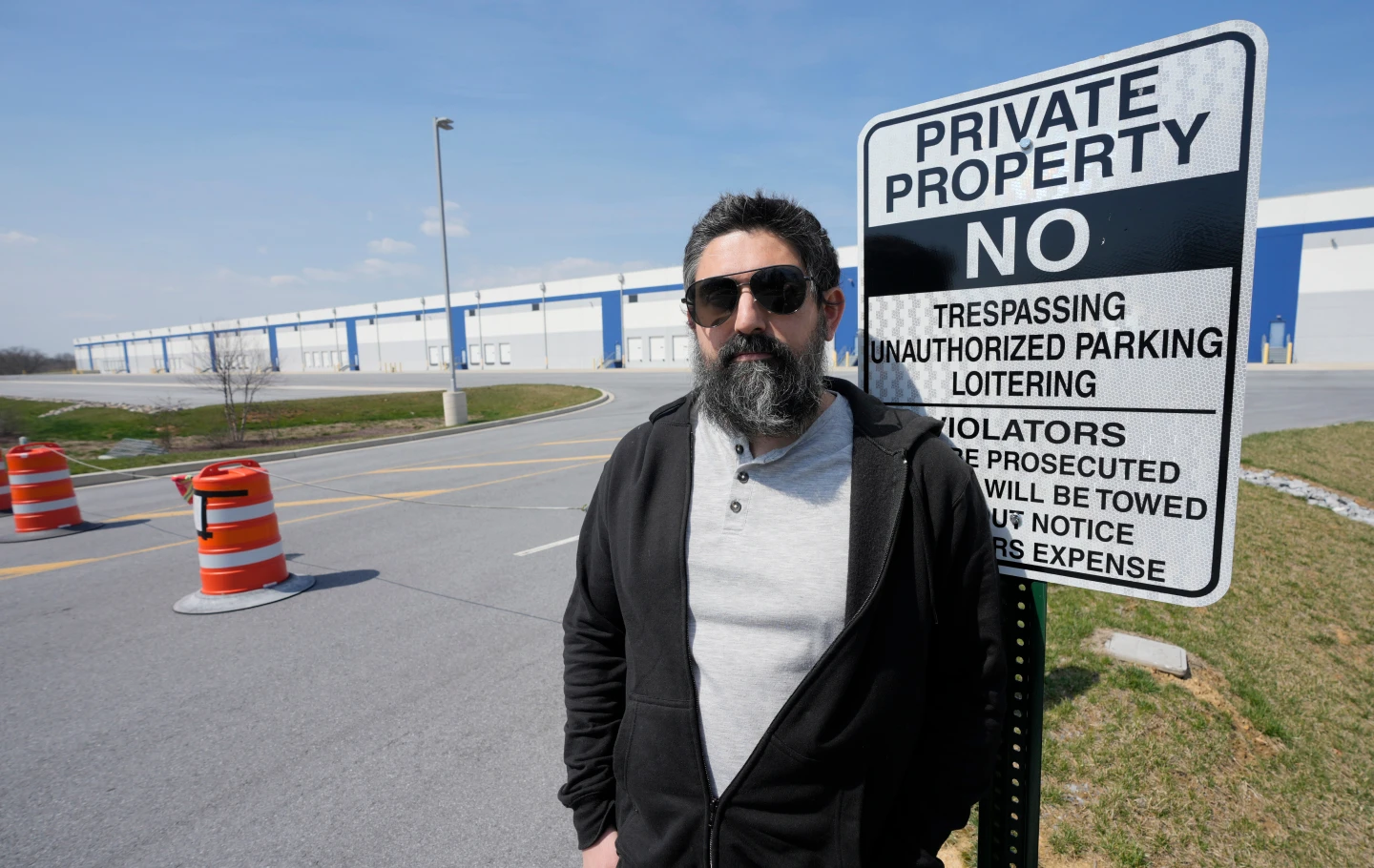
HAGERSTOWN, Md. (AP) — Outside a meeting in Hagerstown, Maryland, where county officials discussed the solid waste budget, tensions were high as protesters shouted, Stop ICE! The atmosphere of dissent surrounding a newly acquired 825,000-square-foot building by the Department of Homeland Security (DHS) illustrates a growing backlash against the federal government's plans to repurpose warehouses into detention facilities for immigrants.
Patrick Dattilio, founder of the Hagerstown Rapid Response, an anti-ICE organization, spoke out against the facility being used for detainees. This is a facility built for packages, not people, he declared.
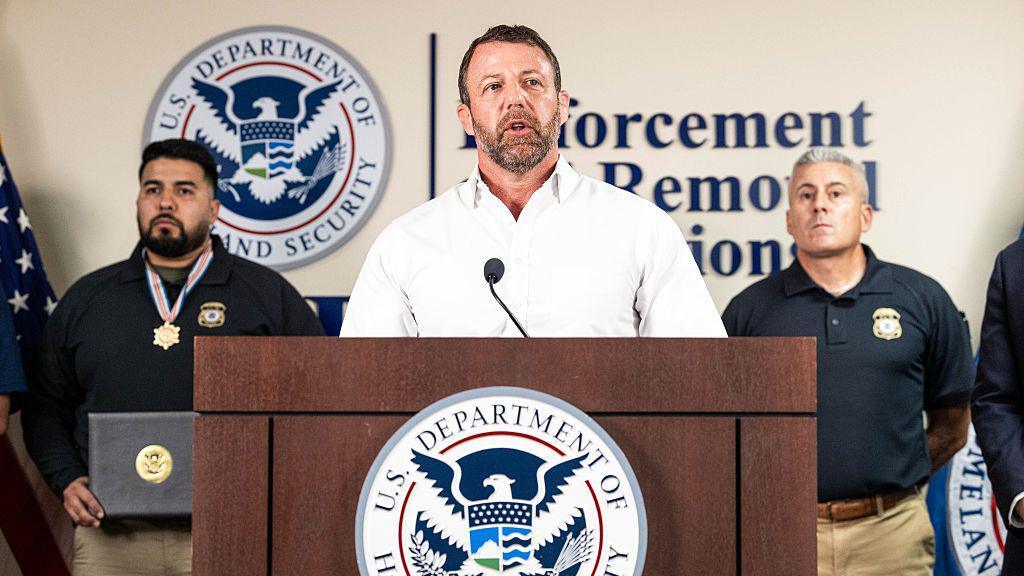
The DHS has invested over $1 billion to transform 11 warehouses across the U.S. into processing centers aimed at detaining tens of thousands of immigrants. The Washington County warehouse is seen as a pivotal location in this campaign, reflecting the administration's aggressive stance under Secretary Markwayne Mullin, who has inherited and is now reviewing the controversial project initiated by his predecessor, Kristi Noem.
Despite the county commission's stated support for DHS and ICE, reaffirmed in a proclamation met with booing and shouting from the public, residents feel disenfranchised. Many argue that they were not informed about the facility’s intended use until it was too late to voice opposition.
As a court battle unfolds over the facility’s future, with a judge halting renovations following a lawsuit led by Maryland’s attorney general, local residents remain vigilant. They see the warehouse not just as an economic opportunity, which it was originally sold as, but as a contentious symbol of the immigration policies that many believe infringe on human rights.
Frustration boiled over during recent meetings, with community members articulated their discontent at not being included in discussions that affect their lives. We have had no voice in this, resident Carroll Sager remarked as she joined protesters outside local government functions out of concern that the federal detention plans would overshadow the community's needs and values.
As debates continue and pressure mounts, the future of the proposed ICE facility remains uncertain, illustrating the challenges faced at the intersection of local governance and federal immigration policy.