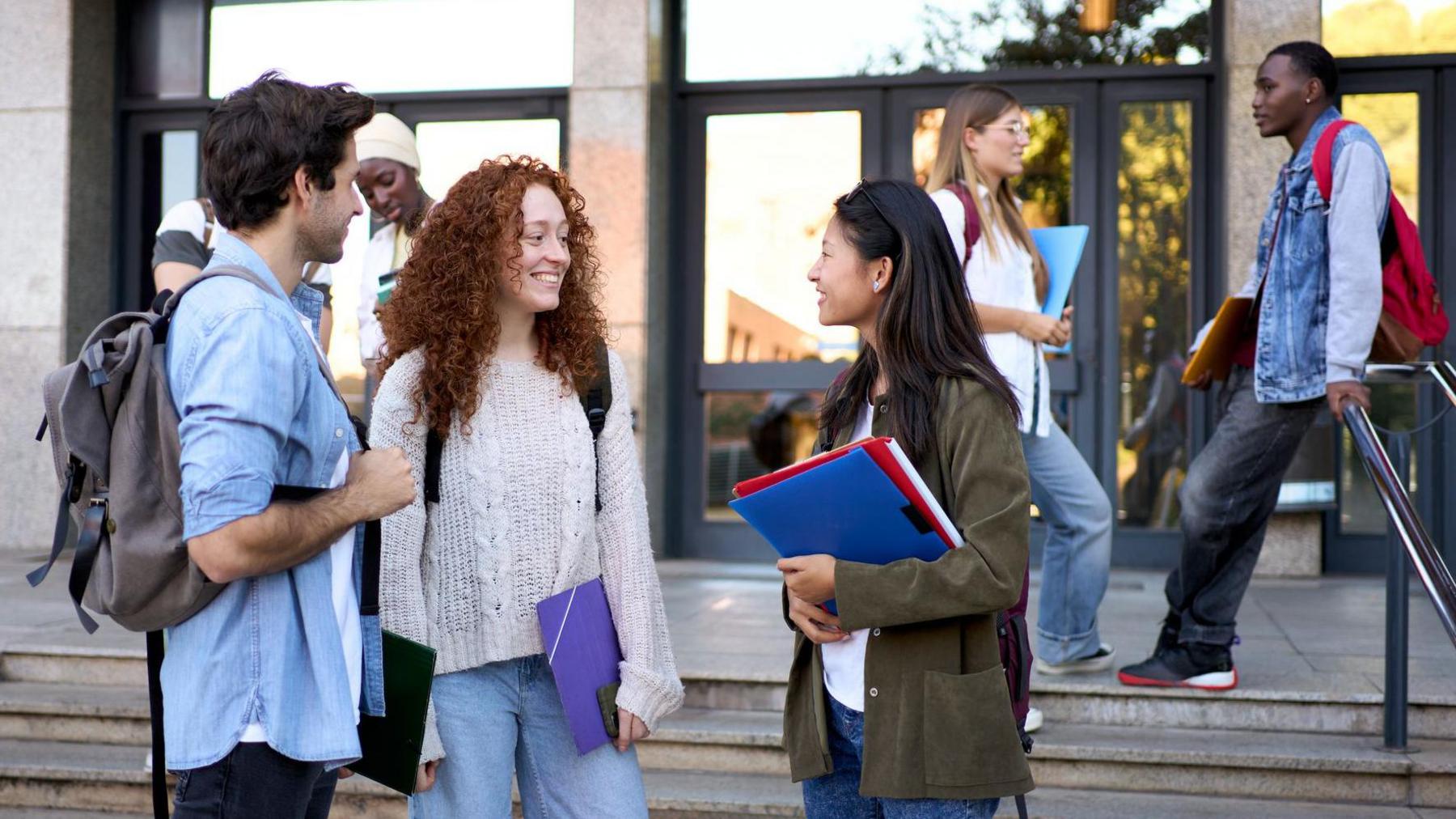
WASHINGTON (AP) — After facing personal tragedies and financial struggles, many students, like Jevona Anderson, find their studies interrupted, leading to a phenomenon known as 'stopouts,' affecting about 38 million working-age adults in the U.S. Despite their intentions to return, many never do, though recent statistics show increasing rates of reenrollment due to support programs.
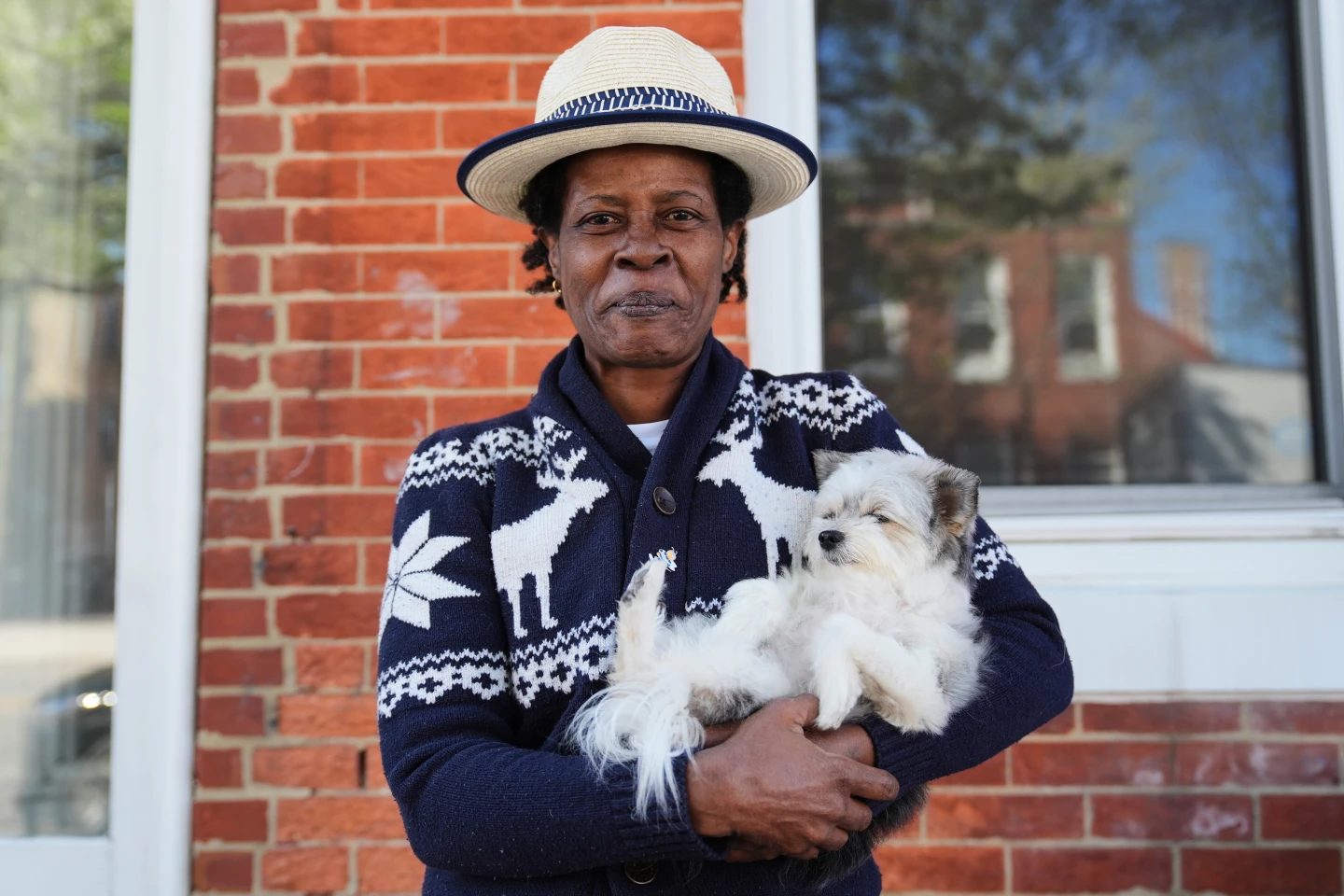
Anderson’s journey began at the University of Baltimore, where she pursued a degree in environmental sustainability. Juggling studying, work, and personal responsibilities became overwhelming after experiencing family losses and subsequent hardships, prompting her to pause her education.
Yet, initiatives aimed at aiding stopouts are gaining traction. State colleges and organizations are stepping up, offering financial assistance and tailored support, resulting in a rise in reenrollments by over 1 million in the 2023-2024 school year. Anderson benefitted from a scholarship that allowed her to resume her studies, signifying a crucial step towards her goal of becoming a teacher.
Understanding the systemic barriers contributing to dropout rates, experts highlight the need for continual engagement with students post-enrollment. Programs like ReUp use data-driven strategies to reach out to potential returnees, ensuring they have the necessary support to complete their degrees.
"Life is unpredictable and a small hurdle can derail plans easily," shares Nina Diggs-Pindell, another student who faced similar challenges. With renewed efforts from colleges, more stories of success and resilience are emerging from the stopout demographic.
As Anderson prepares for her graduation, she reflects on the importance of her degree—not just for personal advancement, but to inspire future generations. The ongoing commitment from educational institutions aims to bridge the gap for stopouts, making higher education more accessible and sustainable.