In brief
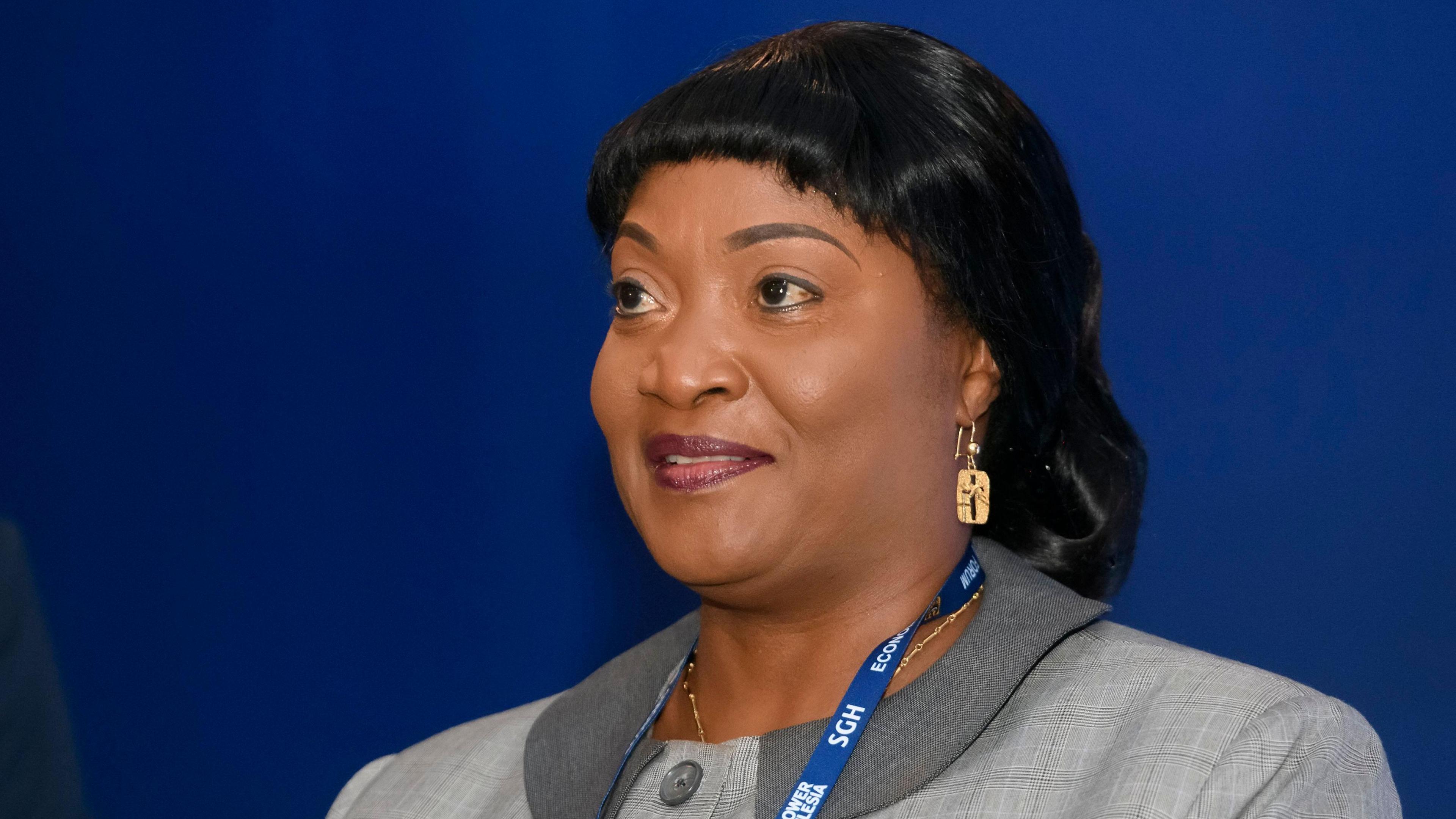
Jewel Howard‑Taylor, who served under President George Weah until 2024, has been charged with drug trafficking, money laundering and associated offences by the Liberian Justice Ministry. She was detained at Roberts International Airport before her departure from the country and remains silent on the allegations. The investigation also names three foreign nationals, two Croatians and one Ukrainian, as part of the same trafficking network. Liberia’s leadership has pledged to clamp down on corruption and stop the country from becoming a drug hub, a concern heightened by increasing cocaine transit from South America to Europe through West Africa.
The Justice Ministry of Liberia announced today that former Vice President Jewel Howard‑Taylor has been arrested and charged with drug trafficking, money laundering and a cross‑section of related offences.
Howard‑Taylor, who served in the Weah administration from 2018 to 2024, was taken to national police headquarters at Roberts International Airport before she was scheduled to board a flight out of the capital, Monrovia. She has yet to make any public statements.
The investigation alleges that Howard‑Taylor illegally imported, sold and transported controlled drugs, and assisted other individuals in the distribution network. The Justice Ministry also named three foreign nationals – two Croatians and one Ukrainian – who are believed to have been part of the same trafficking ring. Police say they are pursuing the foreign participants and are targeting all levels of the network, from organisers to financiers.
In recent months, Liberian authorities conducted a series of large seizures, some of the biggest in the country’s history. The arrests come amid a growing need for West Africa to resist becoming an international transit route for cocaine travelling from South America to Europe.
President Joseph Boakai, who took office after Weah, pledged a rigorous anti‑corruption agenda and explicitly warned that Liberia must not become a “drug hell.” In a statement, Boakai noted that the government was determined to dismantle the drug‑trafficking infrastructure as a priority.
The case has drawn attention from regional and international observers, who see it as a test of Liberia’s commitment to the anti‑corruption drive inherited from the Weah era.