Fort Hood survivor backs firing squad execution, objects to livestream

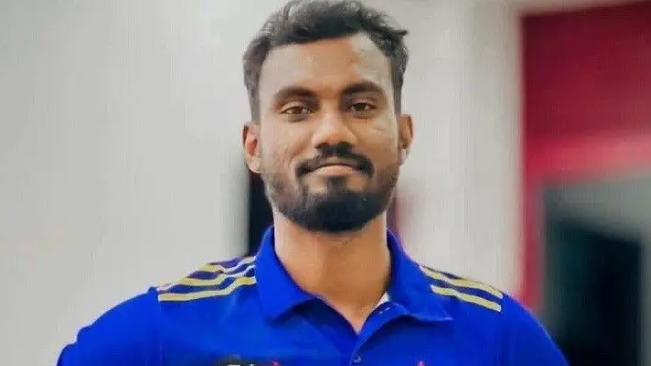
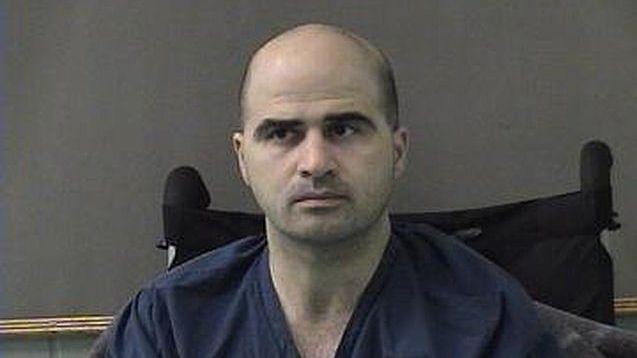
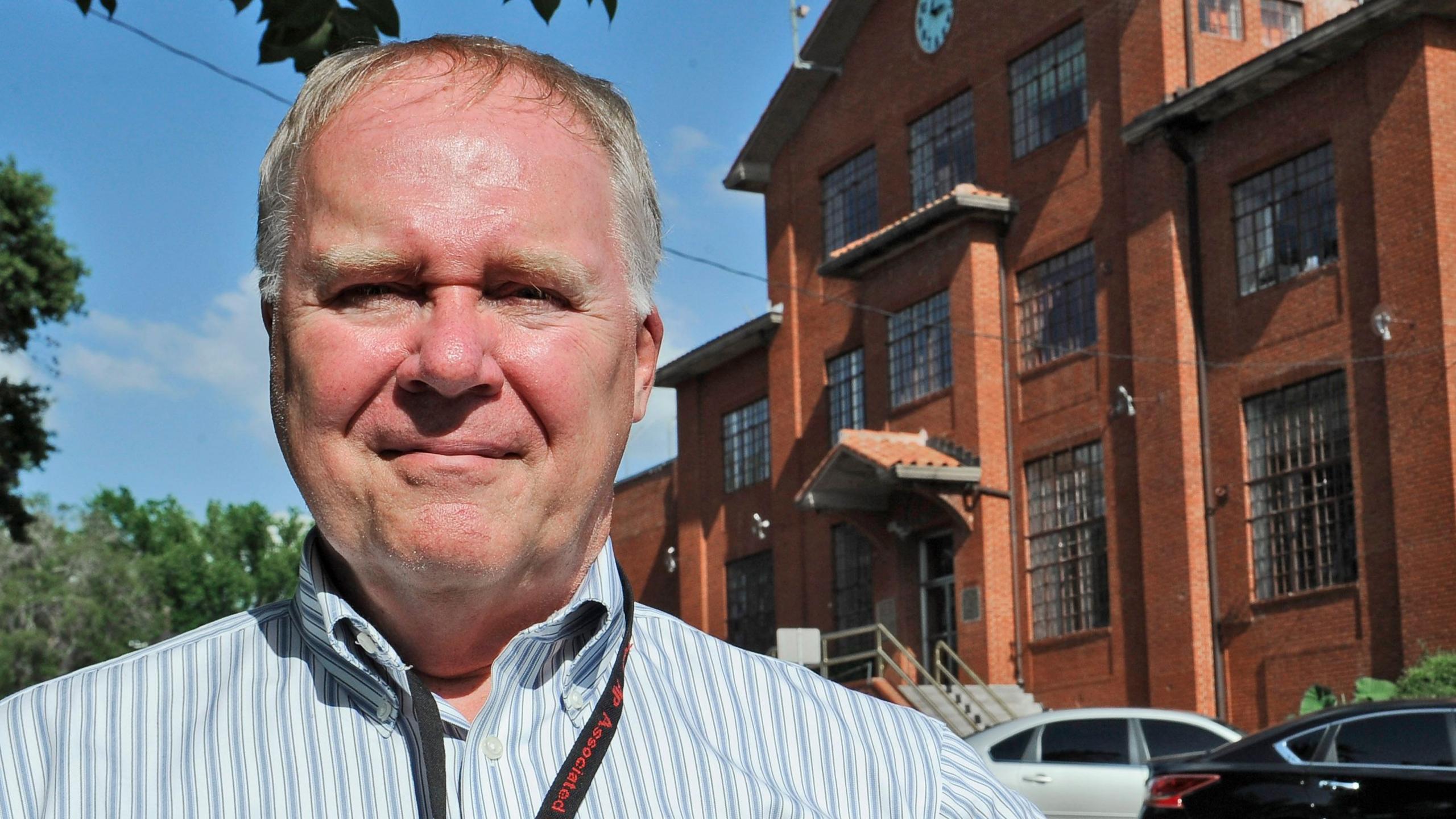
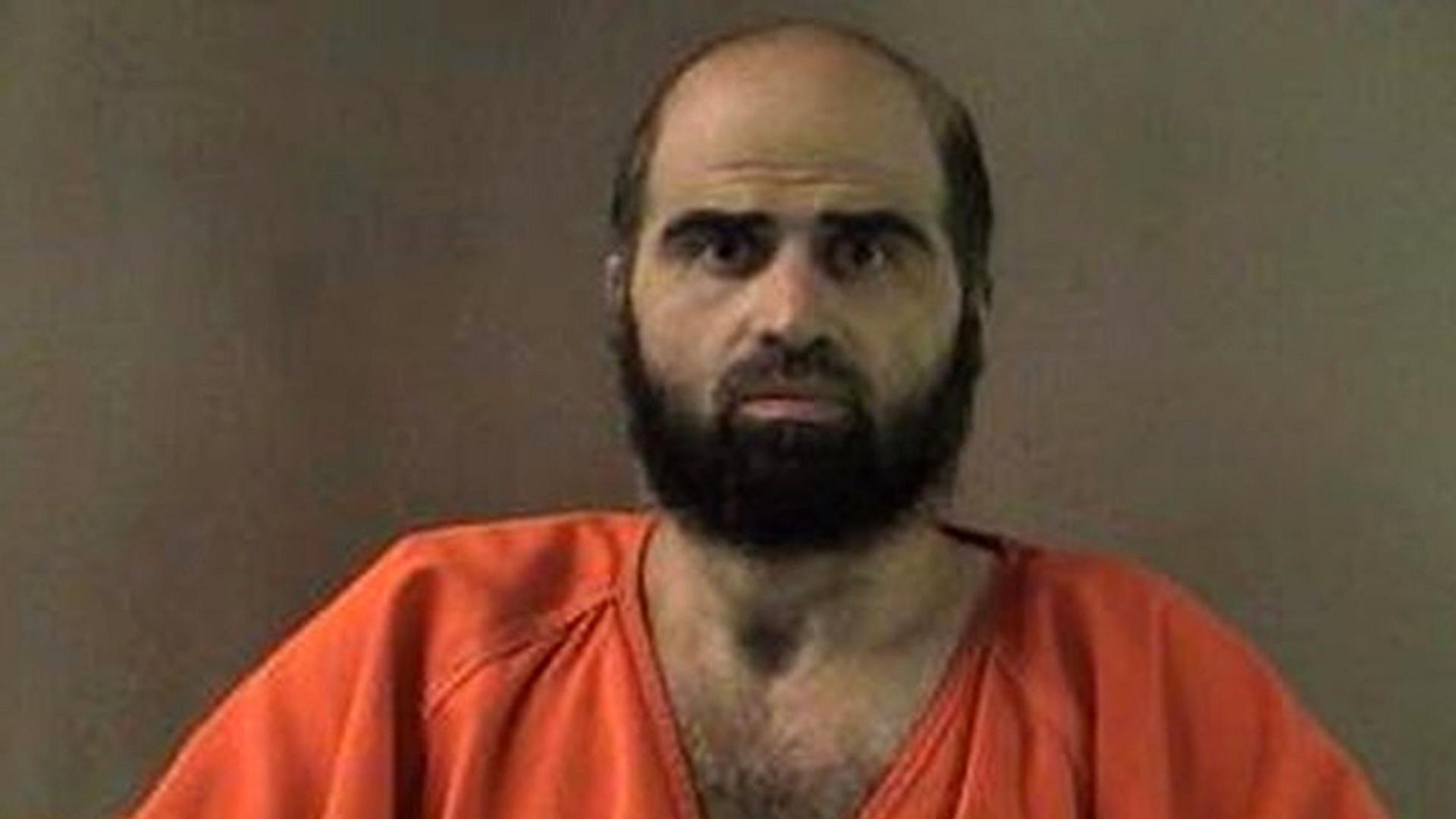
Former Sergeant Alonzo Lunsford, who survived being shot seven times in the 2009 Fort Hood massacre, told the BBC that a firing squad strikes him as a “befitting” punishment for Nidal Hasan, but he questions the idea of a livestreamed execution.
Lunsford said the lethal‑injection route would be a “favor” to the accused, and the death chamber was “doing him a favor.” He stressed that a firing squad, which mirrors the military’s historical practice, was the appropriate method. Yet he is against broadcasting the event as it could be seen for entertainment, jeopardizing family and survivor privacy, and potentially sending a harmful example to younger viewers.
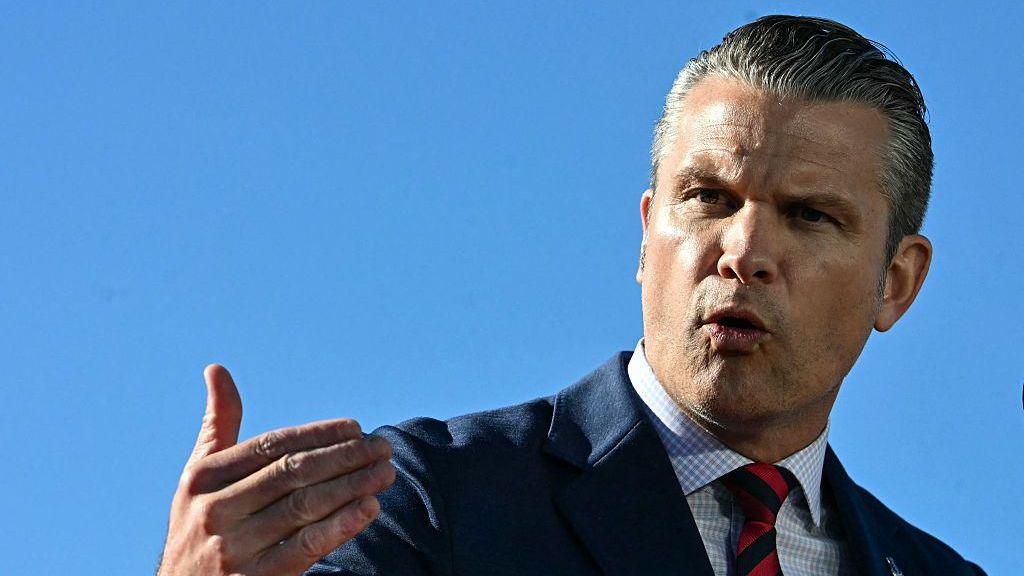
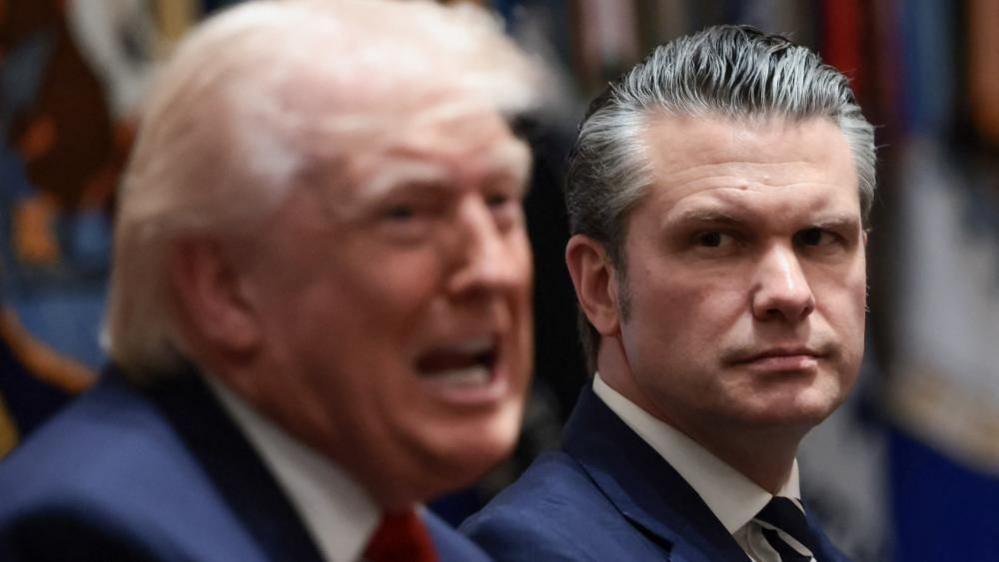
Defense Secretary Pete Hegseth announced the execution could be televised, arguing the public must witness the consequences of such a crime. The Pentagon’s move would mark the first US military execution broadcast in almost a century, but legal experts warned about litigative hurdles that could prevent it.
Lunsford explained that, after the shooting, he “played dead” to evade Hasan and observed the horror from a distance. He recalled a pregnant woman’s last words, “Oh my god, my baby, my baby,” a memory that still haunts him. In a religious context he said he forgives Hasan because “I cannot heal if I don’t forgive him,” citing Christian teachings about penance at death’s end.
Politicians remain divided. Democratic Senator Chris Murphy called the livestream “disgusting,” while Republican Senator Thom Tillis said public executions are a tactic of oppressive dictators and should not happen in America.
The debate highlights a tension in US views on capital punishment: the push for punitive justice and the moral debates around its public spectacle.