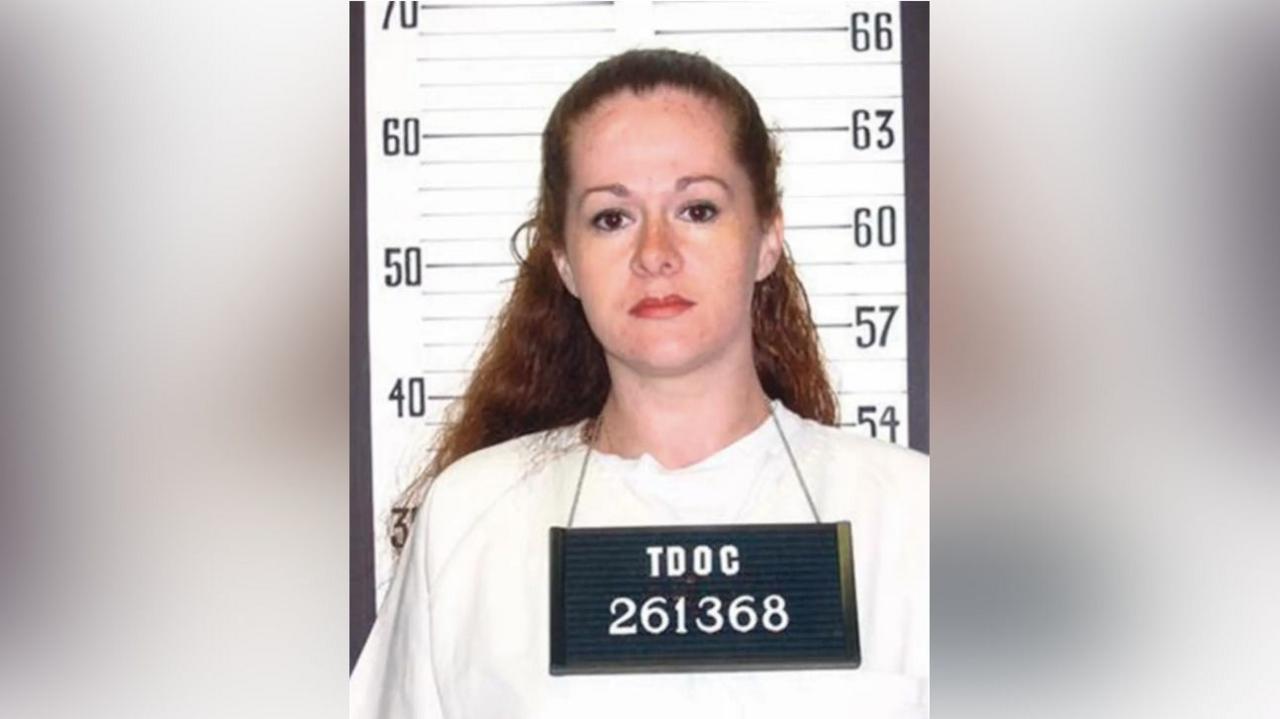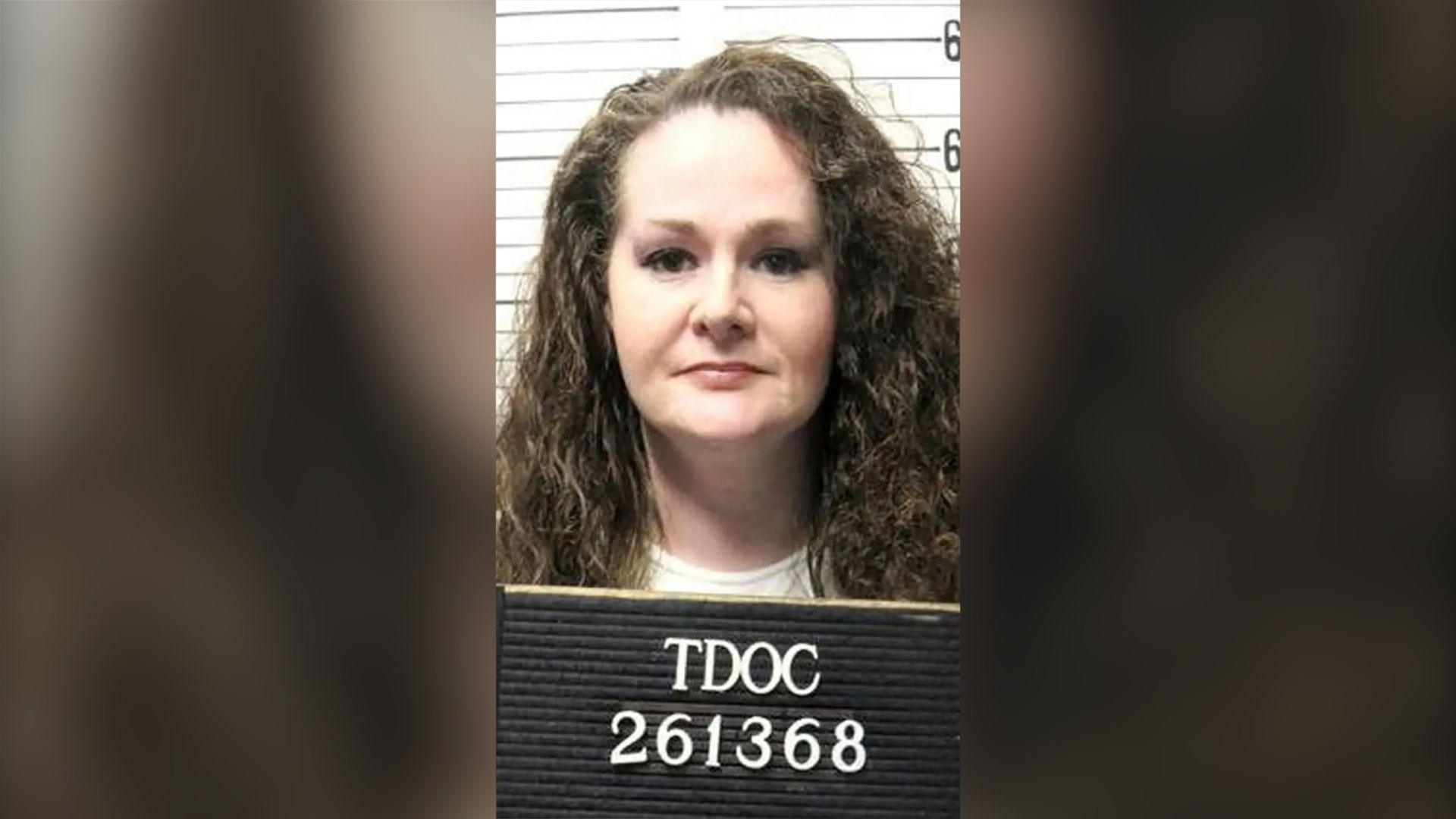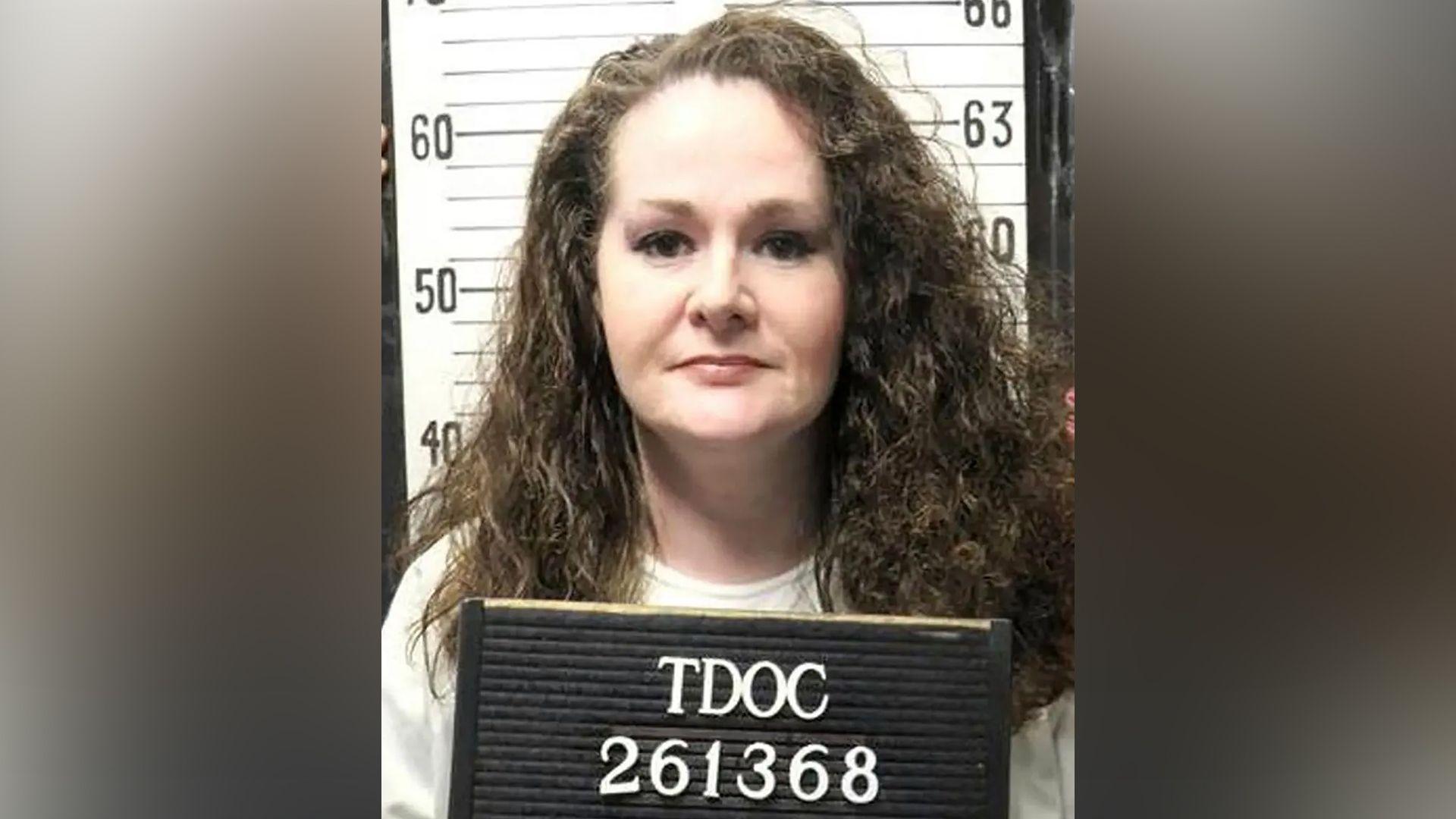
Christa Pike, a 50‑year‑old death‑row inmate in Tennessee, survived two lethal‑injection attempts that left her in critical condition. Her lawyer reports doctors are still clearing pentobarbital from her system and the prognosis remains unclear. The failed execution has prompted calls for a commutation and resulted in the resignation of the state prison chief. The incident has reignited debate over the safety and ethics of capital punishment in America.
The first attempt was scheduled on a Wednesday in Nashville, where the injection did not produce the expected result. Pike was transferred to a hospital on a ventilator, where physicians are working to remove two doses of the drug from her bloodstream.
Police and the prison system have not yet disclosed why the procedure failed. The governor has suspended all executions for the rest of the year, and the head of the Tennessee Department of Corrections has announced he will resign.
Pike’s lawyer, Stephen Ferrell, said he had not seen her in person and that he received updates through her medical power of attorney. He highlighted the possibility of long‑term health complications and questioned her competence to stand for execution.
The case has drawn attention from advocacy groups who argue that the lethal‑injection protocol is fraught with risk, especially for inmates with medical conditions such as thrombocytosis, which could cause severe pain. They have called for a review of the method and a potential shift toward alternative sentencing.
For the broader public, the episode underscores the uncertainties surrounding the death penalty in the United States and raises ethical concerns about how the justice system carries out capital punishment. The debate continues as lawmakers, the judiciary, and civil society evaluate the best path forward.