Background
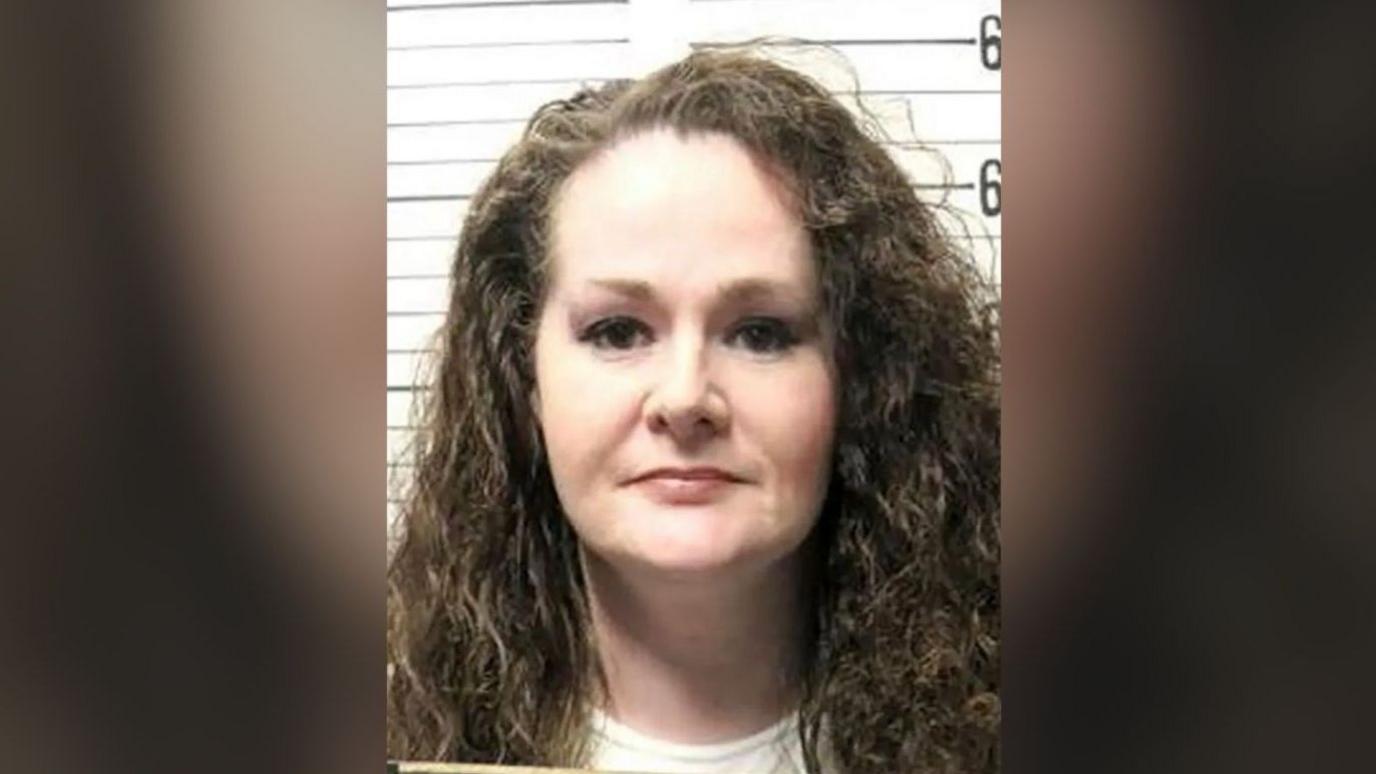
The United States has carried out more than 130 executions since the 1980s, but the last federal execution was in 2003. In Texas, lethal injection has been the sole method of execution for decades. However, the state’s approach has recently faced scrutiny after the botched execution of former inmate Christa Pike—her needles misdirected during IV insertion, causing her to experience a prolonged, painful death. Pike’s case drew nationwide criticism and highlighted concerns over the drug supply used for lethal injections.
The Execution
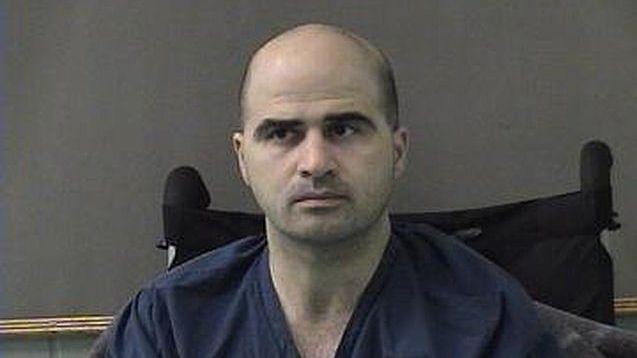
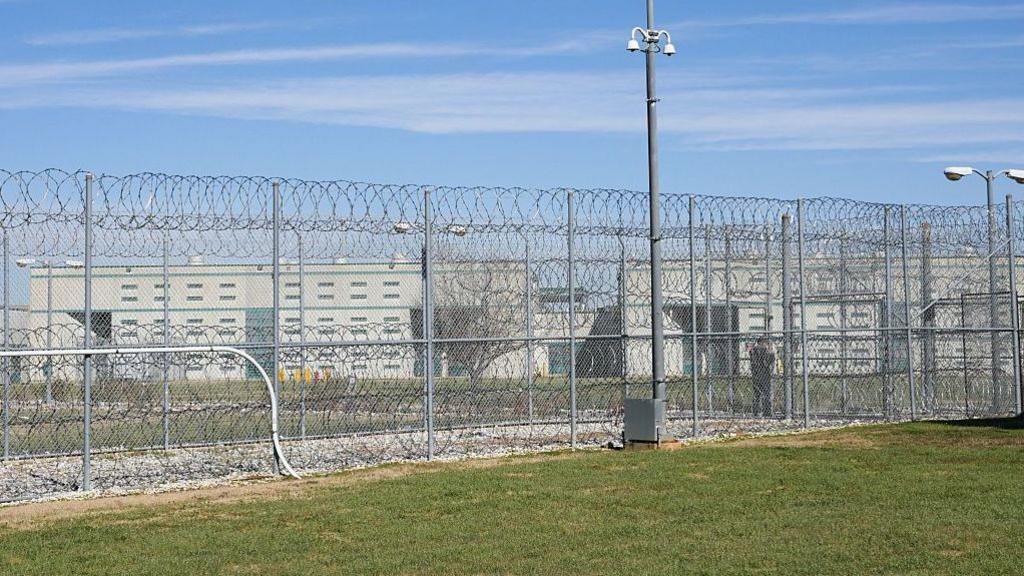
On Wednesday night, 46‑year‑old Jamaal Howard was executed in the Allan B. Polunsky Unit in Huntsville, Texas. Howard had been convicted of the 2000 murder of convenience store clerk Vickie Swartout during a robbery. He received an injection of pentobarbital— the same drug used in the Pike attempt— and died at 8:03 p.m. local time. The execution proceeded after a district judge denied Howard’s stay‑request and following the U.S. Supreme Court’s refusal to intervene.
Legal Challenges
Howard’s attorneys argued that using pentobarbital posed a risk of prolonged suffering, citing Pike’s experience as evidence. They also raised concerns that Texas’s supply of the drug had degraded, potentially compromising the execution’s humane standards. The court found the arguments unconvincing, citing procedural precedent and affirming Texas’s right to proceed. The U.S. Supreme Court’s late‑night denial of Howard’s appeal effectively cleared the way for the execution.
Reactions
The death raised polarizing responses. Supporters of the death penalty cited Howard’s crime severity and Washington’s commitment to law and order. Critics, including several human‑rights organizations, condemned the execution as a cruel and inhumane continuation of a flawed system. International observers echoed concerns: the United Nations and European Union have repeatedly called for a global moratorium on the death penalty, warning that such practices jeopardise human dignity.
Broader Implications
Howard’s execution after Pike’s failed attempt illustrates a broader crisis: the limited availability of approved lethal‑injection drugs and the pressure on states to develop alternative execution protocols. Some states have begun exploring either drug mixtures or non‑injection methods, but no consensus exists. The incident also fuels the debate over whether the U.S. should maintain capital punishment or adopt a nationwide moratorium. As legal and public scrutiny intensifies, the future of Texas’s death‑penalty policy remains in flux, reflecting a nation divided over punishment ethics and procedural safeguards.