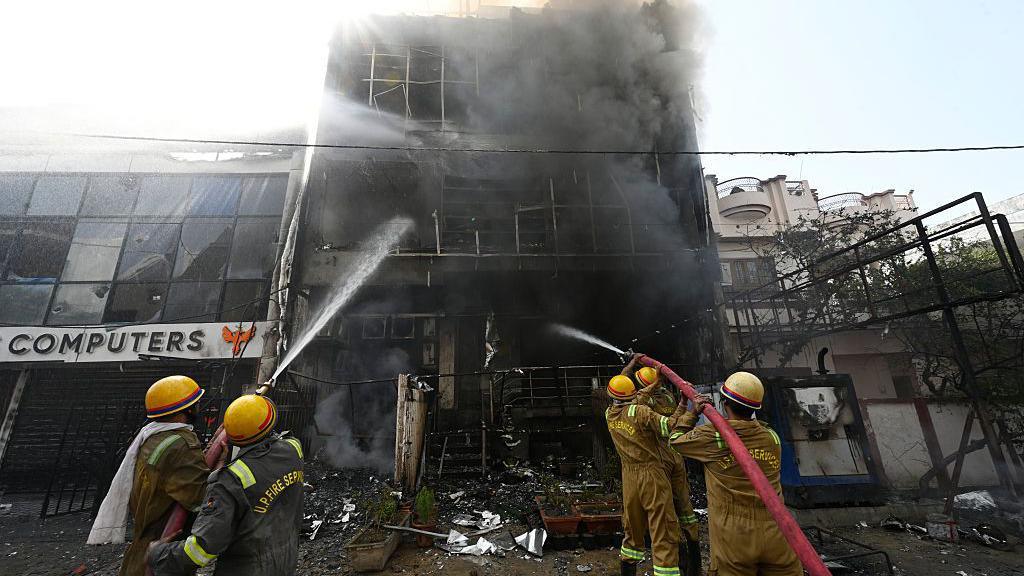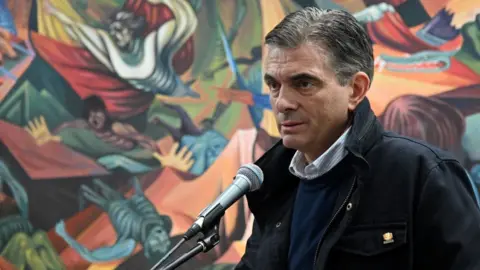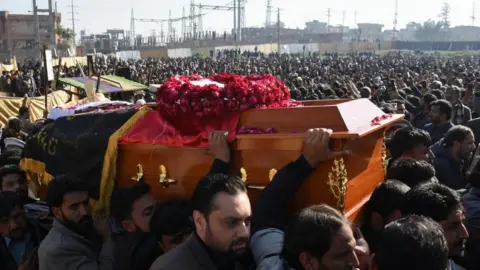
Four people have been arrested on suspicion of facilitating a suicide bombing that killed more than 30 people on Friday, Pakistan's interior minister, Mohsin Naqvi, reported. Among those detained is an Afghan national who is alleged to be the mastermind behind the attack.
The bombing targeted Friday prayers at the Shia mosque in the Tarlai area, resulting in over 160 injuries and marking the deadliest attack in the capital for over a decade. Authorities heightened security across the city as thousands mourned the victims, with police checkpoints and military presence increased.
The Islamic State has claimed responsibility for the attack, and Naqvi accused India of supposedly funding those behind the incident, a charge the Indian Foreign Ministry has labeled as baseless.
Moreover, the Afghan Taliban government expressed disapproval of the accusations against them, calling the allegations by Pakistani Defence Minister Khawaja Asif regrettable and asserting that no credible evidence was presented.
In response to the attack, Naqvi announced plans to strengthen security in Islamabad, including recruiting additional police personnel and enhancing surveillance systems.
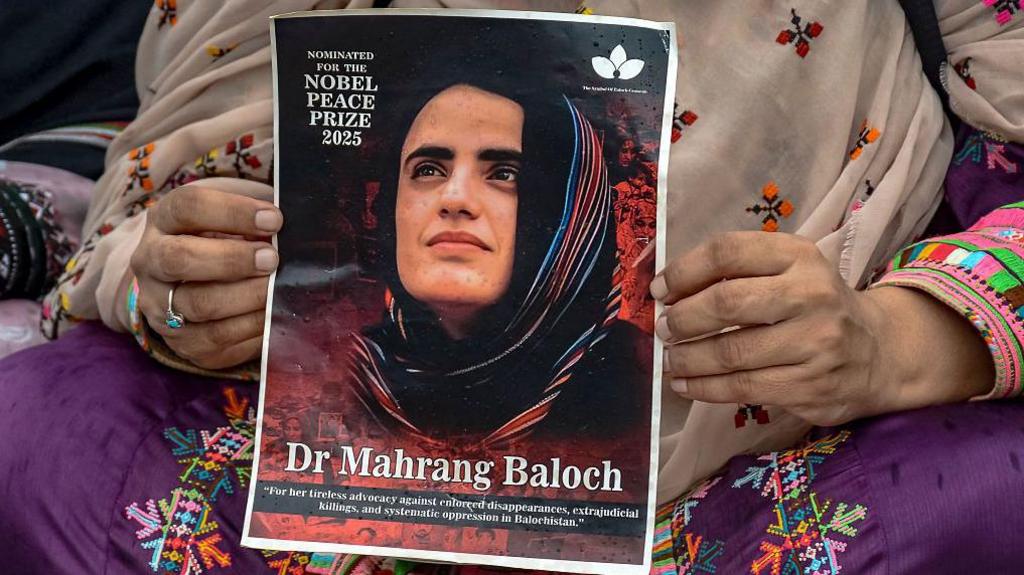
The attack in Islamabad follows a week of intense violence in the neighboring province of Balochistan, where coordinated assaults resulted in 58 civilian deaths and were attributed to the Balochistan Liberation Army (BLA). In retaliation, the Pakistani military claimed to have killed over 200 militants in the area.
As the country grapples with this violence, Prime Minister Shehbaz Sharif expressed his deep condolences, characterizing the targeting of civilians as a crime against humanity.