In a televised statement, France’s Education Minister Edouard Geffray pledged to recruit 3,000 supply teachers in the coming days, a move seen as the first real concession to a movement that has shaken the nation for a month.
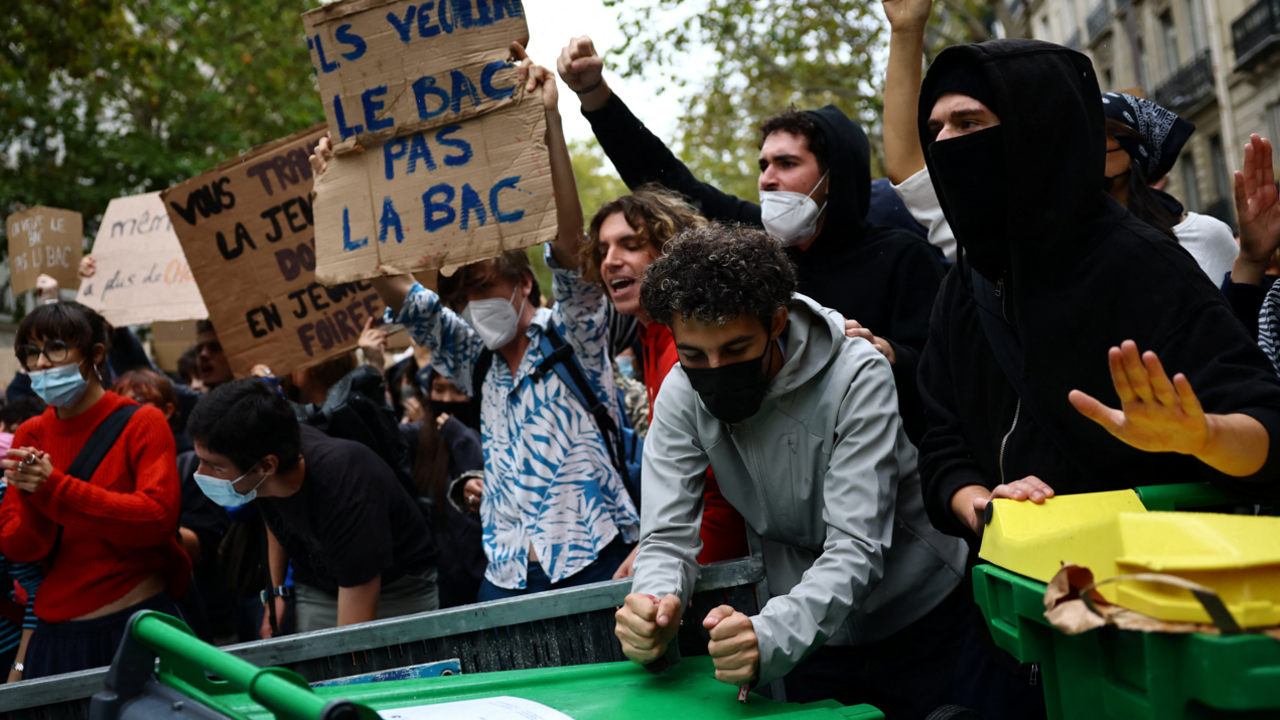
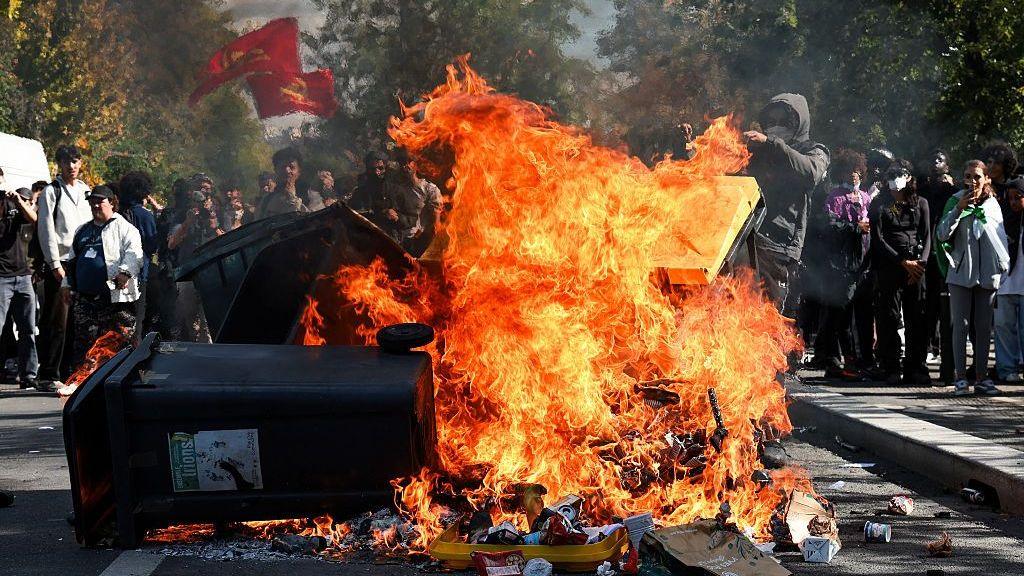
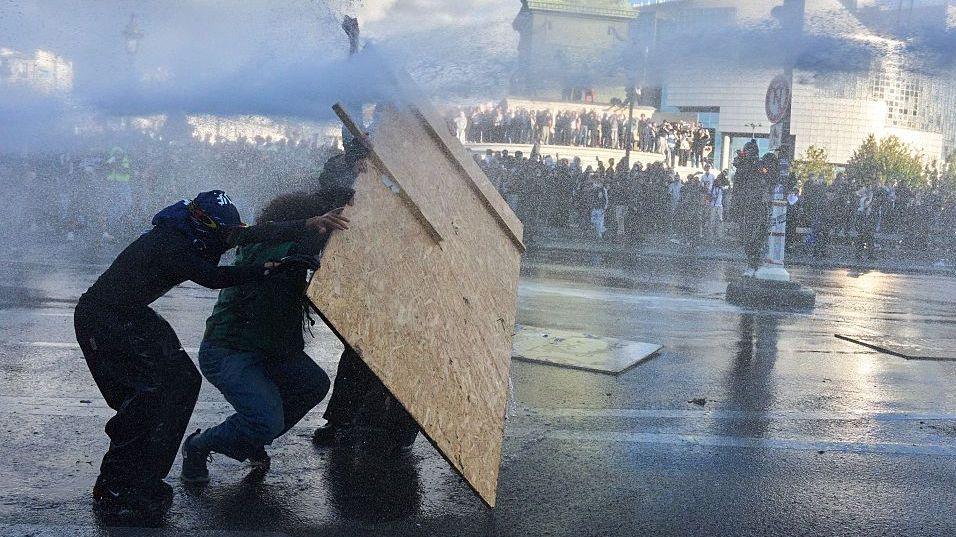
Since the protests began, authorities have arrested 6,877 people, 86 % of whom were under 18, as students demanded more resources for secondary education. Thursday’s demonstrations attracted 71,000 participants, with 24,000 gathering at the Bastille in Paris.
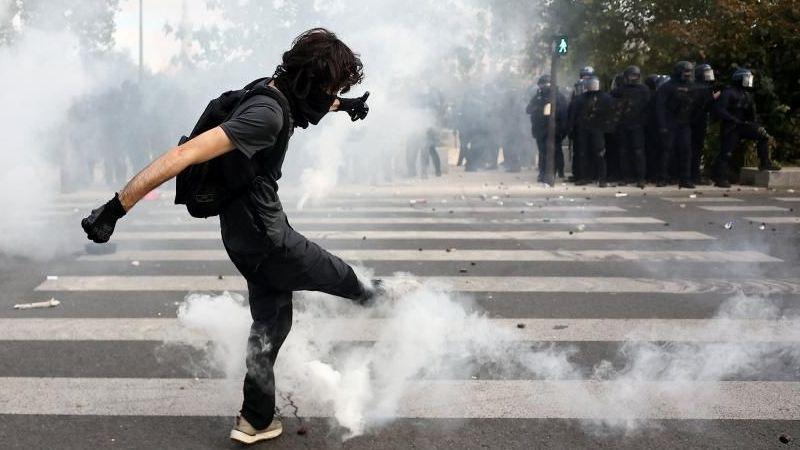
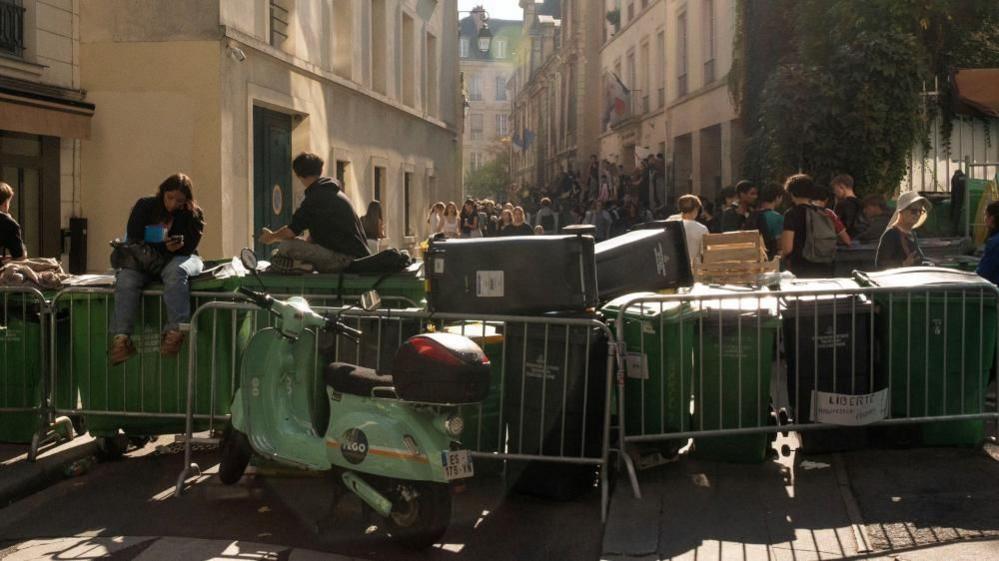
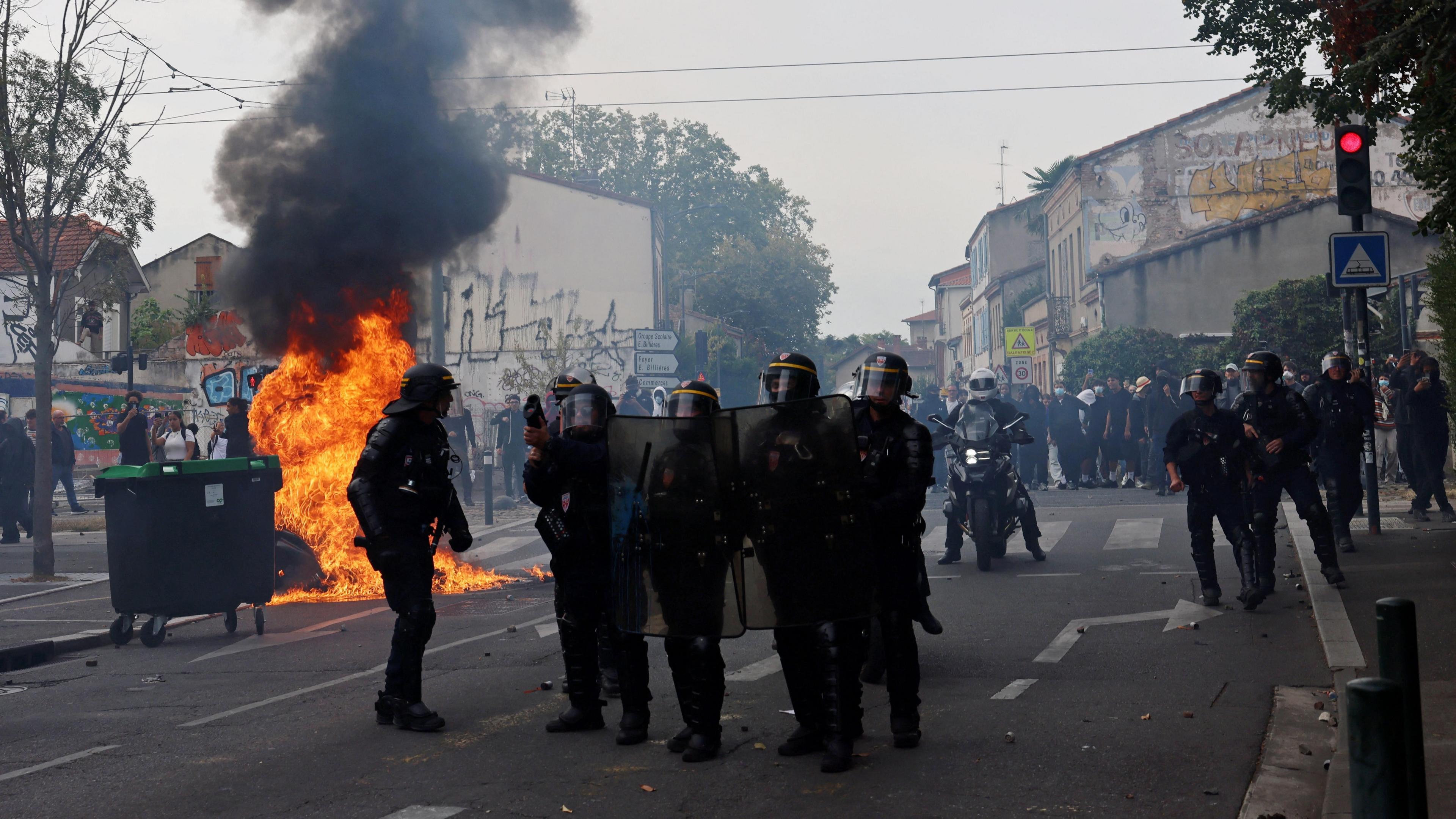
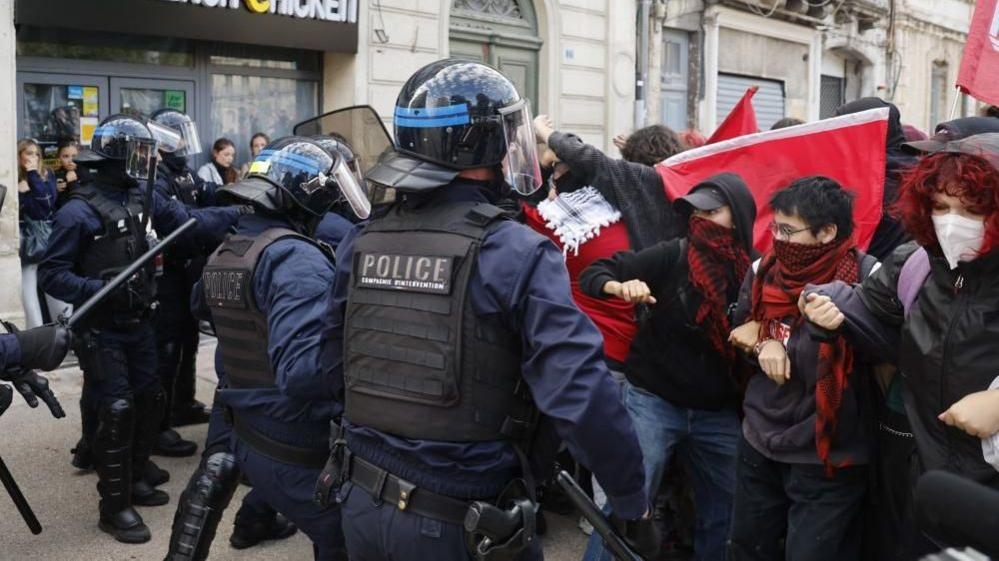
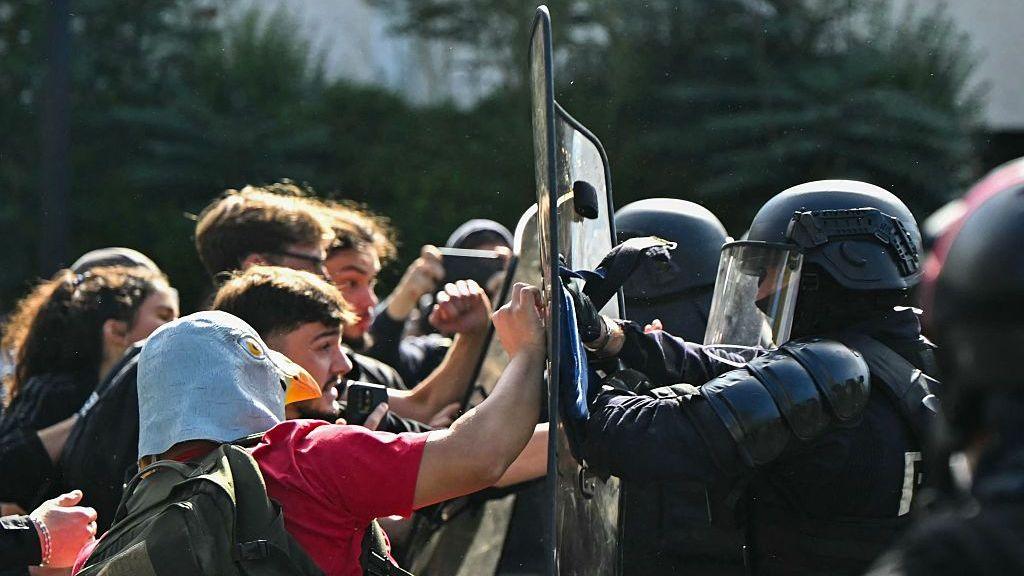
Police, armed with tear gas, intervened after students attacked officers with paving stones and homemade fireworks. Several schools were damaged or closed; in Bordeaux a lycée was ransacked, while in Marseille a deputy head was beaten.
The government’s plan will deploy teachers to approximately 500 lycées deemed most in need, many of which are in high‑immigration suburbs. It also includes additional funding for teachers willing to work overtime to cover gaps.
Student leaders, however, remain cautious. Nathanaël Combary of Renouveau Lycéen said he hoped for concrete results, while Sabrine Kharbach of the Union Etudiante warned that protests would continue until a €10 bn package was announced. Jean‑Luc Mélenchon, a left‑wing presidential candidate, praised the demonstrations as a “rebirth of the Bastille.”
On the other side of the political spectrum, a National Rally spokesman condemned the concessions, arguing that violence buys rewards and legitimises unrest.
These events unfold against a backdrop of rising fuel prices, an uneasy farming sector, and an impending presidential campaign that could see both hard‑right and hard‑left parties rallying support. The government hopes that the upcoming half‑term holidays and the onset of winter weather will dampen further clashes.