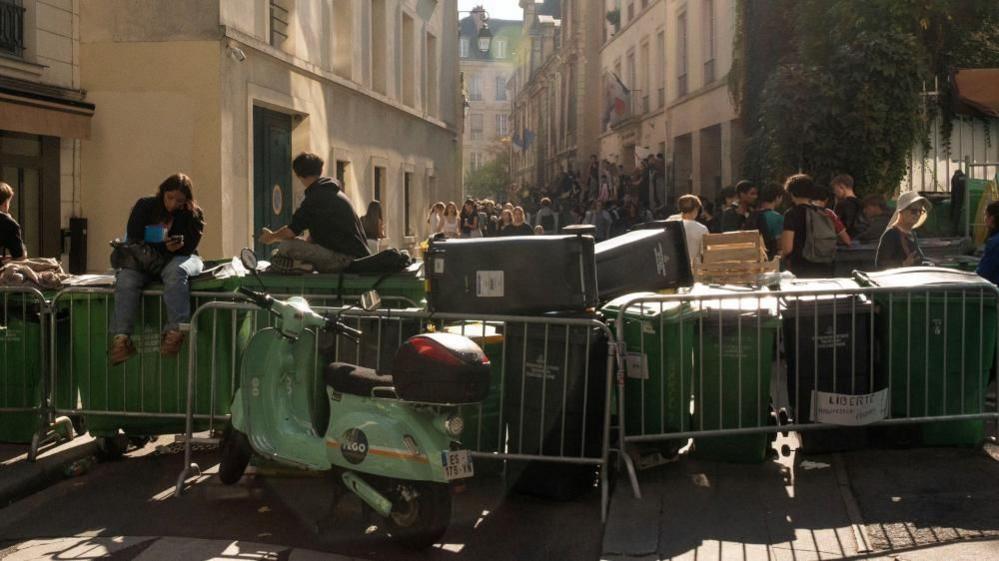
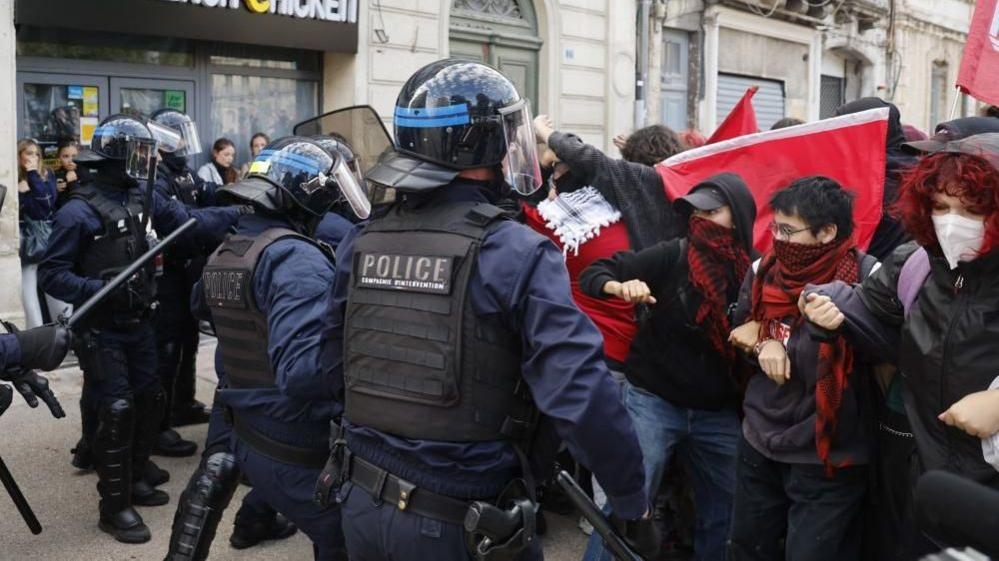
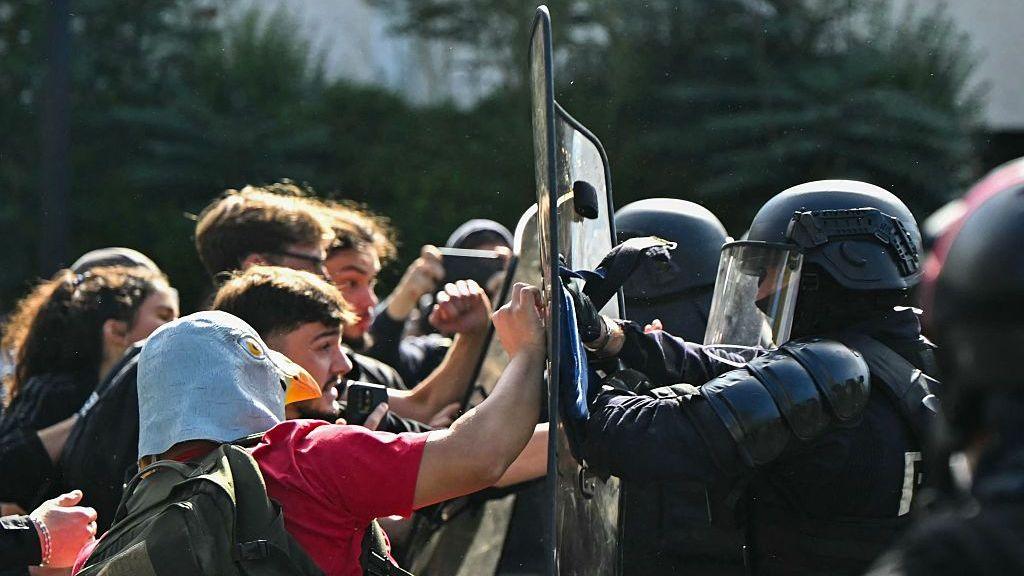
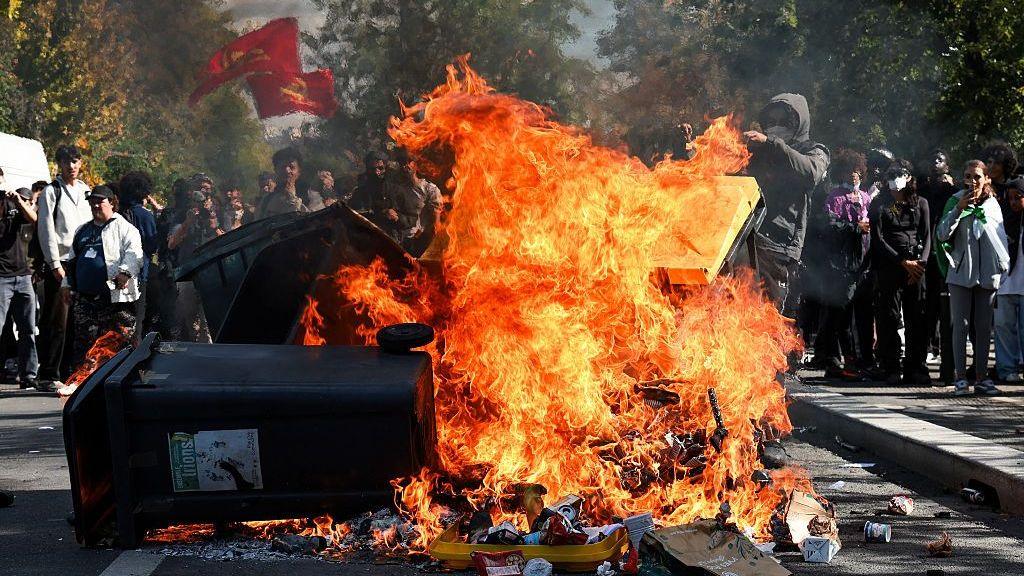
Hundreds of thousands of French students, parents, university peers and union leaders have marched across the country, demanding better resources and less police repression.
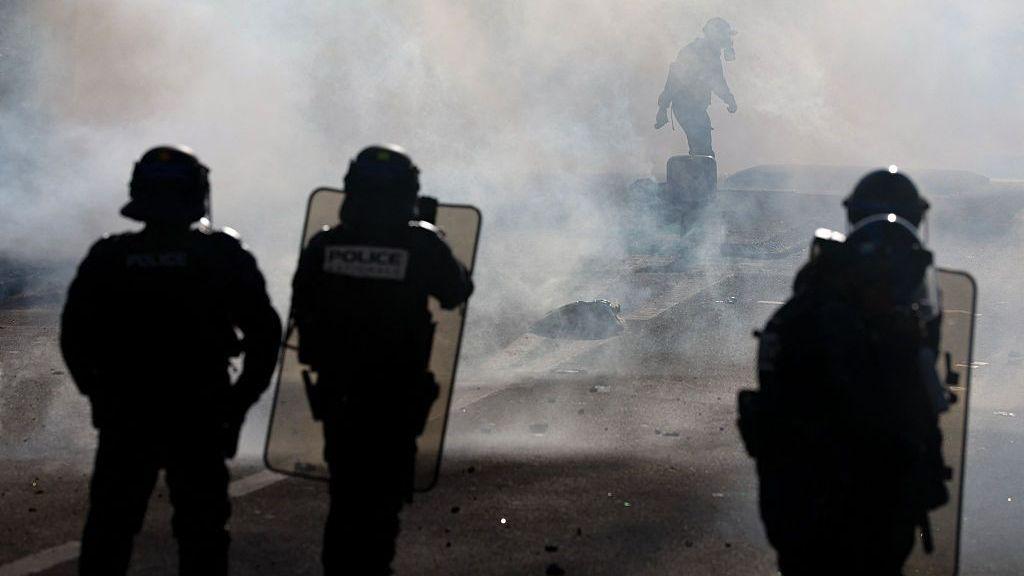
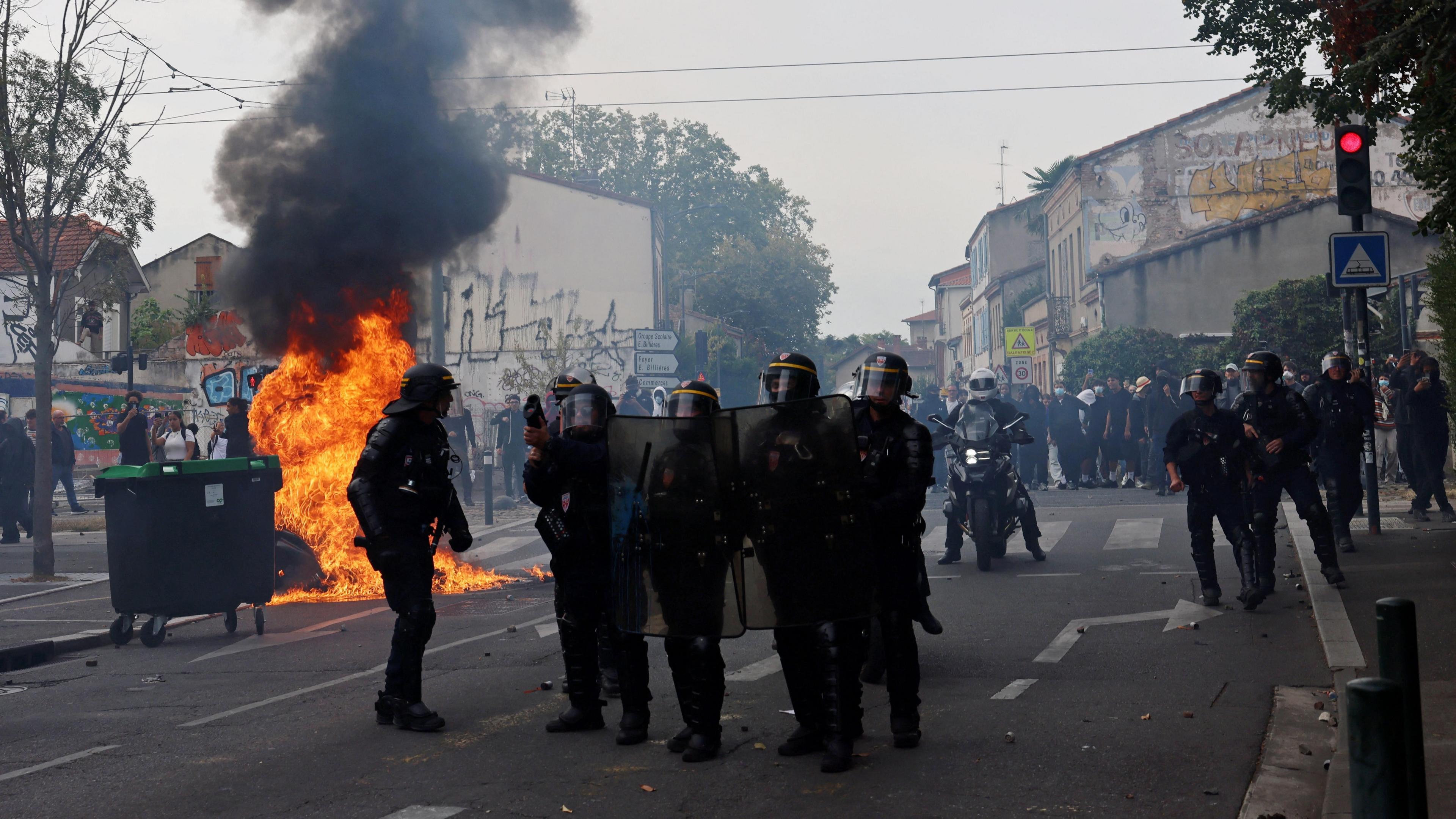
In Paris and Marseille police deployed tear gas, while water cannon were used in Rennes; the violence led to 215 students and 85 staff injured, and 715 police officers wounded.
Students complain their schools are overcrowded and buildings are in disrepair, and they see the protests as a necessary step to press for reform. Teachers’ unions and parents, some of them former educators, join the protestors, breaking age barriers and stressing that the education crisis cuts across generations.
Government officials, including Prime Minister Sébastien Lecornu, accuse the radical‑left France Unbowed (LFI) party of seeking to sow chaos ahead of the presidential election. President Emmanuel Macron, whose second term is nearing its end, faces pressure from both the left and hard‑right National Rally to address the students’ demands.
Despite statements from Minister Édouard Geffray calling for dialogue, students feel that institutional responses are inadequate and plan to continue demonstrations. Police investigations are underway after incidents of tear‑gas grenades striking students, some resulting in serious injury.
With more than 250,000 demonstrators reported on one day, the French education system’s shortcomings and the government's response are being scrutinised on a national scale, bringing new questions about civil liberties, law enforcement tactics, and the future of youth education in France.