In brief
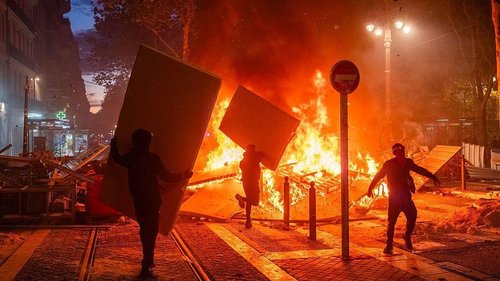
Flames have engulfed vast forested areas in southern France as temperatures climb into the 40s Celsius range. To slow the spread, the French military and civil aviation companies deployed air tanker aircraft that released millions of liters of water on the hot spots. The intervention comes after local fire services reported over 300 fires and 1,200 hectares threatened. Experts say the escalation signals growing climate instability and the need for stronger cross‑border cooperation. The government is also investing in new fire‑fighting drones and carbon‑capture projects to mitigate future risks.
In the last week, a series of blazes broke out across southern France, sweeping through the pine forests of the Massif Central and threatening historic towns. Reports indicate that more than 300 individual fires have been identified, with a staggering 1,200 hectares already on fire.
In response, the French Ministry of the Interior has called upon both military and civilian air tanker aircraft to deliver water and firefighting foam directly onto the stacks of heat. Each bird of prey now flies low over the affected areas, dropping droves of grey fluid while ground crews battle to contain the flames.
Weather services forecast temperatures to remain high in the coming days, reaching up to 43°C (109°F) in parts of Provence. Heatwaves, amplified by missing snowfall earlier this year, have made forests drier and more susceptible to rapid ignition.
Environmental scientists warning of longer fire seasons say that events like this highlight the urgent need for improved cross‑border firefighting infrastructure. French officials have already called for an EU‑wide plan to allocate additional budgets for aerial firefighting stations and to advance research into more efficient foam agents.
Local residents have urged caution, with authorities warning of possible evacuations if the hotspots spread into populated villages. While the air tactic has proven effective in reducing the front line speeds, experts warn it can only buy time; comprehensive forest management and prompt community preparedness remain essential to long‑term resilience.