In brief
Belgium’s Prince Laurent has legally recognised 26‑year‑old former car salesman Clément Vandenkerckhove as his son, a move that turns a private discovery into a public royal title. The new prince will not receive a royal allowance, will not be in the succession line, and will not attend public duties. The story underlines Belgium’s liberal approach to paternity rights, echoing past scandals involving King Albert II and a paternity dispute with artist Delphine Boël. It also highlights how modern monarchies engage with complex family histories and the evolving nature of royal representation.
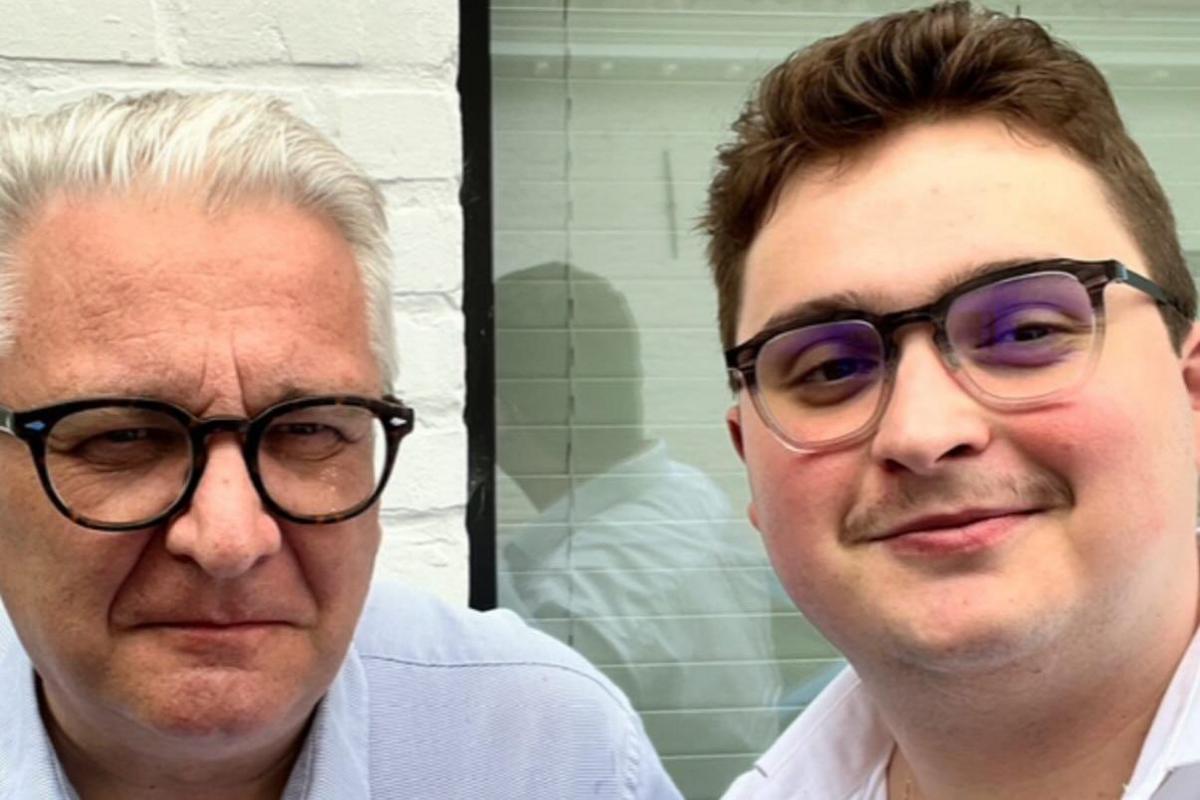
Belgium’s Prince Laurent has officially recognised 26‑year‑old former car salesman Clément Vandenkerckhove as his son and heir, a decision that has made waves both in Brussels and across Europe.
Vandenkerckhove, the product of an earlier relationship between the royal family and Belgian singer Wendy Van Wanten (real name Iris Vandenkerckhove), quietly joined Prince Laurent’s household during a town‑hall ceremony six months ago. The public announcement is only now surfacing, and the details remain private.
Though bestowed with the princely title, the new member of the royal family will not receive a royal allowance, will not be listed in Belgium’s line of succession, and is not expected to partake in public royal duties.
In recent interviews, Vandenkerckhove expressed uncertainty about adopting Prince Laurent’s family name. He said, “I might want to do that, but I am proud of the name Vandenkerckhove. If I were to sacrifice that family name, it would be a betrayal of everything my mother has done for me.”
The story is framed by Belgium’s distinctive legal approach to paternity. In 2013, a change in the law meant that only certain royal members are eligible for public allowances, a policy that includes King Philippe, King Albert II (former), Prince Laurent and Princess Astrid.
Vandenkerckhove’s father had an affair with Wendy Van Wanten before marrying Princess Claire in 2003. In 2013, an unexpected meeting at a shopping centre led to a personal connection with Prince Laurent. After a series of phone calls, the prince proposed a DNA test, which revealed a 99.5% match, confirming paternity.
The king’s earlier paternity dispute also shaped Belgian monarchy history. King Albert II, then-ruling monarch, admitted to fathering a daughter during an affair, later recognising her as his own. Delphine Boël, who had a legal battle to secure her right to the title of princess, now holds the title of Princess de Saxe‑Coburg.
The case illustrates how modern monarchies navigate complex lineage issues while maintaining public trust. Belgium’s monarchy stands at a crossroads of tradition and contemporary values, as it confronts new realities of legality, identity and the definition of royal family. The transition of a car salesman into the realm of royalty may already feel surreal, but it demonstrates the evolving nature of monarchy in a democratic society.