In brief
The death of Amina Abu al‑Kas highlights a system where patients awaiting medical evacuation are left in pain and fear. Her son Saber waited two weeks after her passing for a call that finally confirmed her documents were ready, a delay that is emblematic of Gaza’s broader crisis. Since the cease‑fire, nearly 300 Palestinians have died while awaiting evacuation and 15,000 patients remain on the list, with processes that involve security clearance from Israel and acceptance by foreign hospitals. The WHO reports that 1,977 patients have already left Gaza for treatment, but shortages of medicine in local hospitals and restricted crossing schedules pose continued hurdles. International aid organisations, the Red Crescent and WHO argue that limits on fuel, equipment and staff training further jeopardise patient care within Gaza’s damaged health system.
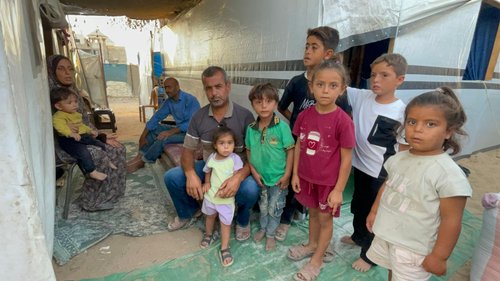
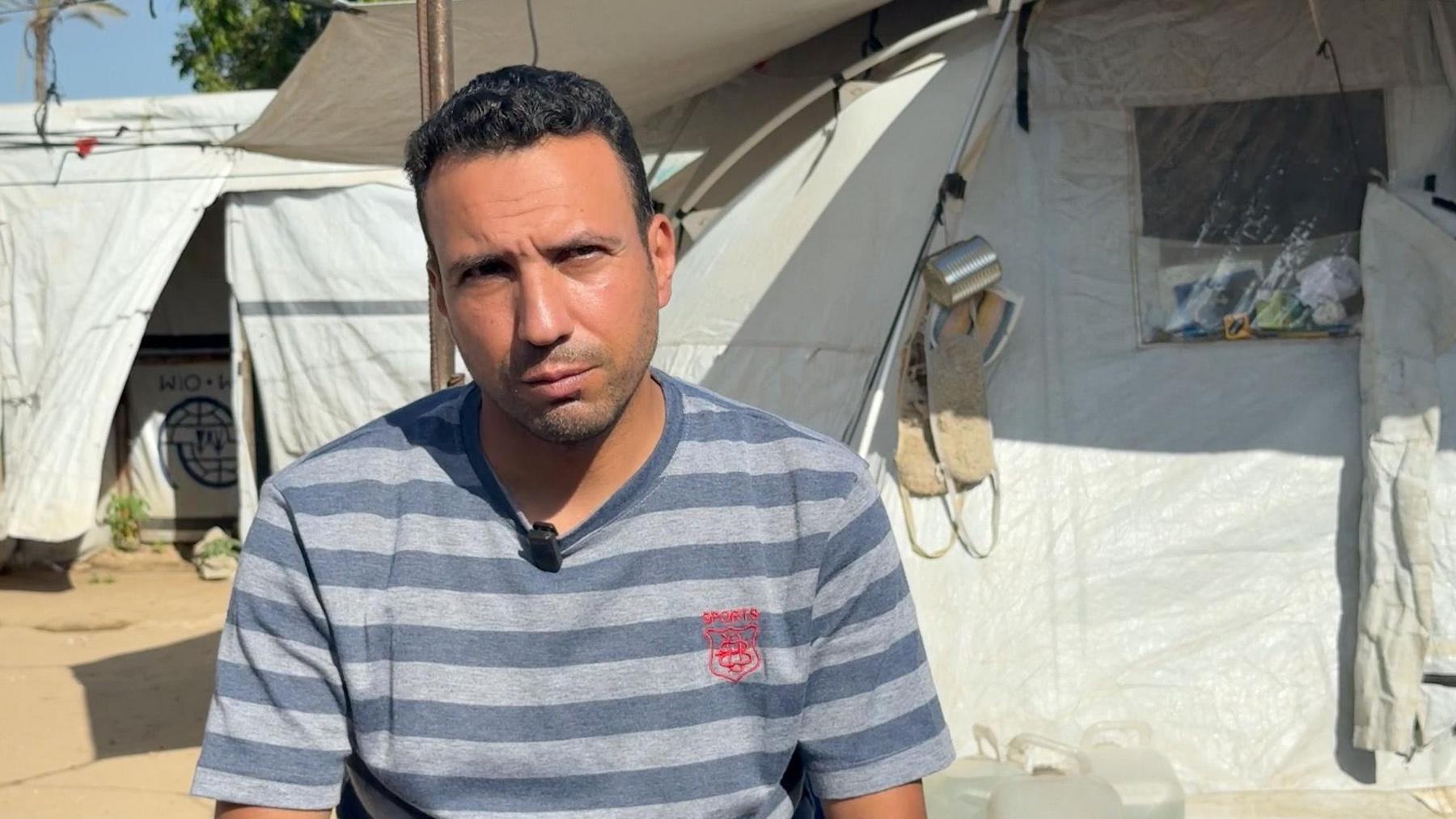
After the Gaza Strip’s cease‑fire, patients with severe illnesses have faced frustrating delays in obtaining permission to travel for treatment abroad. One such story is that of Amina Abu Kas, who died while doctors in Gaza could not supply her with the necessary medication for her aggressive necrotising infection. Her son, Saber, described how the fear of death weighed heavily on their family, and after two weeks following her death, he finally received a call confirming that her paperwork was ready for evacuation.
Gaza’s health ministry reports that 300 Palestinians have died waiting for medical evacuation since the cease‑fire, while the World Health Organization notes that 15,000 patients on a constantly fluctuating list await treatment abroad. The process requires not only approval from Gaza’s medical referral board but also security clearance by Israeli authorities, the host nation, and transit countries. Host countries also impose limits on the types of patients admitted and the length of stay, making acceptance a challenge.
Security screening has been cited as the main cause of the delays. Israeli authorities restrict the number of travelers leaving Gaza: the Rafah crossing with Egypt is opened only three days a week, while Kerem Shalom with Israel allows evacuations only one day per week. Even when approvals are received, patients must obtain visas and navigate additional security checks, often extending the wait in the hospital for a prolonged period.
Medical shortages in Gaza compound the problem. Doctors report a lack of critical supplies such as painkillers, antibiotics, and advanced equipment like dialysis machines and CT scanners, forcing them to ration or borrow from other facilities. The International Committee of the Red Cross says preventable deaths occur due to these shortages, a situation Israel is criticized for not fully addressing despite allowing enough fuel for hospital generators.
Patients and their families have begun to resort to unofficial agents, offering large sums to expedite their cases. The WHO has issued a warning against fraud, urging patients to beware of anyone claiming to speed up evacuation. In such circumstances, patients like Amina’s family, who suffered a lengthy wait and eventual death, have highlighted the dire human cost of bureaucratic and security barriers.
The plight of Gaza’s patients continues to raise international concern as the international community questions whether the promised aid and medical access are sufficient to prevent further loss of life.