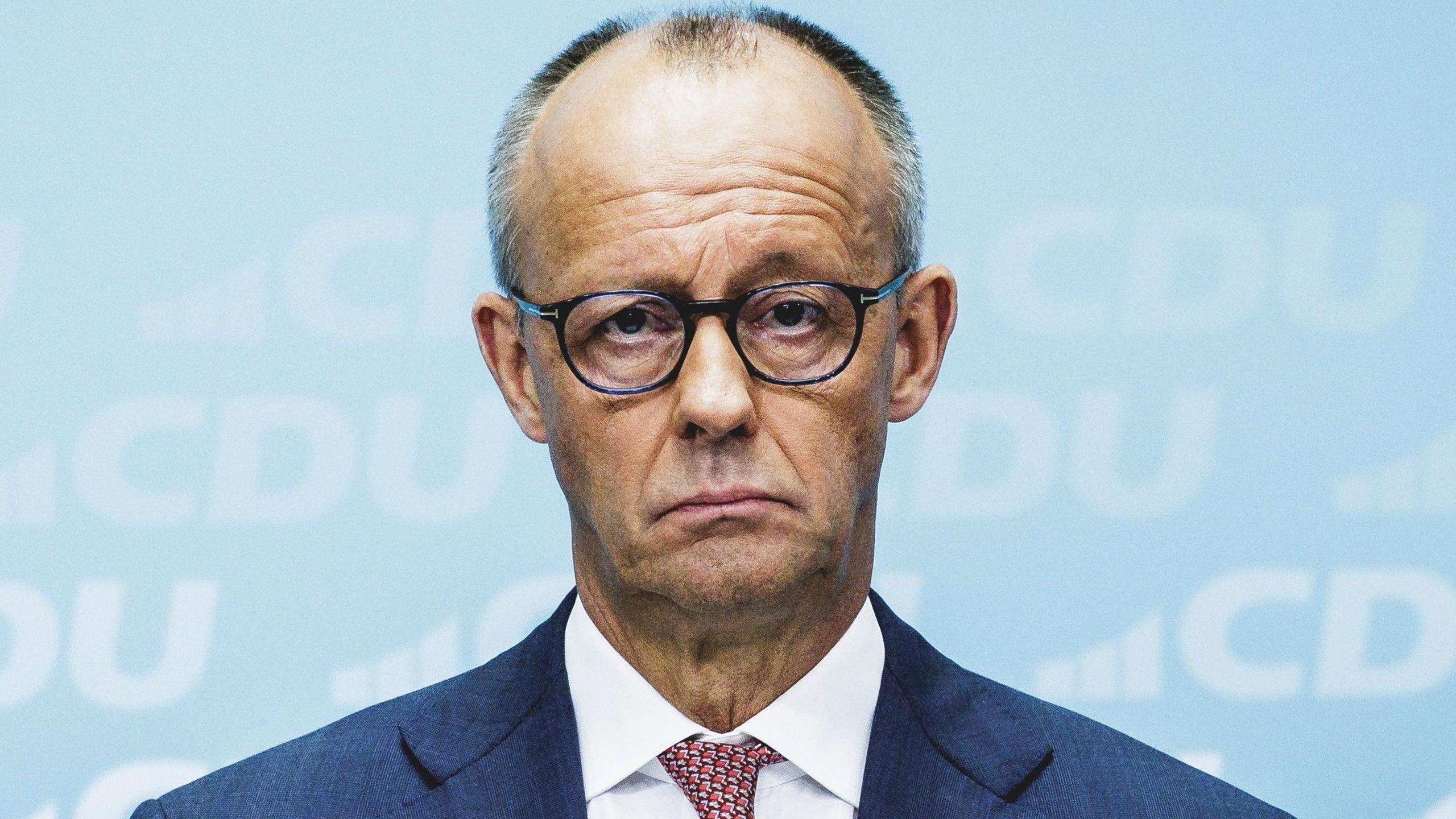
Germany’s political crossroads: Merz’s fragile coalition amid rising AfD strength
The 2026 local elections sent shock waves through Germany’s political landscape, delivering heavy blows to Chancellor Friedrich Merz’s coalition and spotlighting the Alternative für Deutschland (AfD) as a formidable new force.
The SPD‑led majority that collapsed under Olaf Scholz in 2025 is struggling to regain footing. In Berlin, the CDU–CSU led the field in the previous ruling coalition only to finish behind the AfD, while in Saxony‑Anhalt and Mecklenburg‑Western Pomerania the party was beaten or entirely excluded from parliament. The result has left Merz’s spokesman with low approval ratings and critics dubbing the situation a “communication crisis.” Yet, no senior rival inside the CDU–CSU has yet threatened a formal takeover of the chancellorship, hinting that the coalition may yet survive the bruised period.
Economists point to rising growth forecasts for 2026 and 2027 and decreasing illegal migration flows as partial vindication of Merz’s record. Still, ordinary Germans continue to wrestle with sharp energy bills, lingering fears of Chinese competition in key industries and concerns about the long‑term viability of the social‑democratic system. In this climate of uncertainty, the AfD’s message of “order” and its criticism of liberal immigration policies resonate, creating a new political fault line in what was once considered a stable centre‑right – centre‑left bipolar system.
The AfD’s surge now averages almost 28 % of the national vote, a dramatic rise from earlier years, and it has secured major victories in traditionally communist‑run eastern states. This trend taps into a nostalgia for the pre‑reunification era and a fear of rapid change, contrasting sharply with the more measured allegiances to the CDU, CSU and SPD. The party’s claims of legitimacy are countered by scrutiny of its anti‑Semite rhetoric and claims of extremist elements in local branches, raising the stakes for national security.
The recent elections expose a broader identity crisis. Repeatedly called “boring” consensus politics, Germany’s image as a dependable industrial haven has been challenged by trade disruptions, a sudden energy crunch after the loss of Russian gas, and growing performance deficits in its world‑class automotive sector. The co‑leader of the AfD, Alice Weidel, openly warned that Merz’s tenure might soon be over, signalling the possibility of a leadership change if the coalition fails to reverse its fortunes.
Looking ahead, the coalition’s survival hinges on its ability to recalibrate its messaging and deliver tangible reforms. A switch in leadership would not automatically fix the underlying issues, analysts argue; it would be a sign of the same systemic challenges facing Germany’s democratic governance. Whatever the outcome, the crisis underscores how rapidly the political centre can dissolve in the face of deep‑rooted societal anxieties and shifting electoral dynamics.