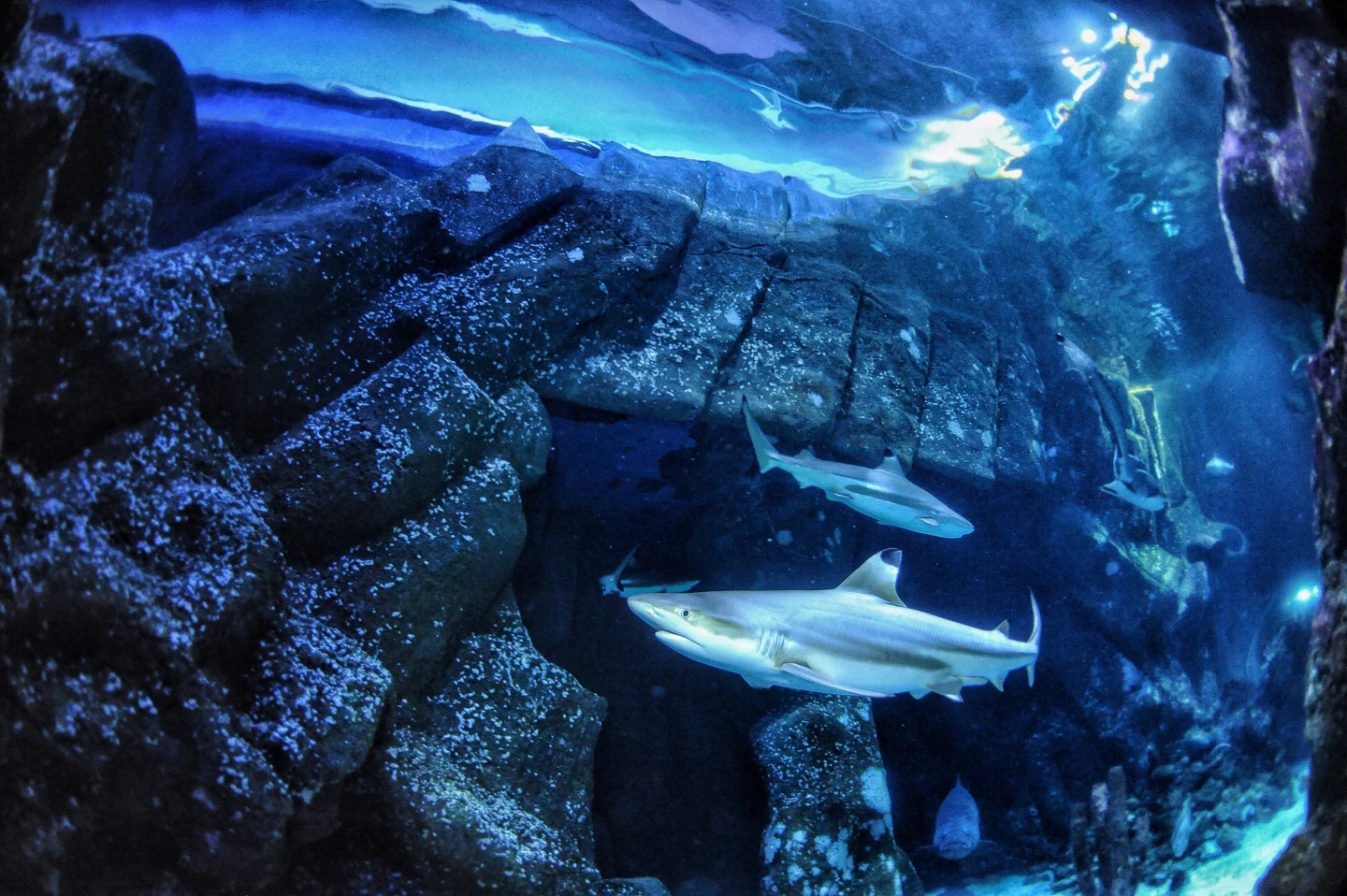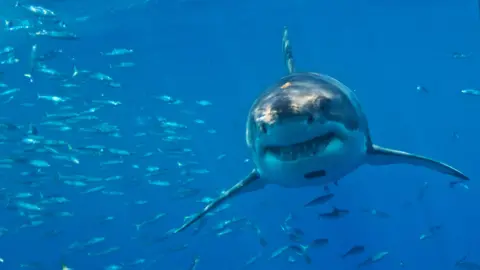
Great white sharks in the Mediterranean Sea are in danger of disappearing, with illegal fishing contributing significantly to their decline.
This assertion comes from research conducted by US scientists in collaboration with the UK nonprofit Blue Marine Foundation, highlighting that some of the most imperiled species, including great white sharks, are being sold in North African fish markets.
The great white is among more than 20 Mediterranean shark species that are protected under international law, making it illegal to catch or sell them. Yet, monitoring fishing ports along the Mediterranean coast of North Africa revealed that at least 40 great white sharks had been killed there in 2025 alone.
According to the BBC, independent verification of social media footage showcased protected sharks being brought dead into North African ports. One specific clip depicted a large great white being unloaded from a fishing vessel in Algeria, alongside another video from Tunisia showing the remains of a short-finned mako shark—a species also facing severe threats.
Last Shark Stronghold
Lead researcher Dr. Francesco Ferretti from Virginia Tech explained that shark populations, particularly white sharks, have dramatically dwindled in the Mediterranean over recent decades. No other stretch of water is fished like the Mediterranean Sea, he noted, expressing concern about the increasing impact of industrial fishing, which could lead to the sharks' extinction in the near future.
The Mediterranean white shark population is now classified as Critically Endangered by the International Union for the Conservation of Nature (IUCN). Dr. Ferretti's team focused their research efforts in the Strait of Sicily, identified as a last stronghold for several threatened shark species. They aimed to fit a satellite tracking tag onto a white shark, an unprecedented achievement in this region.
Despite their extensive efforts, including deploying three tonnes of bait and utilizing underwater cameras, the researchers were unable to locate any sharks to study and only briefly encountered one blue shark.
Sharks for Sale
James Glancy from Blue Marine confirmed sightings of multiple white sharks for sale in Tunisian markets, yet he noted a glimmer of hope in the fact that their presence indicates some wildlife still remains. It shows that there is wildlife left, he told BBC News. And if we can preserve this, there is a chance of recovery.
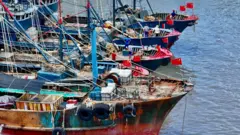
Efforts are underway to monitor several fishing ports in North Africa, supported by a collaborated investigation led by the BBC Forensics team, revealing that protected sharks continue to be found and sold in Tunisia and Algeria.
What Can Be Done?
In many underprivileged communities across North Africa, fishers often face a dilemma: return a threatened species to the ocean or provide sustenance for their families. According to Sara Almabruk from the Libyan Marine Biology Society, most shark catches are accidental, yet economic necessity drives the choice to retain them. If you support them and train them in more sustainable fishing, they will not catch white sharks—or any sharks, she suggested.
James Glancy emphasized the importance of cooperation among Mediterranean countries, stating, If we all work together, there is hope. But we need to act very quickly. Such collaborative efforts could spell the difference between mercy or oblivion for the Mediterranean white sharks and their ecosystem.