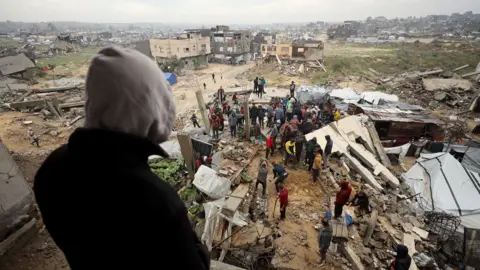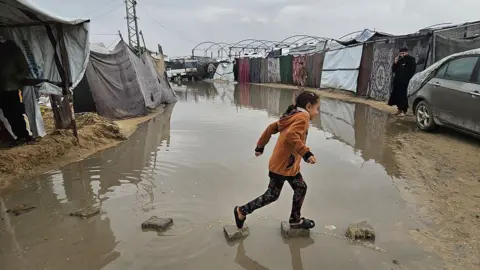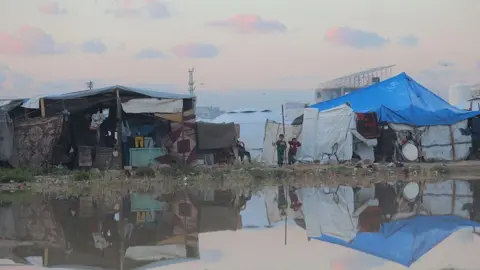
Heavy rains over the past week have compounded the already dire living conditions of the hundreds of thousands of displaced Palestinians in the Gaza Strip, UN agencies say.
Unicef spokesman Jonathan Crickx reported horrific weather conditions, observing up to 15cm (6in) of water accumulating near his office, raising alarms about potential health risks for children confined to tents and makeshift shelters.
The Hamas-run health ministry has confirmed at least one baby has succumbed to hypothermia, while further casualties from building collapses due to the fierce weather have also been reported.
Recent assessments estimate that nearly 55,000 families have been impacted, with essential supplies and emergency shelters effectively destroyed or damaged.
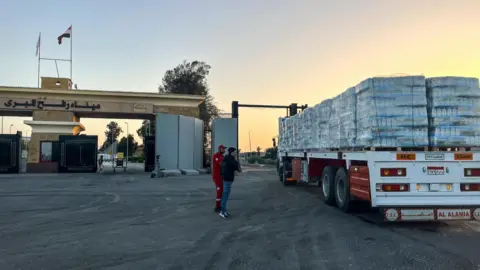
UN agencies have ramped up aid in response to the crisis, including the delivery of tents and blankets, yet delays in humanitarian assistance have exacerbated the situation, impeding urgent relief efforts. Over 40 emergency shelters have been flooded as of this week, forcing repeated displacements.
Crickx expressed fears over rising illness rates among the displaced population, especially in children who face damp living conditions. With winter temperatures plummeting to around 7-8°C (45-46°F), the risk of serious health issues heightens.
In the light of recent fatalities and ongoing humanitarian need, calls for increased support and resources have intensified, amidst assertions from the International Committee of the Red Cross that not enough aid is reaching those in dire need.
The coordination around humanitarian supply deliveries remains a contentious point, with the Israeli military maintaining that aid is flowing into Gaza to address the widespread needs.
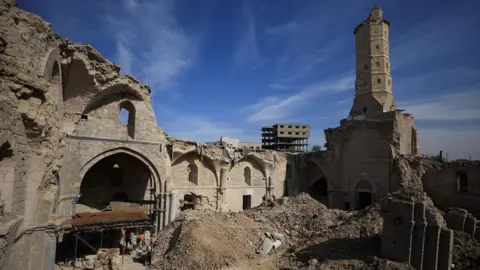
The continuing crisis reflects a broader humanitarian emergency fueled by prolonged conflict, urgent calls for action echo as the community grapples with both natural disasters and human-induced challenges.