
In brief
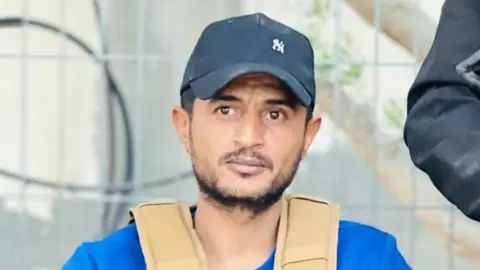
Yasser Abu Shabab, leader of the Popular Forces militia in Gaza, was killed while mediating a dispute amongst locals. His death has sparked conflicting claims about the circumstances and implications of his leadership, highlighting the complex dynamics in Gaza amidst ongoing tensions between Hamas and anti-Hamas factions. His group, backed by some external support, pledged to continue operations against perceived threats within their territory, revealing the fractured state of governance and allegiances in the region.
A prominent Palestinian militia leader in Gaza who opposed Hamas has been killed.
Yasser Abu Shabab headed the Popular Forces group, which has dozens of fighters and operates in Israeli-controlled territory near the southern city of Rafah.
The Popular Forces stated that Abu Shabab was shot while attempting to mediate a dispute between local families. The group labeled claims of Hamas's involvement as misleading, while members of his Bedouin tribe accused him of treachery against the Palestinian cause.
Rumors suggest his killing stemmed from an internal power struggle, with Hamas claiming his fate befell those who betray their people. Reports indicated that he succumbed to injuries after being evacuated to an Israeli hospital, which later denied involvement in his care.
The Popular Forces vow to continue their mission of combating terrorism in Gaza, stating that Abu Shabab's legacy will drive them forward.
In June, Israeli Prime Minister Benjamin Netanyahu acknowledged aid to Palestinian groups opposing Hamas, further complicating the landscape of allegiances in Gaza. Despite accusations against the Popular Forces regarding humanitarian misconduct, they've firmly denied any such ties.
Since the ceasefire between Israel and Hamas commenced nearly two months ago, Abu Shabab navigated a volatile regional landscape influenced by international efforts, particularly aimed at peace negotiations. The overarching conflict was reignited by the Hamas attack on southern Israel back in October, setting off a deadly cycle of violence that continues to unfold in Gaza.
