MIAMI (AP) — Christopher Day, a U.S. Army Reserve lawyer detailed as a federal immigration judge, was fired less than a month into his appointment, following a high rate of asylum grants that conflicted with the Trump administration's immigration policies aimed at mass deportation. Day's two-month stint at the immigration court in Annandale, Virginia, ended abruptly after he reportedly allowed six out of eleven asylum cases to succeed, a stark contrast to the administration's plan to reduce a backlog of 3.8 million asylum cases.
The reasons behind Day's dismissal remain unclear. When contacted, Day did not provide comments, and a spokeswoman for the Justice Department declined to discuss personnel matters. However, critics argue that the administration's actions reflect broader political and ideological influences over judicial appointments within immigration courts.
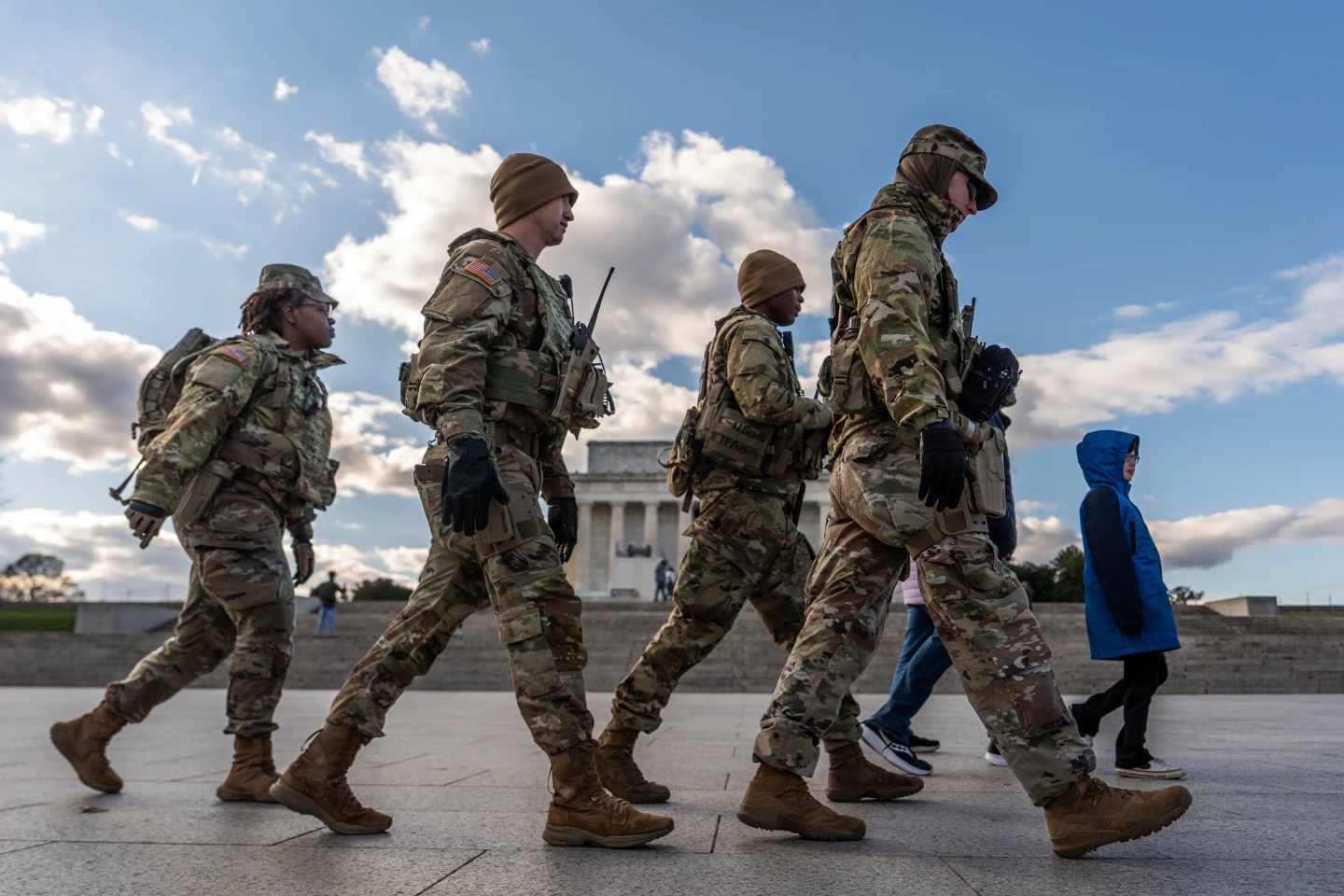
As part of a campaign to overhaul the US immigration system, the Trump administration has dismissed nearly 100 judges perceived as too lenient and has even relaxed the requirements for appointment, allowing those outside traditional legal pathways to apply for judgeships. This has raised alarms regarding the qualifications of military judges assigned to immigration courts. Advocacy groups express concern that these judges lack proper expertise and threaten the integrity of legal proceedings.
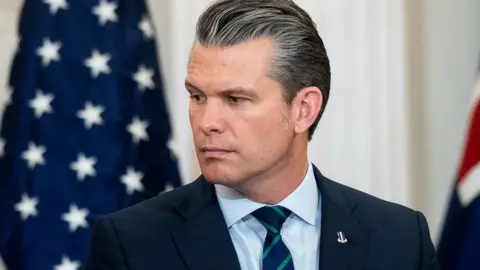
Defense Secretary Pete Hegseth has approved sending military lawyers to assist with asylum cases, intending to expedite the adjudication process, which many fear turns legal oversight into a mere tool for advancing political agendas. Reports indicate military judges have been less favorable toward asylum seekers, with a 78% removal rate compared to the national average of 63%.
Legal experts criticize the decision to appoint military personnel to the role of judges in immigration cases and emphasize the impact such shifts have on vulnerable populations seeking refuge. Many believe that the firing of judges like Day, who uphold asylum claims in accordance with existing laws, suggests an effort to undermine fair judicial processes in favor of political objectives.
Christopher Day's career in public service spanned two decades, where he previously worked for the Federal Communications Commission and pursued legal training as a JAG officer. The parameters of his assignment as an immigration judge juxtaposed surgical legal reasoning against the backdrop of an evolving immigration landscape, entangling impartiality and advocacy in a highly politicized environment.