BALTIMORE (AP) — Kilmar Abrego Garcia was due to check in with immigration authorities on Friday, just 14 hours after his release from detention following a judge's order. His case has become a symbol of the challenges facing many immigrants in the U.S.
Once a critical focal point of the Trump administration's immigration policies, Abrego Garcia was erroneously deported to a dangerous prison in El Salvador earlier this year. He was taken into custody again in August during a routine immigration check-in.
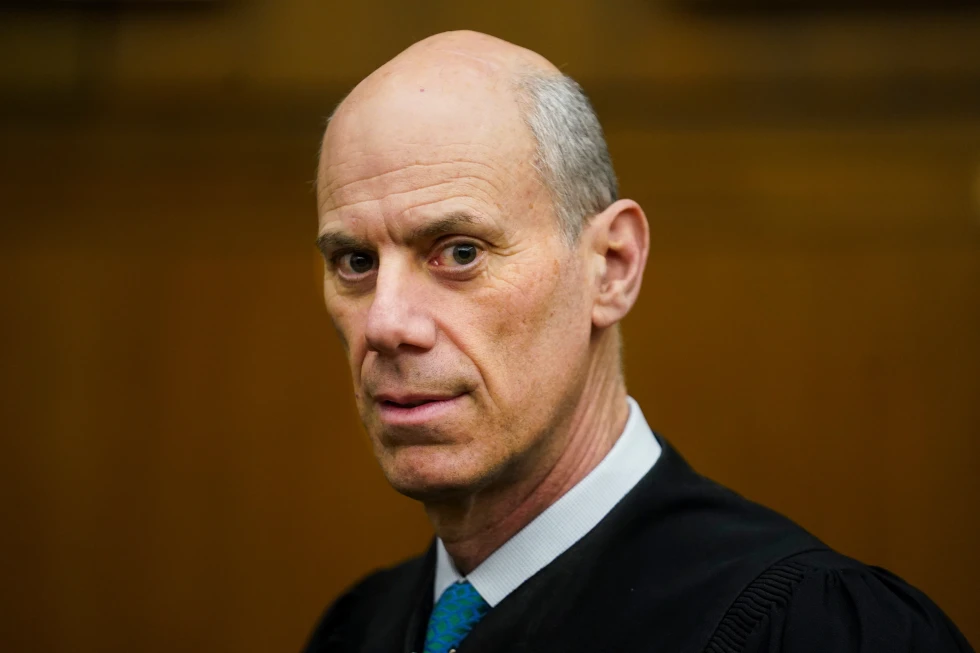
Scheduled for a morning appearance at an Immigration and Customs Enforcement (ICE) office in Baltimore, Abrego Garcia was released around 5 p.m. Thursday based on U.S. District Judge Paula Xinis's ruling, which criticized federal authorities for detaining him without legal justification.
Mistaken Deportation and Legal Challenges
Abrego Garcia, a Salvadoran with an American family, immigrated to the U.S. illegally as a teenager. He was granted protection against deportation in 2019 due to threats from gangs in his home country. Despite being allowed to work in the U.S., he has not secured residency status, and earlier this year faced a disastrous deportation error.
His return to the U.S. was compelled after growing public pressure and a federal court order, although he was subsequently charged with human smuggling in Tennessee, which he has contested.
A Lawsuit Against Expedited Removal
Following a settlement that recognized his well-founded fear of persecution in El Salvador, ICE attempted to deport him to various African nations. Abrego Garcia's lawsuit challenges these efforts, suggesting they are retaliatory actions prompted by the embarrassment of his wrongful deportation.
Judge Xinis highlighted in her ruling that the government misled the court regarding the legality of its actions, affirming that ICE lacked the authority to detain him indefinitely without a valid background.
Abrego Garcia returned to Maryland following release from Moshannon Valley Processing Center, as concerns linger over future deportation attempts. Immigration check-ins, once a standard process, have turned increasingly fraught since the onset of Trump’s second term, as many immigrants now fear detention.
Challenges in Tennessee
His current legal challenges in Tennessee stem from allegations related to a traffic stop in 2022, where he was accused of transporting individuals illegally. This charge arose only after the Supreme Court mandated his repatriation from El Salvador, raising questions about the motives behind his case.
The details of Abrego Garcia's ordeal fittingly demonstrate the dire implications of U.S. immigration policies, illustrating the significant impact on individuals and families caught within its complexities.