In brief
In a decisive 82‑vote ruling, the Assembly of States Parties removed former ICC prosecutor Karim Khan after an Independent Oversight Mechanism found a serious breach of duty involving a sexual relationship with an employee. Khan, who has denied all accusations, may seek legal recourse while the court’s integrity and operational capacity are widely debated. The case now co‑exists with a broader political push from the United States to weaken or dismantle the ICC, heightening tensions among key international stakeholders.
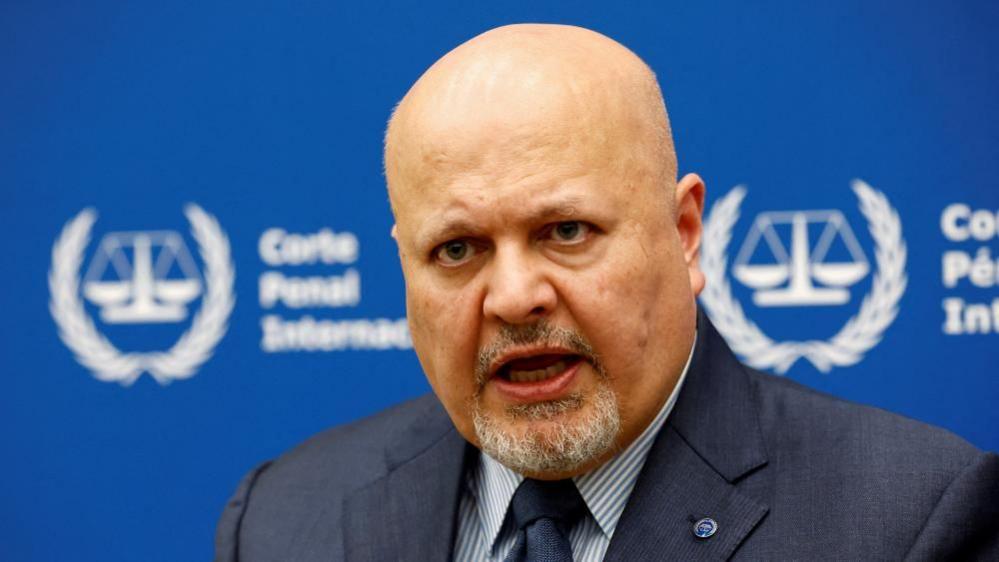
Members of the International Criminal Court (ICC) have voted 82‑0 to dismiss its chief prosecutor, Karim Khan, amid allegations of sexual misconduct.
In June the court’s Oversight Mechanism determined Khan had committed serious misconduct by entering an improper sexual relationship with a junior staff member and attempting to stop her from filing a complaint.
Since the allegations surfaced in May 2024, Khan has been on voluntary leave to contest the findings and to fight his suspension from the UK legal profession, where the Bar Standards Board has imposed a temporary ban.
Despite his removal, Khan was barred from attending the voting session at the United Nations headquarters in New York under sanctions imposed by the former U.S. administration over the ICC’s pursuit of alleged war crimes by Israeli officials in Gaza.
The decision occurs at a time of intense scrutiny of the ICC’s internal processes and a broader U.S. campaign to dismantle the tribunal. Washington has signaled that sanctions, visa bans and asset freezes could be used to pressure other nations to withdraw from the court.
Critics argue that the ICC’s fallibility could weaken its capacity to prosecute the world’s most serious crimes, while supporters hope the ruling will restore confidence in the institution’s commitment to safe, inclusive working conditions.
Going forward, Khan may challenge the legality of the ICC’s dismissal through all remaining legal avenues, underscoring that this case carries profound implications for international justice governance.