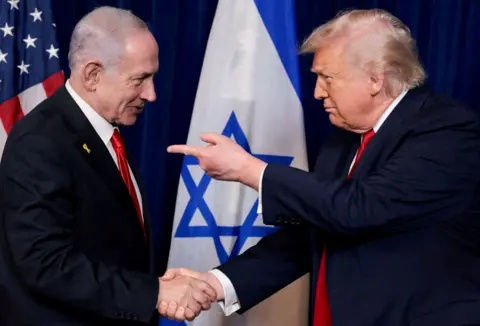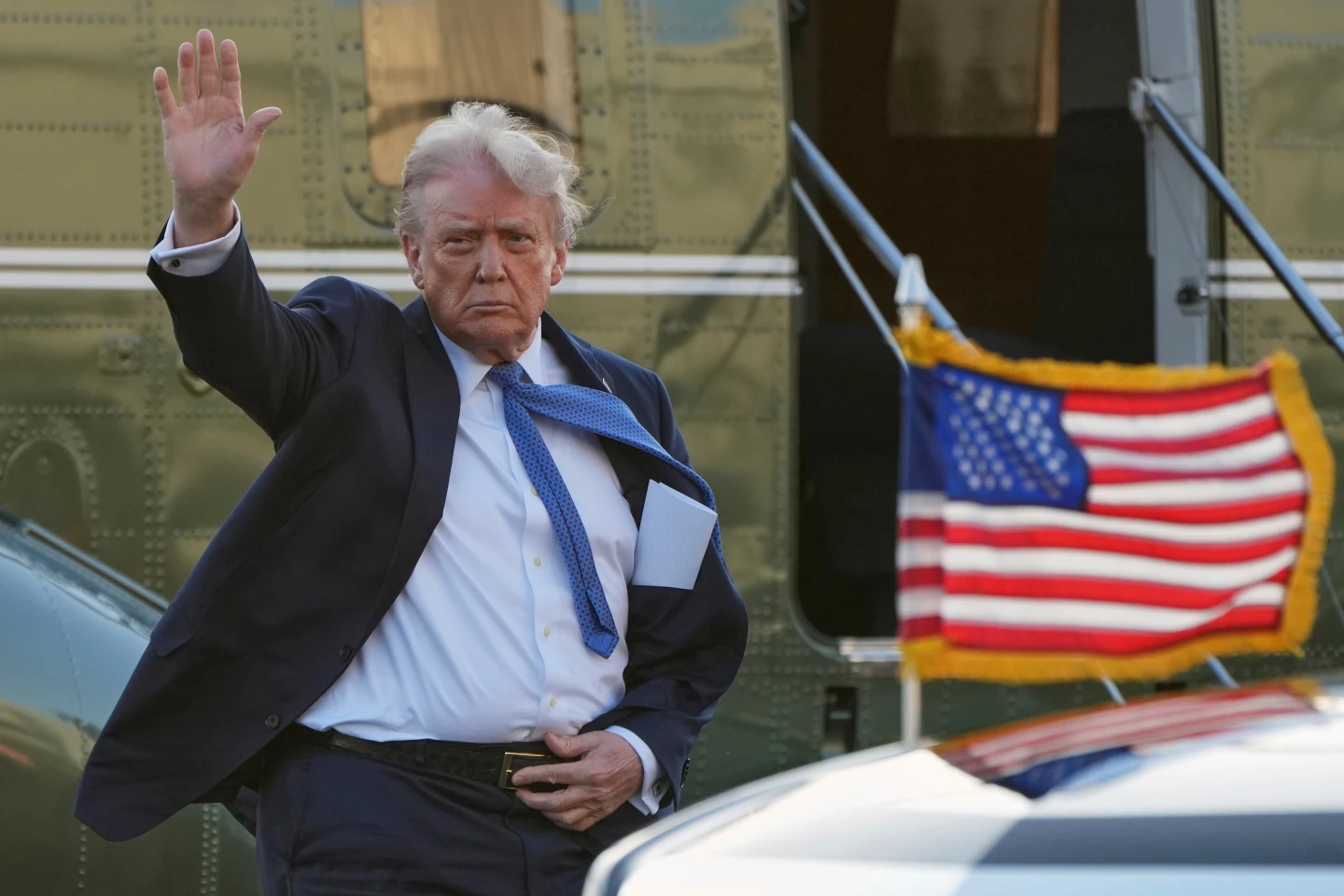
In a landmark settlement, the U.S. Department of Justice has resolved a lawsuit filed by President Donald Trump against the Internal Revenue Service (IRS), granting him immunity from future audits of his tax filings. The agreement, announced Tuesday, concludes a dispute that began when the Trump administration's IRS agency leaked his tax returns to The New York Times in 2018. According to the settlement, the IRS is 'forever barred and precluded' from examining or prosecuting Trump, his sons, and the Trump Organization’s current tax filings. This includes dropping all pending probes into potential tax avoidance techniques that could have led to a $100 million bill in penalties and back taxes.
The settlement is part of a broader agreement that established a $1.8 billion fund to compensate individuals Trump claims were improperly investigated by government agencies. However, the tax immunity has drawn significant scrutiny from experts who warn it could undermine the integrity of the U.S. tax system. 'This is an unprecedented remedy,' said former IRS Commissioner Daniel Werfel, emphasizing that the president should be treated like every other American. 'People expect the same tax rules and enforcement framework to apply to everybody.'
Tax experts have pointed to the extraordinary nature of the case. Trump sued the IRS, a federal agency under his administration, placing him in an unusual position of challenging an agency he oversees. Then, that same agency granted him immunity. 'This is the president trying to play every role in the system, acting as plaintiff, defendant, and his own judge and jury to extract extraordinary windfalls,' noted Brandon DeBot, a policy director at New York University’s Tax Law Center. DeBot warned that the settlement 'is giving the president and his affiliates completely different set of rules than everyday taxpayers.'
The IRS probe centered on whether Trump doubled-dipped in claiming losses from his Chicago skyscraper to reduce his tax bill. The New York Times and ProPublica reported in 2024 that Trump could owe more than $100 million in back taxes, penalties, and interest if the audit had found him guilty of improper tax practices. The settlement, however, has 'wiped his slate clean' regarding this issue, as per DeBot. Yet, the immunity is limited to the current tax filings and existing audits. Future examinations for tax years not yet audited remain possible.
The case also carries historical weight. While presidents for decades have had their tax returns audited, Trump's lawsuit sets a new precedent. His legal challenge to the IRS—part of a post-Watergate policy that ensures transparency—has raised questions about whether the executive branch can shield itself from standard tax enforcement. During the Nixon administration, the IRS investigated dubious deductions that led to significant underpayments. Nixon famously declared, 'I am not a crook,' eventually paying hundreds of thousands of dollars in back taxes.
The settlement faces legal challenges. The compensation fund, which Trump claims will cover improper investigations, is being contested by police officers who defended the U.S. Capitol during the Jan. 6, 2021, riot. Similarly, the tax immunity is likely to be challenged in court. 'This settlement is legally complex and its long-term effects are uncertain,' said DeBot. 'The question is whether the Justice Department had the authority to grant such broad immunity.'
The debate highlights a fundamental tension: between the need for presidential accountability and the practical realities of tax enforcement. While supporters argue that the IRS investigation was politically motivated and Trump deserves protection, critics contend that the tax system must be equally enforced for all citizens. As the case moves forward, the outcome could reshape how the IRS operates and how the public perceives the fairness of tax laws.
Political perspectives reveal stark divides. Conservative analysts argue the settlement is a necessary correction against bureaucratic overreach, noting Trump's historical role in tax policy as a 'non-partisan architect of tax law reforms.' Liberal experts counter that the president must be held to standard legal norms, citing constitutional precedent that 'no citizen is above the law.' Cultural perspectives emphasize transparency as a pillar of democracy, with scholars warning that selective enforcement erodes public trust in government institutions. Socially, the case has reignited discussions about the fairness of tax systems, with citizens questioning how special treatment for elites affects economic mobility.
Tax policy professor Elena Rodriguez observes: 'When the executive branch grants immunity to itself through judicial settlement, it creates a dangerous precedent that could normalize tax evasion. The system's credibility depends on consistent application, not political convenience.' The case now becomes a test of whether American institutions will prioritize legal consistency over executive authority, with long-term implications for governance and public trust in financial regulations.}
The settlement is part of a broader agreement that established a $1.8 billion fund to compensate individuals Trump claims were improperly investigated by government agencies. However, the tax immunity has drawn significant scrutiny from experts who warn it could undermine the integrity of the U.S. tax system. 'This is an unprecedented remedy,' said former IRS Commissioner Daniel Werfel, emphasizing that the president should be treated like every other American. 'People expect the same tax rules and enforcement framework to apply to everybody.'
Tax experts have pointed to the extraordinary nature of the case. Trump sued the IRS, a federal agency under his administration, placing him in an unusual position of challenging an agency he oversees. Then, that same agency granted him immunity. 'This is the president trying to play every role in the system, acting as plaintiff, defendant, and his own judge and jury to extract extraordinary windfalls,' noted Brandon DeBot, a policy director at New York University’s Tax Law Center. DeBot warned that the settlement 'is giving the president and his affiliates completely different set of rules than everyday taxpayers.'
The IRS probe centered on whether Trump doubled-dipped in claiming losses from his Chicago skyscraper to reduce his tax bill. The New York Times and ProPublica reported in 2024 that Trump could owe more than $100 million in back taxes, penalties, and interest if the audit had found him guilty of improper tax practices. The settlement, however, has 'wiped his slate clean' regarding this issue, as per DeBot. Yet, the immunity is limited to the current tax filings and existing audits. Future examinations for tax years not yet audited remain possible.
The case also carries historical weight. While presidents for decades have had their tax returns audited, Trump's lawsuit sets a new precedent. His legal challenge to the IRS—part of a post-Watergate policy that ensures transparency—has raised questions about whether the executive branch can shield itself from standard tax enforcement. During the Nixon administration, the IRS investigated dubious deductions that led to significant underpayments. Nixon famously declared, 'I am not a crook,' eventually paying hundreds of thousands of dollars in back taxes.
The settlement faces legal challenges. The compensation fund, which Trump claims will cover improper investigations, is being contested by police officers who defended the U.S. Capitol during the Jan. 6, 2021, riot. Similarly, the tax immunity is likely to be challenged in court. 'This settlement is legally complex and its long-term effects are uncertain,' said DeBot. 'The question is whether the Justice Department had the authority to grant such broad immunity.'
The debate highlights a fundamental tension: between the need for presidential accountability and the practical realities of tax enforcement. While supporters argue that the IRS investigation was politically motivated and Trump deserves protection, critics contend that the tax system must be equally enforced for all citizens. As the case moves forward, the outcome could reshape how the IRS operates and how the public perceives the fairness of tax laws.
Political perspectives reveal stark divides. Conservative analysts argue the settlement is a necessary correction against bureaucratic overreach, noting Trump's historical role in tax policy as a 'non-partisan architect of tax law reforms.' Liberal experts counter that the president must be held to standard legal norms, citing constitutional precedent that 'no citizen is above the law.' Cultural perspectives emphasize transparency as a pillar of democracy, with scholars warning that selective enforcement erodes public trust in government institutions. Socially, the case has reignited discussions about the fairness of tax systems, with citizens questioning how special treatment for elites affects economic mobility.
Tax policy professor Elena Rodriguez observes: 'When the executive branch grants immunity to itself through judicial settlement, it creates a dangerous precedent that could normalize tax evasion. The system's credibility depends on consistent application, not political convenience.' The case now becomes a test of whether American institutions will prioritize legal consistency over executive authority, with long-term implications for governance and public trust in financial regulations.}