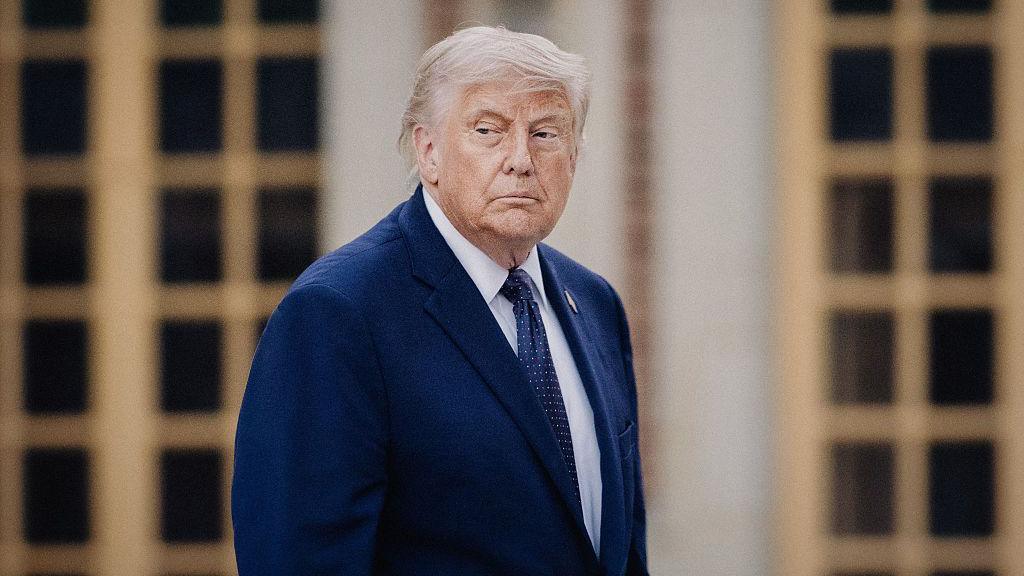
On Thursday afternoon the world saw an unprecedented signing in the sunshine at the Palace of Versailles. President Donald Trump and Iranian President Masoud Pezeshkian put pen to paper to form a memorandum of understanding (MoU) that immediately ended military operations on all fronts, including Lebanon, and set a new path toward peace.
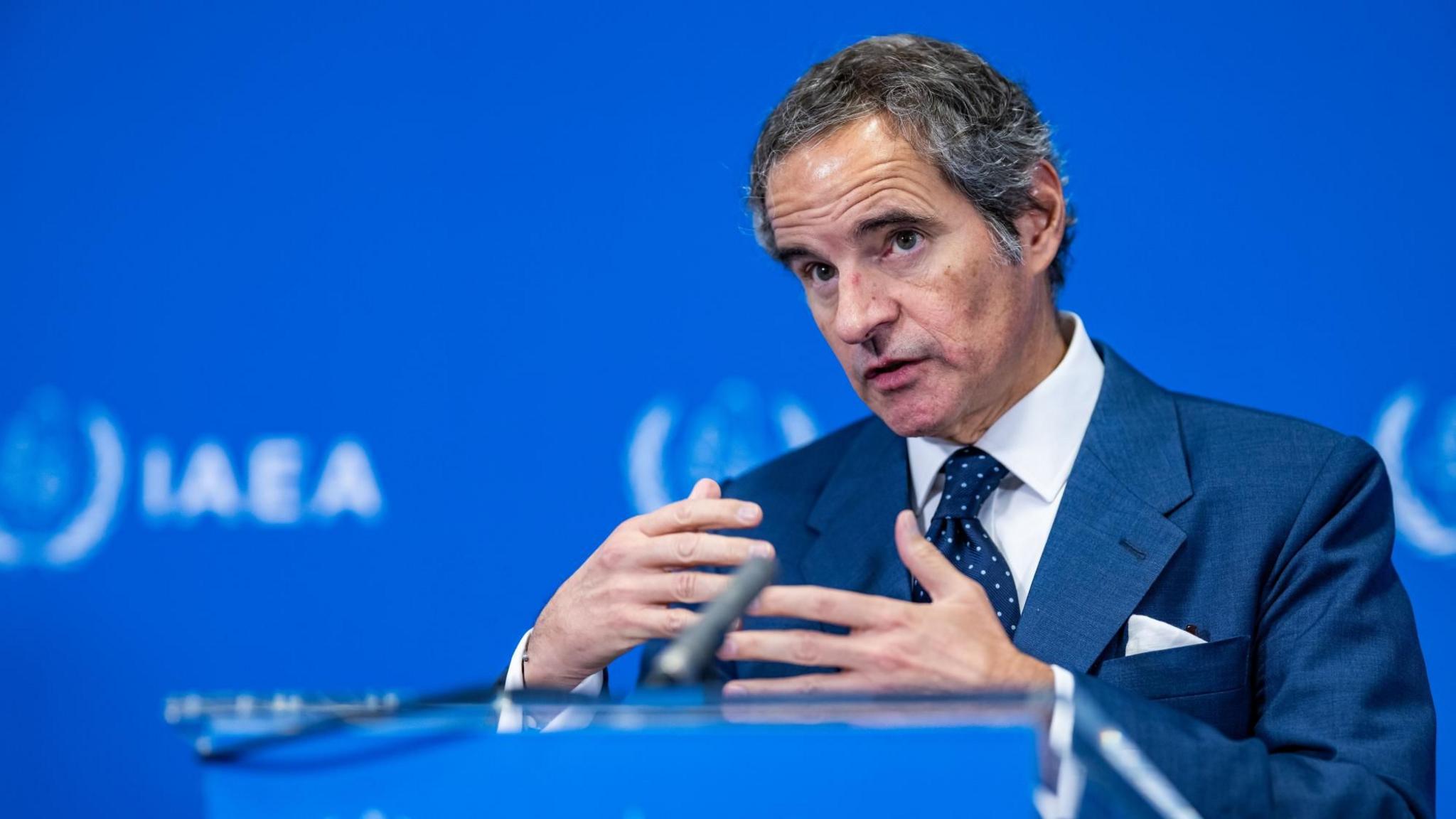
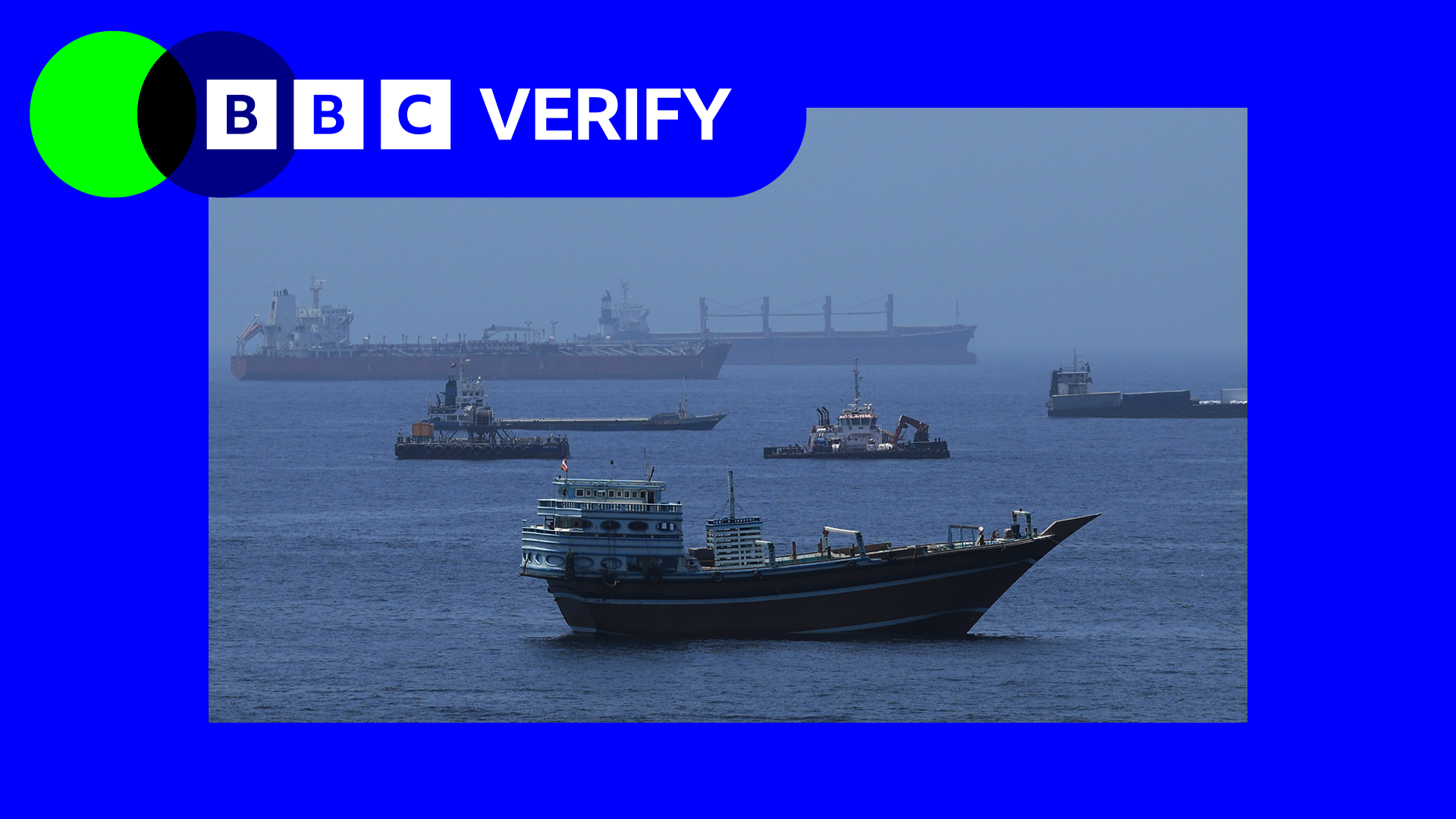
The agreement includes several concrete measures: the Strait of Hormuz will be reopened for 60 days with no charges for ships; the U.S. will lift “all types of sanctions” against Iran; and the country will receive a $300 billion reconstruction package earmarked for rebuilding infrastructure damaged by war. In exchange, Iran confirms it will not pursue or develop nuclear weapons, and it agrees to “down‑blend” enriched uranium on‑site under the auspices of the International Atomic Energy Agency.
Trump declared: “It will stave off an ‘economic catastrophe.’ If we keep this going, that could happen.”
The MoU grants a 60‑day window—extendable by mutual consent—for negotiators to resolve the core issue of Iran’s nuclear programme. This was a significant reduction from earlier U.S. demands that Iranian fissile material be removed entirely from the country.
Iranian parliamentary speaker Mohammad Bagher Ghalibaf warned:
“If the enemy does not understand the language of logic, we will enter again with the language of power.”
The deal’s announcement sparked mixed reactions at home. Republican senators praised the ceasefire as a sign of American strength: Louisiana’s Bill Cassidy called it “the worst foreign policy blunder in decades,” while Texas’s Ted Cruz criticized the $300 billion fund. Democratic senators were skeptical; New Hampshire’s Jeanne Shaheen called the arrangement “a very bad deal” and stressed the unresolved issues of Iran’s proxy support and missile programme.
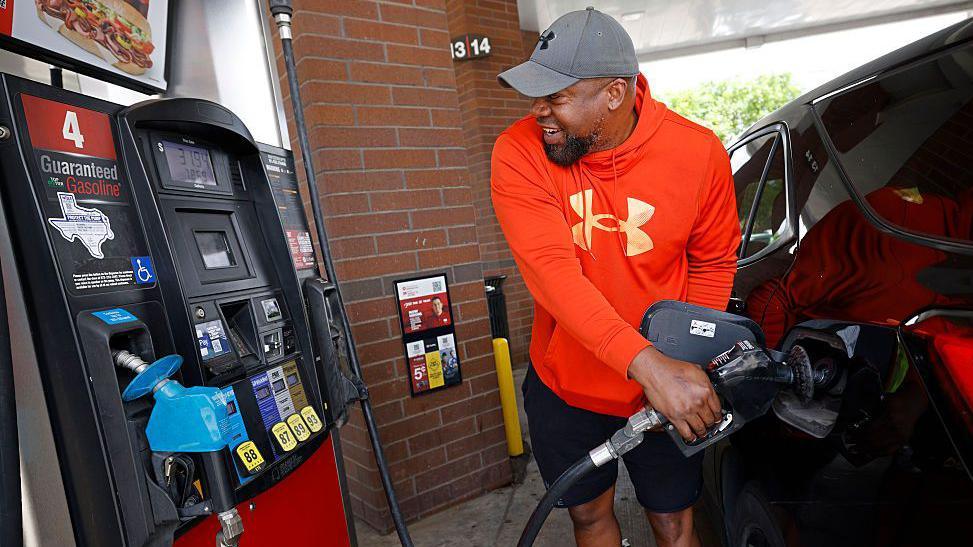
Energy markets responded quickly. Brent crude slipped about 1 % to $78.79 per barrel as the immediate threat to the Strait of Hormuz receded; yet the price remained roughly $8 higher than pre‑war levels, reflecting lingering uncertainty.
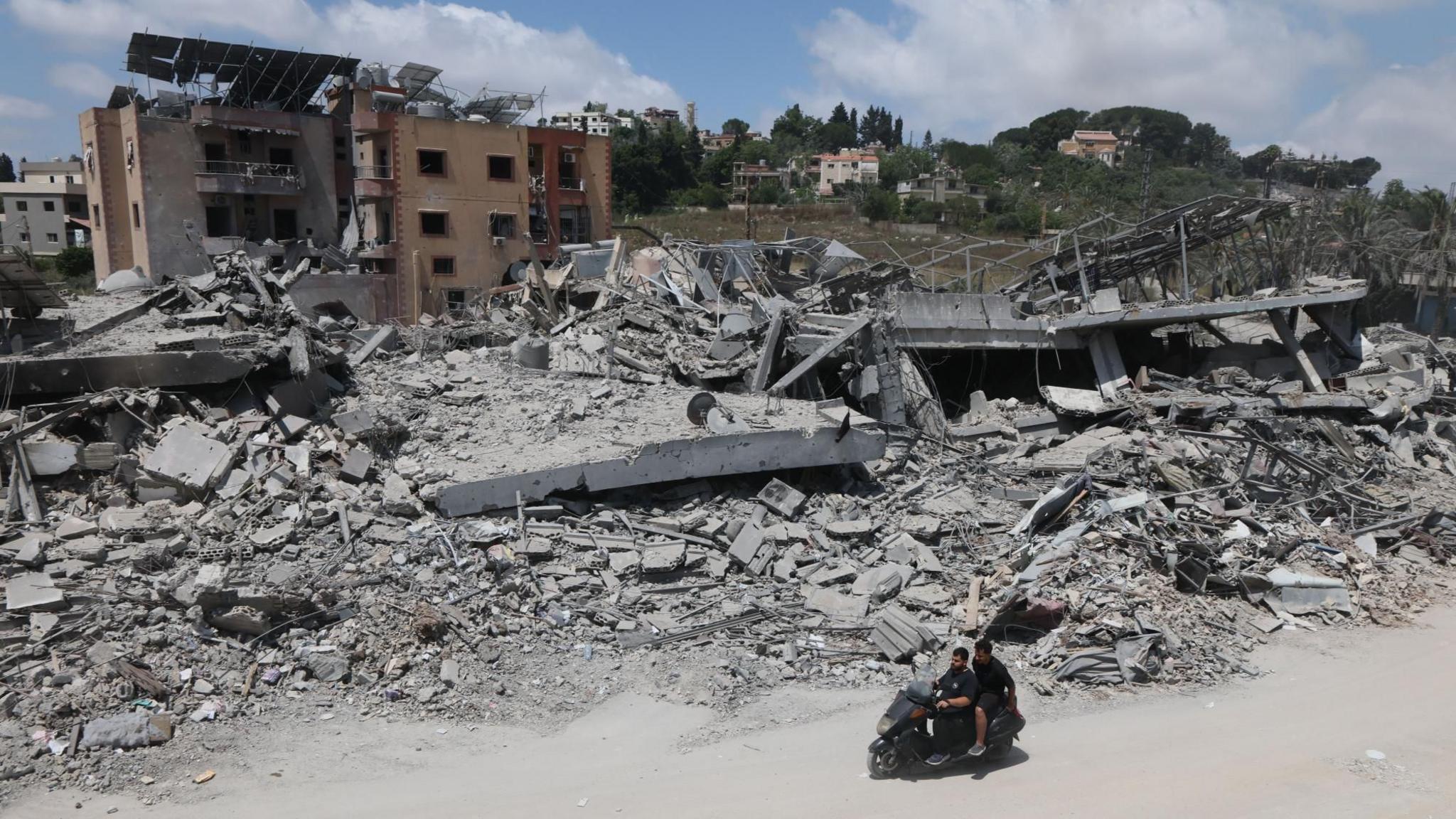
In the broader geopolitical context, the U.S. also faced pressure from Israel over actions in Lebanon. Trump urged Israeli Prime Minister Benjamin Netanyahu to moderate military operations, noting the potential for a breakdown in the newly‑signed agreement. The forward‑looking element of the memorandum is that the ceasefires are set to last “in perpetuity,” yet the larger framework—particularly the nuclear goal—remains unresolved, and a further extension beyond 60 days is still negotiable.
Ultimately, the MoU marks a pivotal, albeit partial, step toward ending a conflict that has reshaped Middle‑Eastern politics, global energy markets, and U.S. foreign‑policy narratives.