Implications of Trump's Climate Policy Reversal: A Comprehensive Examination
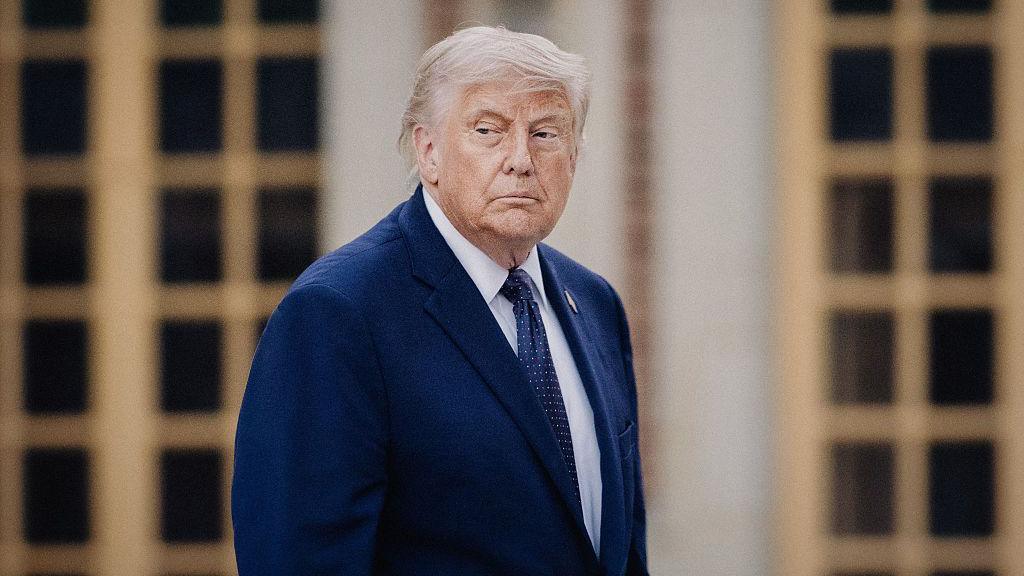
US President Donald Trump has announced the reversal of the so-called endangerment finding, a key Obama-era scientific ruling that underpins much of US environmental legislation. As a result, experts are predicting various environmental and economic impacts, though the decision by the US Environmental Protection Agency (EPA) is expected to be challenged in the courts from environmental groups. Here are some of the potential impacts.
Fewer Greenhouse Gas Emissions Restrictions
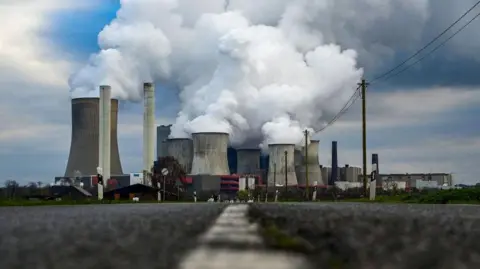
The most obvious outcome of the legislative change is that there will be fewer restrictions placed on greenhouse-gas-producing industries, particularly vehicle manufacturers. The 2009 endangerment finding was the result of a major report by the EPA that identified six greenhouse gases as endangering current and future generations.
Greenhouse gases trap heat in the atmosphere, raising temperatures. The impact of the ruling until now has been notable, with greenhouse gas levels in the US peaking in the late 2000s and showing a steady decline in the years since. With the endangerment finding gone, much of the legal basis limiting US industries in their greenhouse gas emissions is removed.
Non-profit group the Environmental Defense Fund estimates an additional 7.5-18 billion tonnes of greenhouse gases may be emitted by 2055, potentially costing trillions of dollars.
Cheaper Cars in the US (but They'll Be Harder to Export)
The Trump administration suggests that removing the endangerment finding will benefit the economy, particularly in vehicle costs, projecting a reduction in automobile manufacturers' costs by around $2,400 per vehicle.
However, climate targets in many international markets might complicate how much manufacturers change production. As Michael Gerrard, a climate law expert from Columbia University, points out, US automakers may find themselves needing to accommodate global emissions standards.
Nuisance Lawsuits
The reversal may lead to an increase in "public nuisance" lawsuits as the power to regulate greenhouse gas emissions drops back into the courts. Various states may once again bring cases against corporate polluters seeking compensation for environmental damage.
Public Health
The EPA has stated that maintaining greenhouse gas emissions standards is not a prerequisite for fulfilling its mission to protect human health. Nonetheless, scientists link pollutants, including greenhouse gases, to health problems. The Environmental Defense Fund estimates that emissions increases could lead to over 58,000 premature deaths and tens of millions more asthma attacks.
Falling Behind in the Global Renewables Race
While some tout economic savings from rolling back greenhouse gas restrictions, the change raises concerns about the US's position in the global race for renewable energy. The Biden administration had encouraged domestic renewable technology development, aiming to keep the US competitive against rapidly advancing markets in other countries.
Less Industry Regulation
Despite concerns over lost ground in renewable energy, proponents argue that reducing regulation decreases manufacturing costs. EPA administrator Lee Zeldin described the shift as the largest deregulatory action in US history, emphasizing taxpayer savings. Still, critics warn this could harm ecological sustainability and America's industry viability as international competitors advance in clean technology.