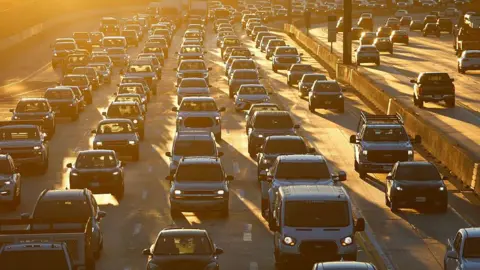
U.S. President Donald Trump has made headlines by revoking a significant scientific ruling from the previous administration that had deemed greenhouse gases a threat to public health. This 2009 ruling, known as the 'endangerment finding', supported federal measures aimed at controlling emissions, particularly from vehicles.
The White House hailed this decision as the 'largest deregulation in American history,' suggesting that it would lower costs for car manufacturers and consumers alike, claiming potential savings of up to $2,400 per vehicle. Administration officials argue that repealing this regulation would eliminate burdensome federal interference, thereby making cars cheaper.
However, opposition to the ruling is fierce. Environmental advocacy groups are preparing to challenge the repeal in court, citing it as the most significant rollback of climate regulations and a move that undermines crucial public health protections. Critics, including many climate experts and health organizations, warn that this will worsen air quality, leading to increased health issues including asthma attacks and premature deaths.
Speaking from the Oval Office, Trump characterized the previous finding as a detrimental policy of the Obama administration that harmed the auto industry and inflated prices for American consumers. He referred to associated climate initiatives as a 'Green New Scam', dismissing them as fraudulent.
The implications of this decision extend far beyond the automotive sector, as the endangerment finding formed the foundation for various emissions regulations across different industries, including energy and waste management. Experts are concerned about the potential for increased emissions and the long-term effects on climate change.
As this controversy unfolds, the legal landscape may shift significantly. Some anticipate legal challenges to this reversal, particularly given the finding's previous role in preventing states from imposing stricter emissions laws. The ultimate outcomes of these battles may redefine the landscape of climate regulation in the United States.