India's "Cockroach" Protest: Gen Z Demands Education Minister Resignation
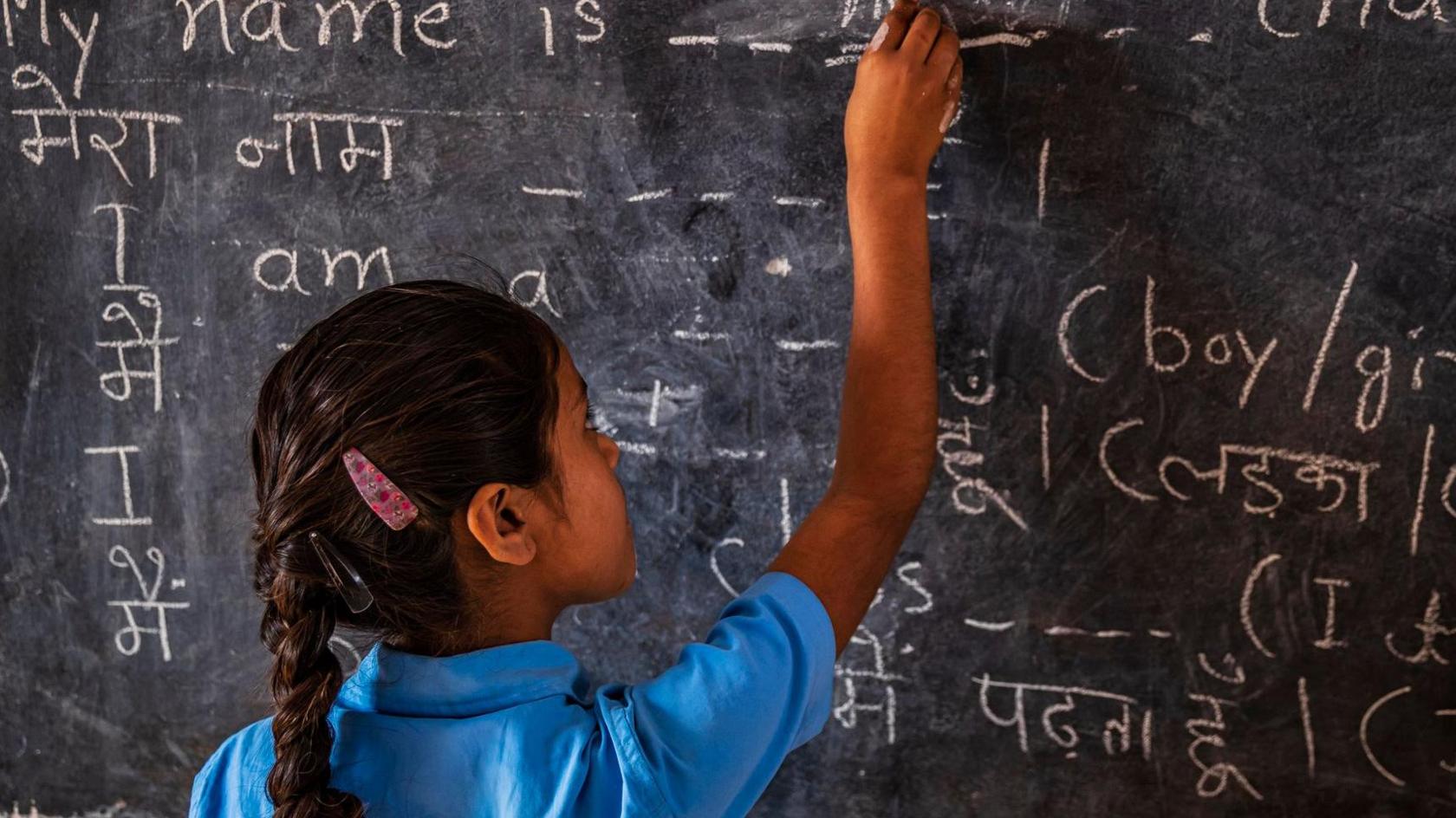
In late July, a spontaneous wave of street protests swept through Delhi and other Indian cities. Tens of thousands of Gen Z activists called for the resignation of Education Minister Akshay, citing systemic failures in the country’s schooling system as their primary grievance.
The mobilisation began almost a year ago as a satirical online movement known as the Cockroach Janta Party (CJP). What started as a meme about the resilience of cockroaches—animals that can survive in harsh conditions—evolved into a serious platform for organising youth‐led demonstrations. The party’s platform lists calls for increased teacher salaries, curriculum reforms and elimination of corruption in school admissions.
The choice of a cockroach as the party mascot is symbolic. According to spokespeople, the insect embodies tenacity, resourcefulness and the idea that even the most resilient creature can be cleaned and rehabilitated. In a way, the mascot represents the protesters’ belief that India’s educational system, like a cockroach, can be purged of corruption and given a fresh start.
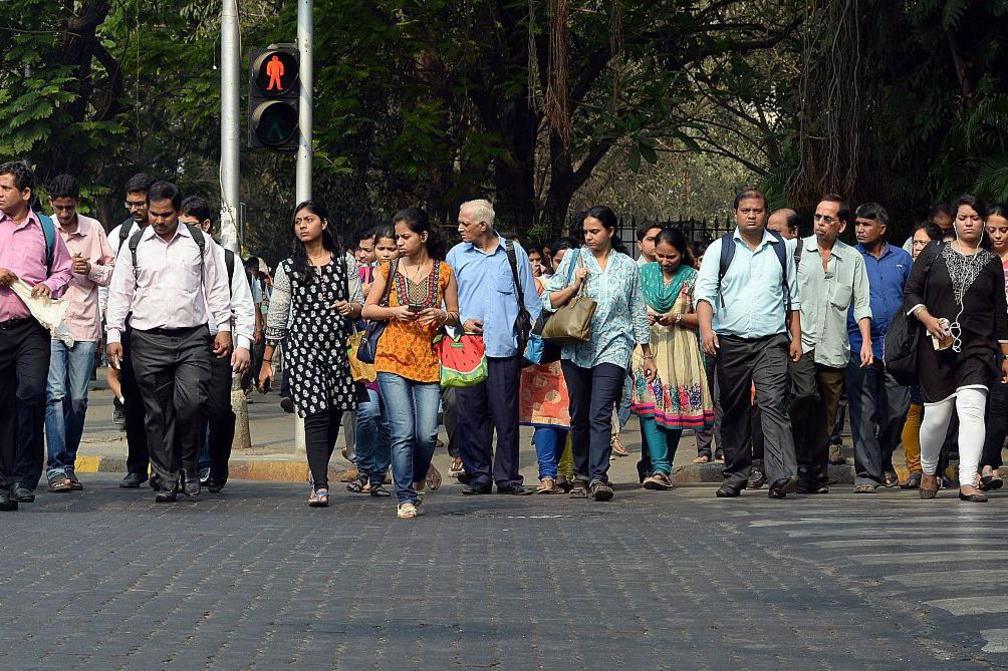
Hundreds of protesters streamed onto major roads, holding signs that read "Let the Cockroach Run Free," while chanting slogans that demanded immediate resignations, better funding for schools and lecturers, and a complete overhaul of the Ministry of Education’s policies. The sheer number of participants, mainly in their twenties and thirties, underscored a growing disenchantment with the status quo among the youth.
The Government’s response has been measured but cautious. Official statements have highlighted the Ministry’s plan to release a new education blueprint and to engage with student representatives to address concerns. No immediate changes in leadership were promised, although the minister’s tenure was reported to be under close scrutiny.
The protest is part of a broader pattern of youth‑led activism that has emerged worldwide in recent years, from school strikes for climate action to anti‑corruption movements in Europe. In India, however, the focus has shifted toward systemic educational reform, reflecting deep anxieties about the country’s future human capital.
With the movement still growing, observers will be watching to see whether the demand for the education minister’s resignation translates into concrete policy adjustments or remains a symbolic protest of public dissent.