In brief
India’s Supreme Court ruling recognizes walking as a fundamental right, highlighting the paradox of a country where millions walk daily yet city infrastructure remains car‑centric. The report details widespread shortcomings: broken pavements, blocked crossings and vehicle encroachments that endanger walkers, particularly women and the disabled. Accident statistics show pedestrians account for a significant share of road deaths, underscoring the urgent need for pedestrian‑friendly design. Experts advocate for narrower lanes, speed limits, and comprehensive street redesign to protect walkers and encourage sustainable mobility.
Walking, once a simple exercise of daily life, has become a battleground for India’s roads. In June, the Supreme Court recognised walking on protected footpaths as a fundamental right, striking at the heart of a rapidly‑modernising cityscape that operates almost exclusively for cars.
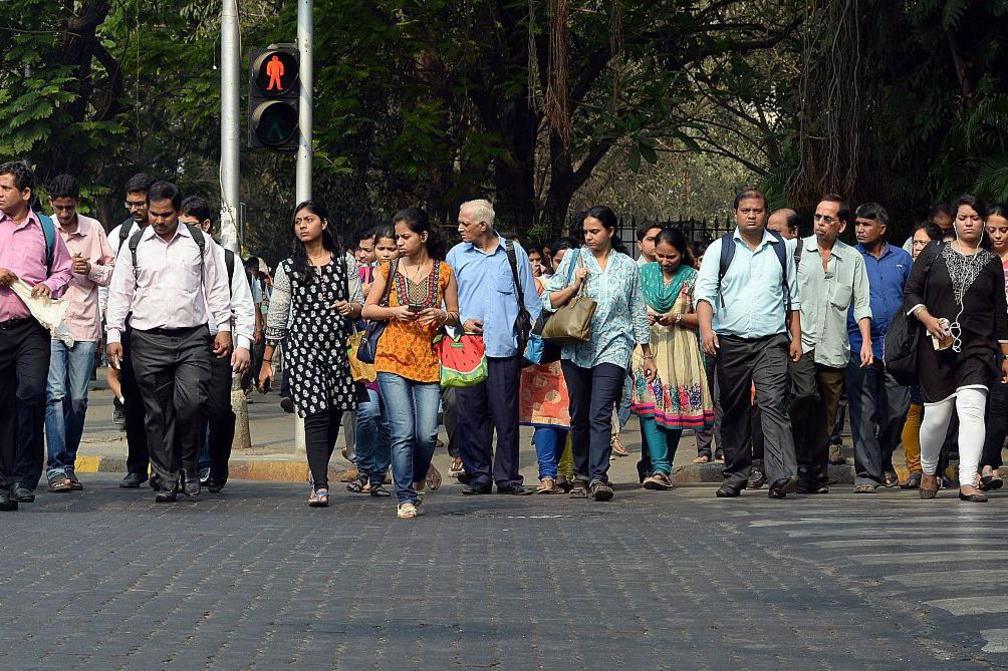
India is a nation of walkers. Roughly 45 million people commute each day on foot, far exceeding the 5.4 million who drive or use motorised transport. Yet the streets that should bear this massive traffic are designed to keep pedestrians at the margins: broken pavements, narrow walkways and eyes‑level crossings that are often blocked by parked vehicles or construction detours.
The Walkability in Indian Cities study by the Clean Air Initiative for Asian Cities scored a median 47 out of 100, with the starkest deficits found near public‑transport terminals—places where the bulk of active journeys begin and end. As Geetam Tiwari, a transport scholar at IIT Delhi, remarks, pedestrians are “pushed to the margins of the road networks,” forcing them into unsafe proximity with motor traffic.
The Court’s ruling was prompted by a tragic incident: a five‑year‑old boy was crushed by a truck while walking to school with his father. “Walking is the simplest of human activity, intrinsically connected to life,” Justice PS Narasimha said. “The fundamental right to walk on demarcated footpaths shall override the privilege of a motorised vehicle.”
Pedestrians now account for up to 30–40% of road fatalities, with Delhi and Mumbai seeing more than half of all deaths involving walk‑ers. The economic cost is estimated between 3‑5% of India’s GDP annually through lost productivity, medical expenses and disability.
Experts argue that solving this problem requires more than a court order. Speed limits of 30 km/h on city streets, lane‑reduction, and installation of traffic‑calming measures could transform roads into pedestrian‑friendly corridors. It also demands that footpaths be widened, lifted from underpasses and kept free of encroachment, and that walking infrastructure includes shaded routes, street‑vendor zones, benches for the elderly and play areas for children.
Walking is not just a means of transport; it is an act of resistance, a daily meditation, and a historical thread linking India’s past with its future. As Sumana Roy observes, “Every march in India’s history—Gandhi’s salt march, Bose’s Delhi Chalo, the quiet protests that followed—saw ordinary people walking on shoddy roads.” The Supreme Court’s decision is a call for cities that ask: how do we make walking safe, dignified, and everyday?