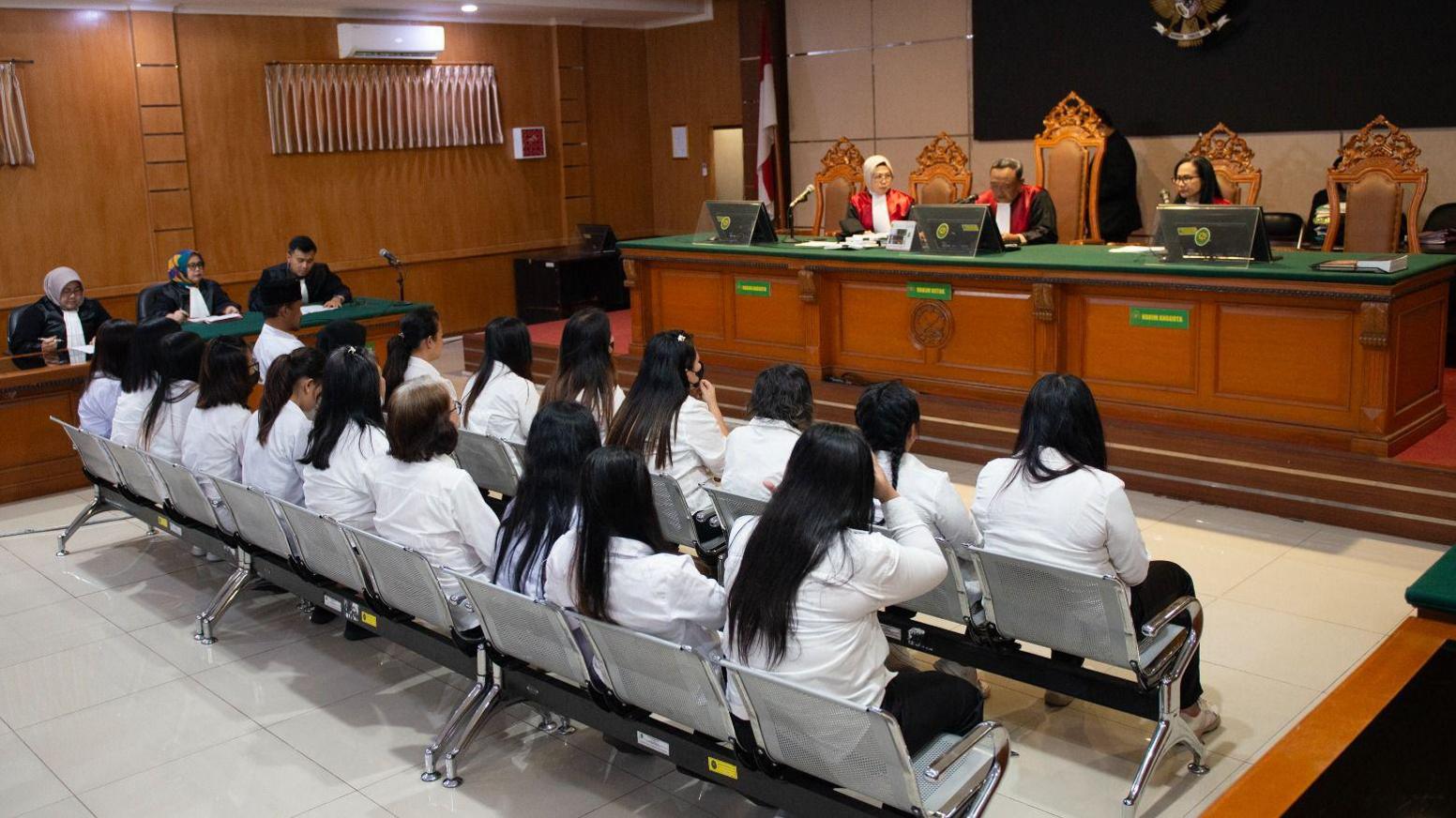
Indonesian trafficking ring convicted
On Tuesday, a Jakarta court found 19 people guilty of procuring at least 34 babies and selling them for adoption. Most were destined for Singapore, with an estimated 12 babies already there.
Decision dilemma
The verdict prompts a key question: should the children remain with Singaporean adoptive parents or be returned to Indonesia? Singaporean authorities assert that the best interests of the children will guide any decision, while Indonesian officials highlight the need to establish each child’s true identity.
The adoptive parents in Singapore, who had no idea the children were trafficked, are now waiting for a definitive outcome. One parent expressed, “We have spent almost a year in uncertainty and hope that authorities can decide soon based on the children’s well‑being.”
Legal complexities
Legal experts note that revoking an adoption order in Singapore is uncharted territory, as such orders are usually final. Courts might consider the psychological impact on the child, the length of time spent in Singapore, and the conditions in a possible Indonesian return.
Interviews with Indonesian law‑enforcement and child‑rights groups reveal that many trafficked children are placed in state care once returned, while some already reside in a Bandung orphanage. If a child’s biological parents cannot be identified, the decision on whether the child remains in Singapore or moves back remains fraught.
Overall, both nations face the dual challenge of safeguarding the children’s welfare and confronting the broader problem of child trafficking across borders. The case underscores the need for clearer cross‑border child‑protection frameworks and transparent adoption processes.