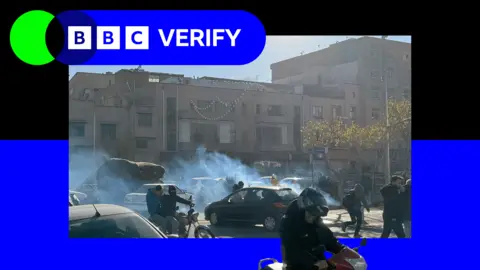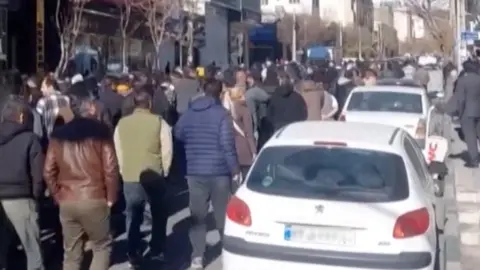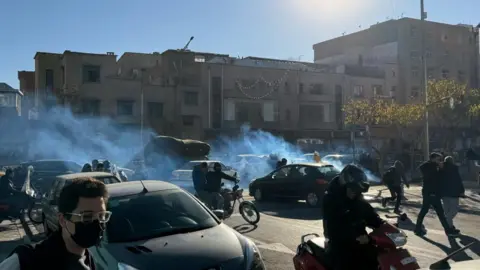
Iran is no stranger to street protests, but several factors surrounding the current unrest make it particularly serious. As demonstrations entered their ninth day, heightened public anger over skyrocketing prices and the devaluation of the local currency have ignited widespread discontent.
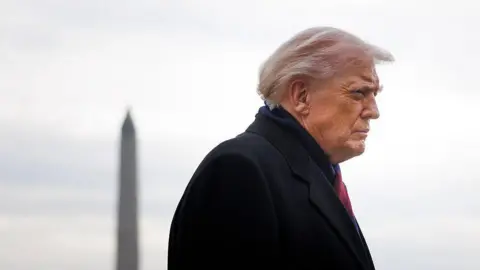
On Monday, US President Donald Trump issued a direct warning to Iranian leaders regarding their handling of protesters, stating the US was 'locked and loaded'. Such strong threats from a sitting president during ongoing protests are unusual and could further incite demonstrators.
The protests, initiated amid economic grievances stemming from a staggering 42% inflation rate and over 110% price rises on basic goods, have rapidly escalated. Initially, protests emerged in Tehran's Grand Bazaar as merchants sought stability amid fluctuating currencies.
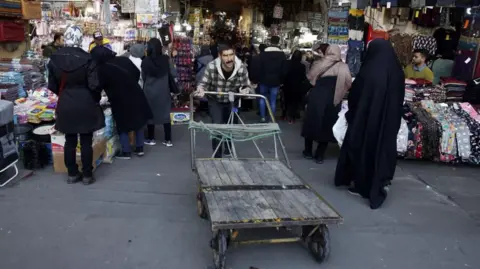
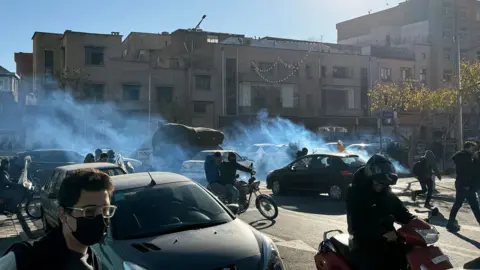
These economic-focused demonstrations quickly transformed into calls for political change, challenging the entire Islamic Republic. Reports indicate that over 20 individuals have died due to police responses, showcasing the regime’s heavy-handed tactics to suppress dissent.
International sanctions, particularly from the US, have significantly contributed to Iran's dire economic plight. Many citizens perceive high-ranking officials as beneficiaries of these sanctions, fueling allegations of corruption within the government.
The societal fabric is under strain as more Iranians rally in protest, including students and ordinary citizens from various backgrounds. Though reminiscent of the 'Mahsa Movement' protests following the death of Mahsa Amini, the current unrest has yet to match the intensity of these previous demonstrations.
Iran's political landscape appears precarious as external pressures mount and economic vulnerabilities deepen. With internal dissent rising and America's geopolitical stance hardening under Trump's administration, the future of Iran remains uncertain, raising questions about the regime's stability amid this critical juncture.