Protests have broken out in at least 17 of Iran's 31 provinces, presenting the largest challenge to the country's clerical establishment since 2022, a BBC Verify and BBC Persian analysis has found.
The BBC's analysis of protests includes only those for which we have verified video footage - the true number is almost certainly far higher. There are reports of protests in a further 11 provinces.
The wave of protests has spread rapidly across Iran since December 28, when anger initially broke out in the capital Tehran following a fresh and sharp devaluation of the country's currency against the dollar and other major foreign currencies.
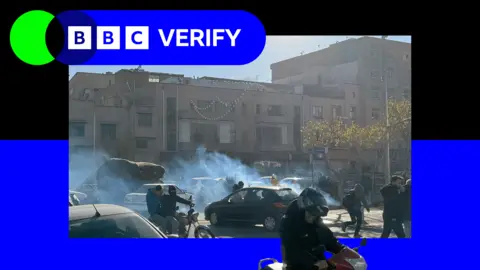
Verified footage from the last 10 days shows evidence of anti-government demonstrations and gatherings in more than 50 towns and cities across the country, including in regions previously thought to be loyal to the state.
More than 100 videos which have been geolocated and checked for publication date paint a picture of the scale of the unrest, with people taking to the streets in many major cities in Iran.
Authorities have historically responded to protests with violent crackdowns, as seen during the 2022 unrest, where over 550 people were reportedly killed by security forces. The latest indications suggest that security forces have escalated their use of violence in response to recent protests.
Despite the significant public outcry, experts note that the protests have not yet reached a point where they pose an existential threat to the government, with security forces remaining largely cohesive.
The situation remains fluid, and the response of the Iranian government, as well as the sentiment of the demonstrators, is evolving rapidly. This highlights a deepening divide between the government and its citizens amid ongoing economic challenges and calls for reform.