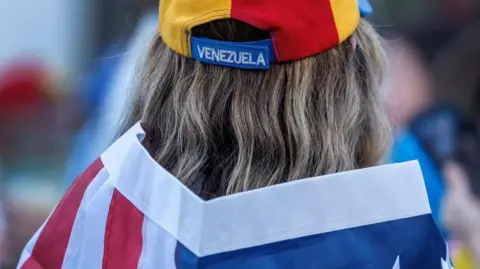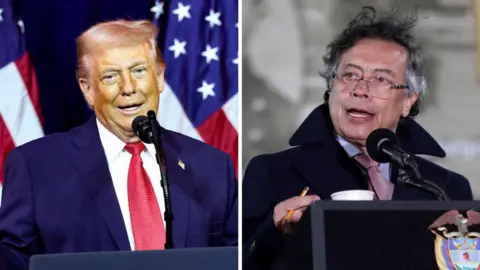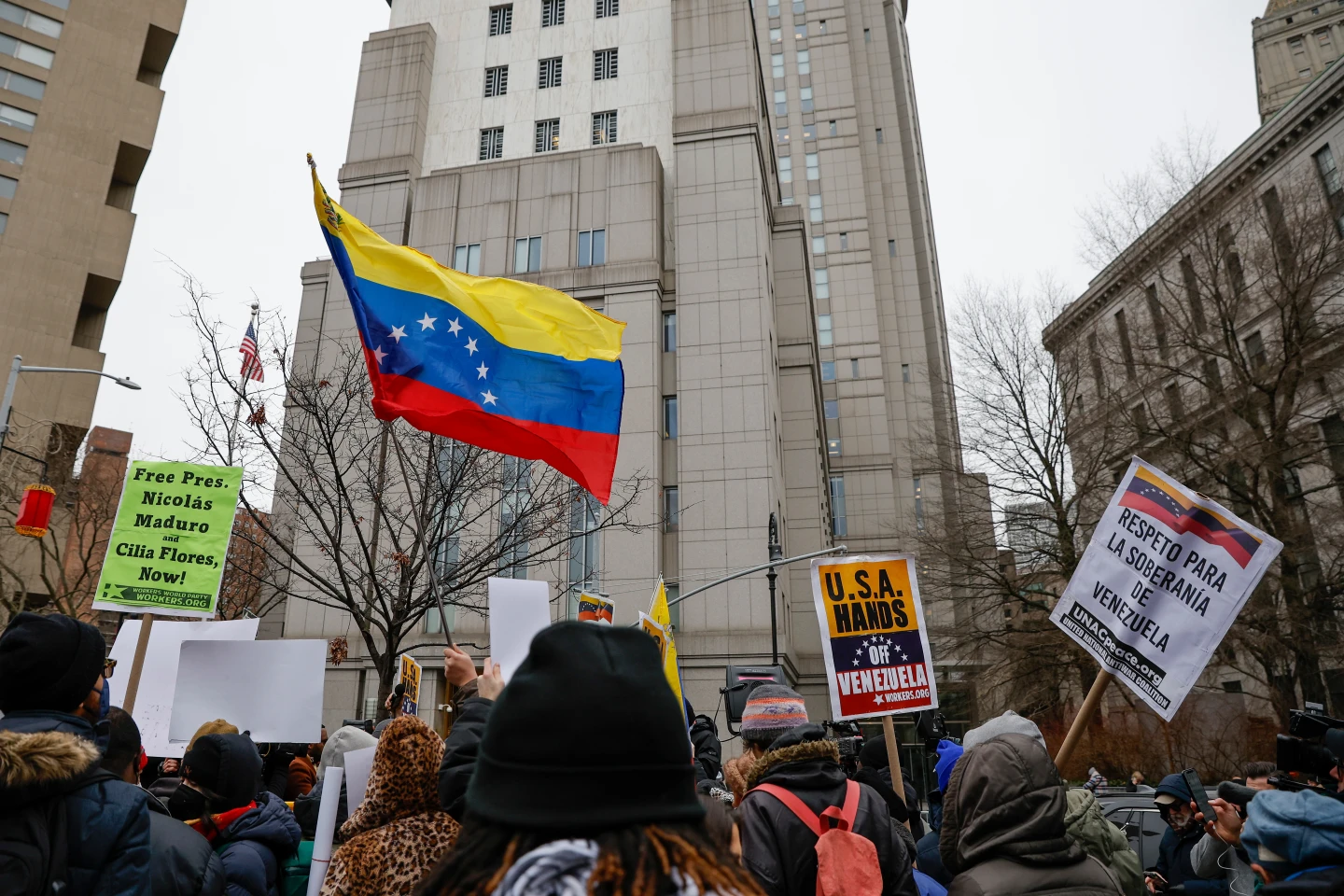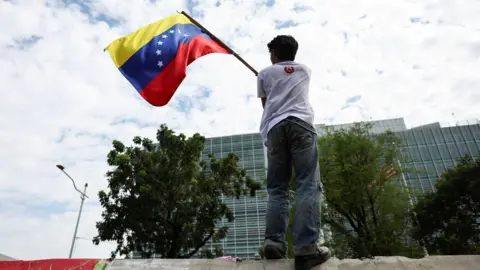
As Nicolás Maduro faces charges in the U.S. following his unexpected capture, Venezuelans are left to navigate an uncertain socio-political landscape. Some, like Marcelo, a student, express relief at what they perceive as an end to dictatorship but remain cautious of celebrating amid ongoing threats from Maduro loyalists still in power.
In Caracas and surrounding areas, the atmosphere is tense. Various residents, including Rosa Contreras, who expressed deep discontent at the ease of Maduro's removal, highlight a prevailing sense of fear and uncertainty. Many are concerned about the implications of U.S. military involvement and the possible repercussions on citizen safety and political stability.
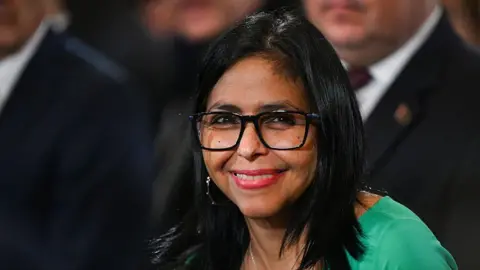
Reports indicate that while supporters are rallying, significant opposition voices remain silent—fearing retaliation by armed groups. The interim government, led by Maduro's vice-president Delcy Rodríguez, has already faced critiques for its continuation of repressive practices.
As the Venezuelan economy continues to struggle under the weight of years of mismanagement and sanctions, public opinion remains divided—some hopeful for foreign-assisted recovery, others skeptical of change with the same regime elements still in control. Opposing factions are grappling with the reality that, while Maduro's absence may signal a potential turning point, the journey to stability is fraught with peril.
In Caracas and surrounding areas, the atmosphere is tense. Various residents, including Rosa Contreras, who expressed deep discontent at the ease of Maduro's removal, highlight a prevailing sense of fear and uncertainty. Many are concerned about the implications of U.S. military involvement and the possible repercussions on citizen safety and political stability.
Reports indicate that while supporters are rallying, significant opposition voices remain silent—fearing retaliation by armed groups. The interim government, led by Maduro's vice-president Delcy Rodríguez, has already faced critiques for its continuation of repressive practices.
As the Venezuelan economy continues to struggle under the weight of years of mismanagement and sanctions, public opinion remains divided—some hopeful for foreign-assisted recovery, others skeptical of change with the same regime elements still in control. Opposing factions are grappling with the reality that, while Maduro's absence may signal a potential turning point, the journey to stability is fraught with peril.