In brief
As U.S. military tensions with Iran escalate, many Iranian-Americans, like Zainab Haider, are filled with anxiety over the safety of their families back home. With protests against the war and complex feelings towards U.S. actions, the community is navigating a landscape filled with uncertainty and moral dilemmas while President Trump approaches military positions.
Zainab Haider was driving home after work on Tuesday with her two young children, contemplating the safety of her relatives in Iran amid rising tensions from President Donald Trump's ultimatum. Conflicted emotions of anxiety, fear, and loneliness overtook her as others around her continued their lives with seemingly little concern for the unfolding situation.
Haider was left in a state of disbelief when Trump backed down from his threat, declaring that rather than unleashing destruction, he agreed to a two-week ceasefire in the ongoing conflict. This moment epitomized the erratic dynamics of U.S.-Iran relations, throwing Haider and countless other Iranian-Americans into a perpetual state of worry about their loved ones still in Iran.
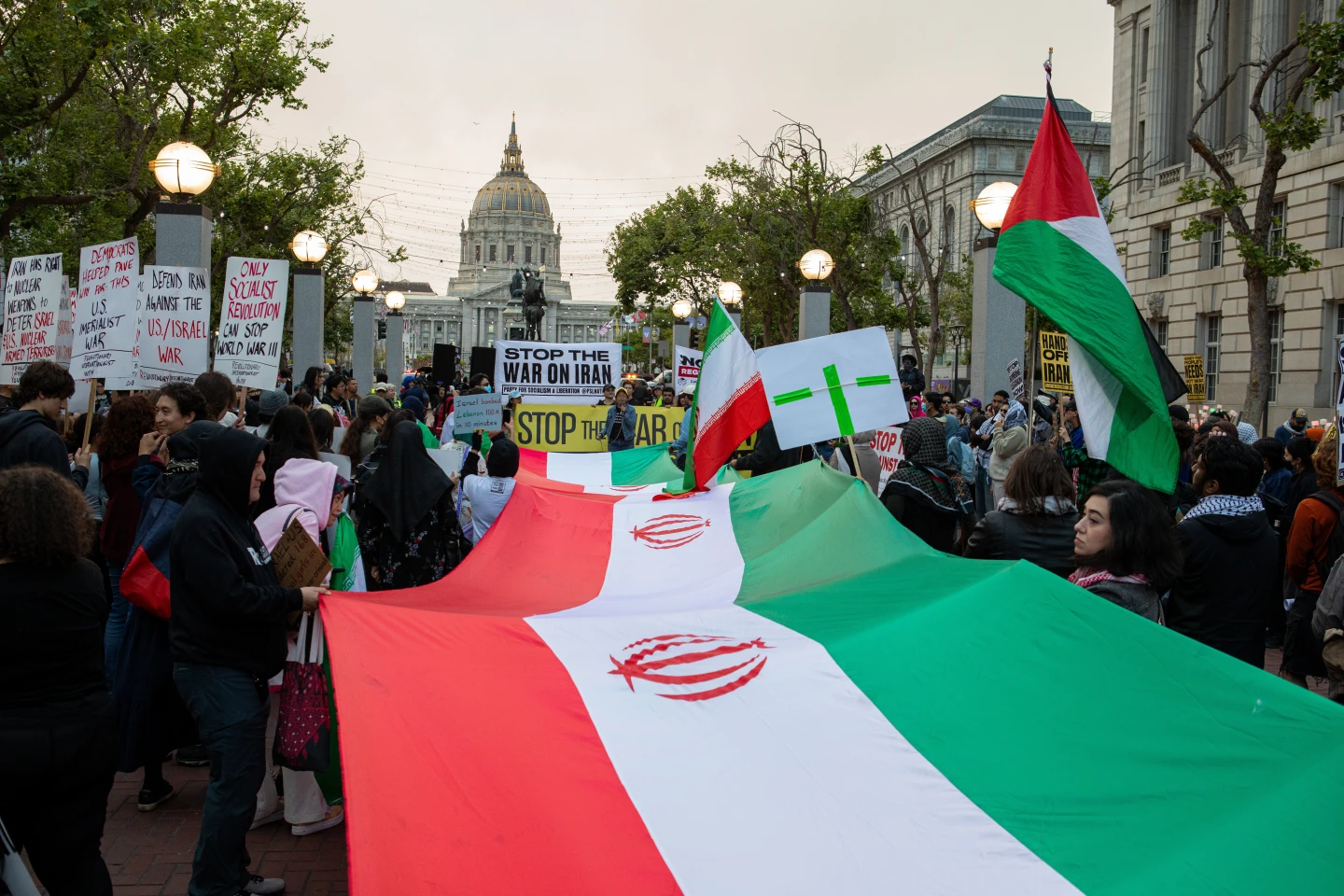
Many in the Iranian-American community, spurred by their fear and uncertainty, took to the streets for protests in several cities like Austin, New York, and Los Angeles, calling for an end to military aggression towards Iran. Their protests aim to put pressure on the administration, hoping to deter a return to aggressive posturing that might lead to further violence.
Supporters of the U.S. stance grapple with complex emotions. Roya Rastegar, an Iranian-American filmmaker, expressed the difficulty of discussing the conflict with family members. With roots in Iran and connections to those facing repression, both she and her wife are torn between wanting to see change in their homeland while being deeply worried about the humanitarian costs of potential military actions.
Across the board, Iranian-Americans share feelings of moral confusion and dread. With family torn between the oppressive Iranian regime and the threats posed by the U.S. government, the community remains uncertain about the future as they await decisions that could alter countless lives.