In brief
With internet blackouts in Iran hindering communication, Iranian American social media creators, like Ariana Afshar, are stepping up to provide insights into the conflict. This has given rise to a prominent online presence, albeit amid concerns over representing the voices of those still in Iran. The situation showcases the complexities of diaspora narratives and the challenge of conveying authentic experiences.
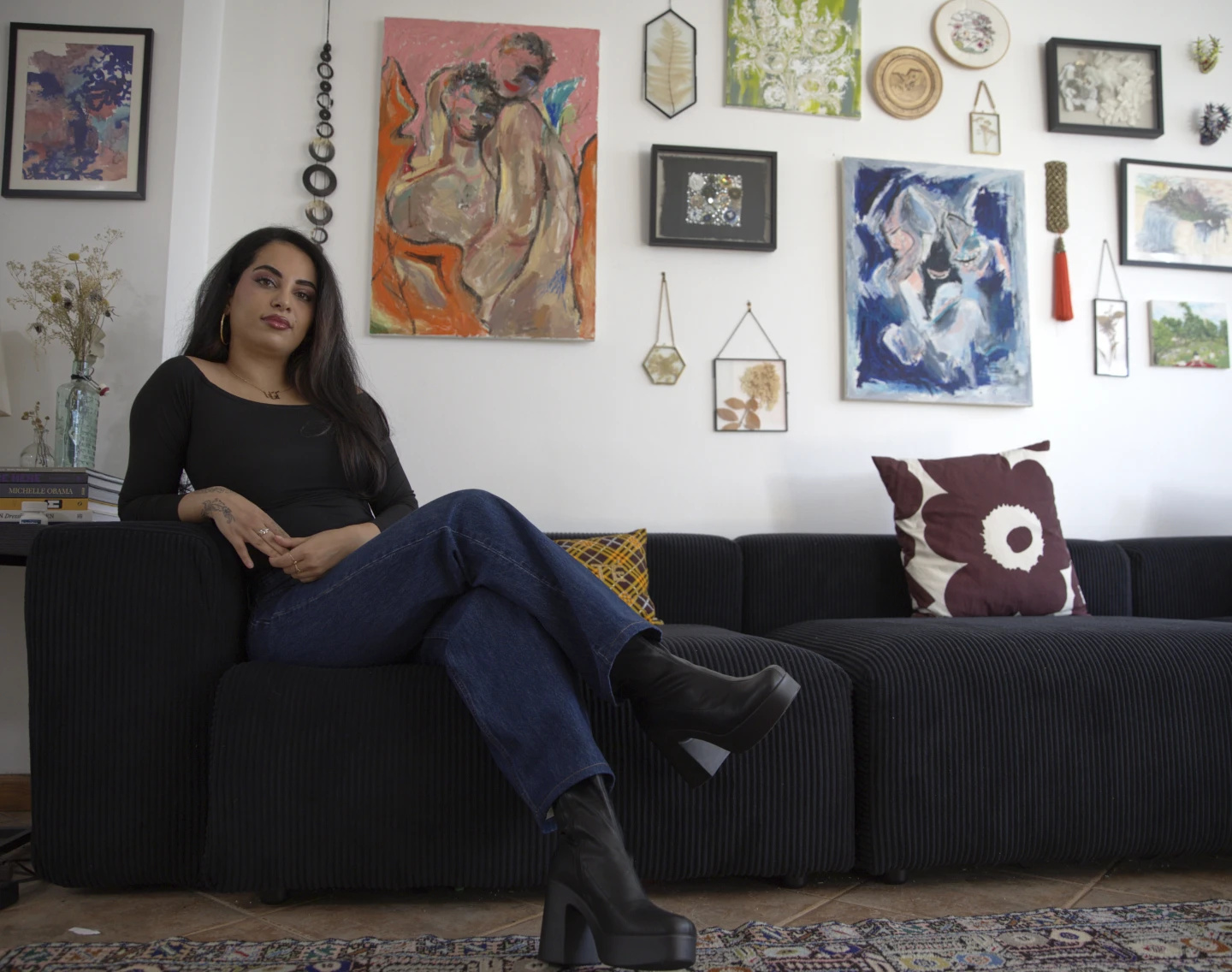
NEW YORK (AP) — In the context of an escalating conflict in the Middle East, Iranian American Ariana Afshar is striving to capture the sentiments of those back home in Iran. However, a severe internet blackout enforced by the Iranian government presents a significant barrier to her efforts.
Residing in New York, Afshar faces challenges in accurately reflecting the diverse and intricate perspectives of individuals still within Iran, where she once lived as a teenager and has family. The digital disconnection from Iran has unintentionally shifted the spotlight onto Iranian American social media creators, who increasingly take to online platforms to explain the complex history and the varied opinions of Iranian citizens through brief, engaging videos.
This surge in content corresponds with the heightened need for information in the U.S., where online searches asking, “Why are we at war with Iran?” saw a staggering 3,000% increase in the early weeks of the conflict, according to Google Search Trends.
Yet, while these creators play a significant role in voicing their views, the dominance of external perspectives has also contributed to deepening divides within the Iranian diaspora, which counts around 750,000 individuals in the U.S., as reported by the Pew Research Center.
Some creators, like Afshar, make efforts to navigate this challenging landscape, wary of misrepresenting the experiences of Iranians. “I think it’s a huge problem among the Iranian diaspora, where they speak for Iranians a lot. I don’t want to fall into that,” she remarks, having garnered a notable following on platforms like Instagram and TikTok.
The challenges are compounded by the reluctance of many in her network to openly discuss their opinions about the war and the regime in Iran due to fear of government repercussions.
"Content creators cannot thoroughly access the people's opinions in Iran," Afshar expressed.
Conversely, there are creators who support military actions against Iran, positing that the fear of conflict is eclipsed by the oppressive actions of the Iranian regime. In stark contrast, others voice concerns over the devastating humanitarian impact of warfare, referencing prior U.S. military engagements in the Middle East as cautionary tales.
In the midst of this, prominent Iranian figures remark on the substantial responsibility that falls on the Iranian diaspora to accurately articulate the complexities surrounding the conflict. Babak Rahimi, a culture and technology professor, states, “The outside media, especially Iranian diaspora, are playing a major role” driven more by emotion than objective journalism.
As communication barriers persist, varying narratives and disinformation proliferate within online forums and messaging apps, complicating the understanding of the conflict. Despite these challenges, fleeting narratives from inside Iran occasionally manage to pierce through the digital silences, revealing urgent demands for authentic accounts.
A 35-year-old Iranian living in New York shared insights about her family members’ attempts to convey their experiences amidst the chaos, highlighting stark contrasts between the perspectives of those engaging with the conflict from afar versus those living it daily.
The situation has spurred a myriad of voices from the diaspora, including creators like Ciara Moezidis, who find themselves navigating a deeply fragmented narrative landscape. This setting gives rise to conflicting portrayals and insights, capturing the complex emotions surrounding the realities of war, support for the protests, and the overarching quest for understanding.
Narratives are rife among Iranian Americans, many of whom now strive to present a united front in support for those facing oppression within their homeland, hoping to remind those in Iran of their solidarity and empathy.