Iranians Divided on US Intervention Amid Unrest
As protests erupt in Iran questioning the government's authority, opinions on possible US intervention vary broadly among Iranians both at home and abroad.
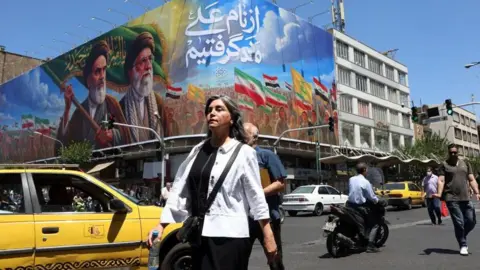
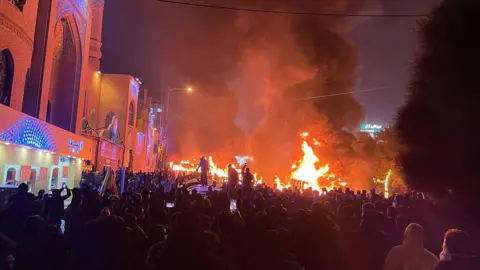
Protests began in late December, unleashing widespread discontent over economic hardship exacerbated by a plunging currency. These demonstrations rapidly evolved from economic grievances to calls for an end to the Islamic Republic. The crackdown by security forces has drawn international attention and spurred debate about the role the US could and should play.
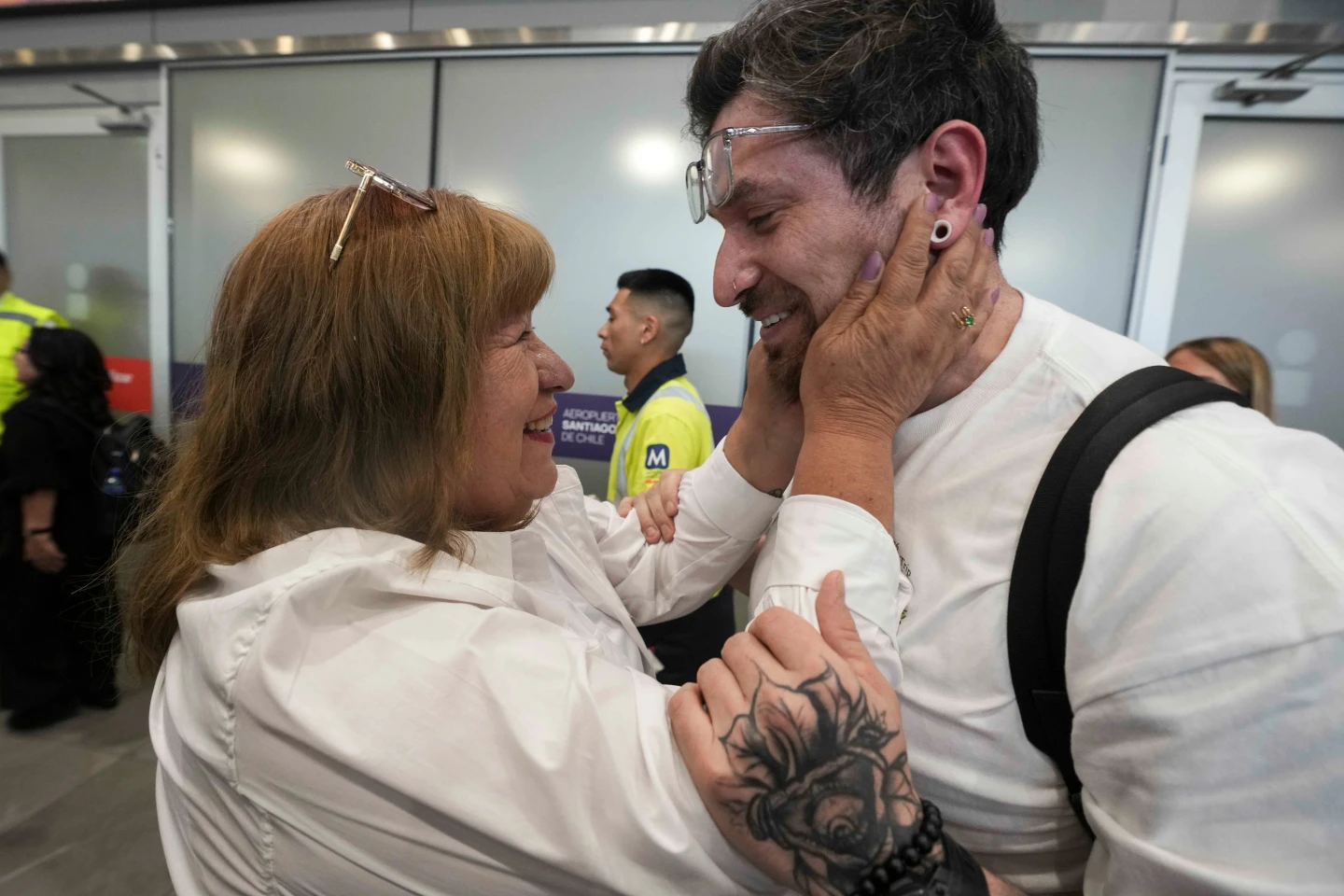
For some Iranians living abroad, such as Shirin, a Californian advocate for intervention, the events are too dire to ignore. “If the international community truly wants to stop the violence... action is required,” she emphasized. Conversely, others like Roozbeh Farahanipour express concern that US actions could harm loved ones still living under the regime.
Amidst tensions, Iranian-American couple Mojdeh and her husband shared harrowing personal experiences of being trapped in Tehran as protests intensified, stating, “Life was on pause,” reflecting the chaos gripping the city as authorities sought to silence dissent.
While some demand immediate action, others warn against the repercussions of intervention, advocating instead for change to emerge from the Iranian populace. Many believe that without external pressure, the regime's oppressive grip will only tighten, perpetuating a cycle of violence with no end in sight.
Regardless of where they stand on intervention, Iranians are united in their hope for a better future, often feeling that their collective desperation is at a tipping point. The ongoing crisis invokes questions of morality and the complicated history of foreign involvement in their nation's struggles.
As dissent grows amid international discourse regarding US involvement, the narrative remains fluid — marked by grief, resolve, and an urgent plea for justice within Iran.