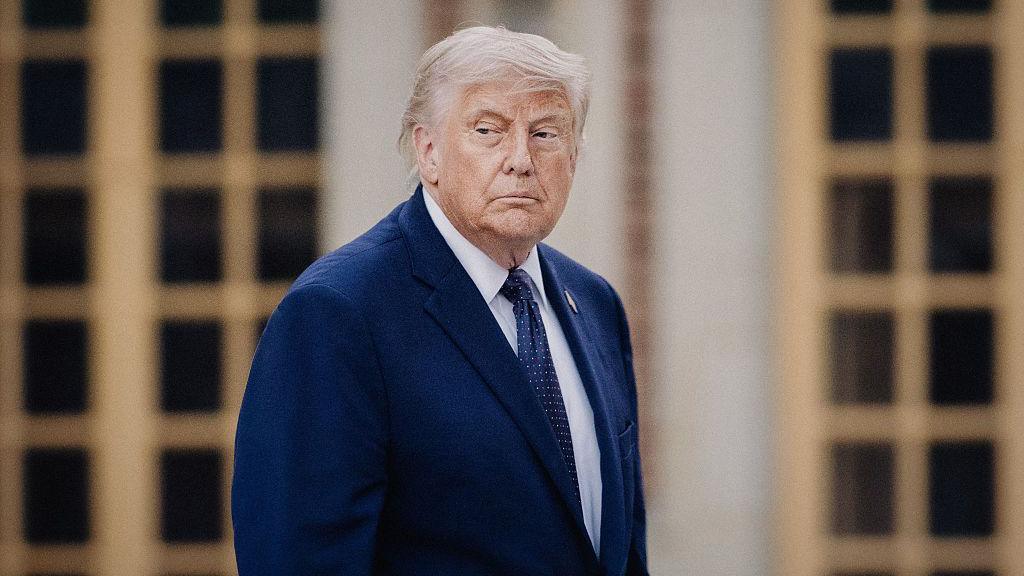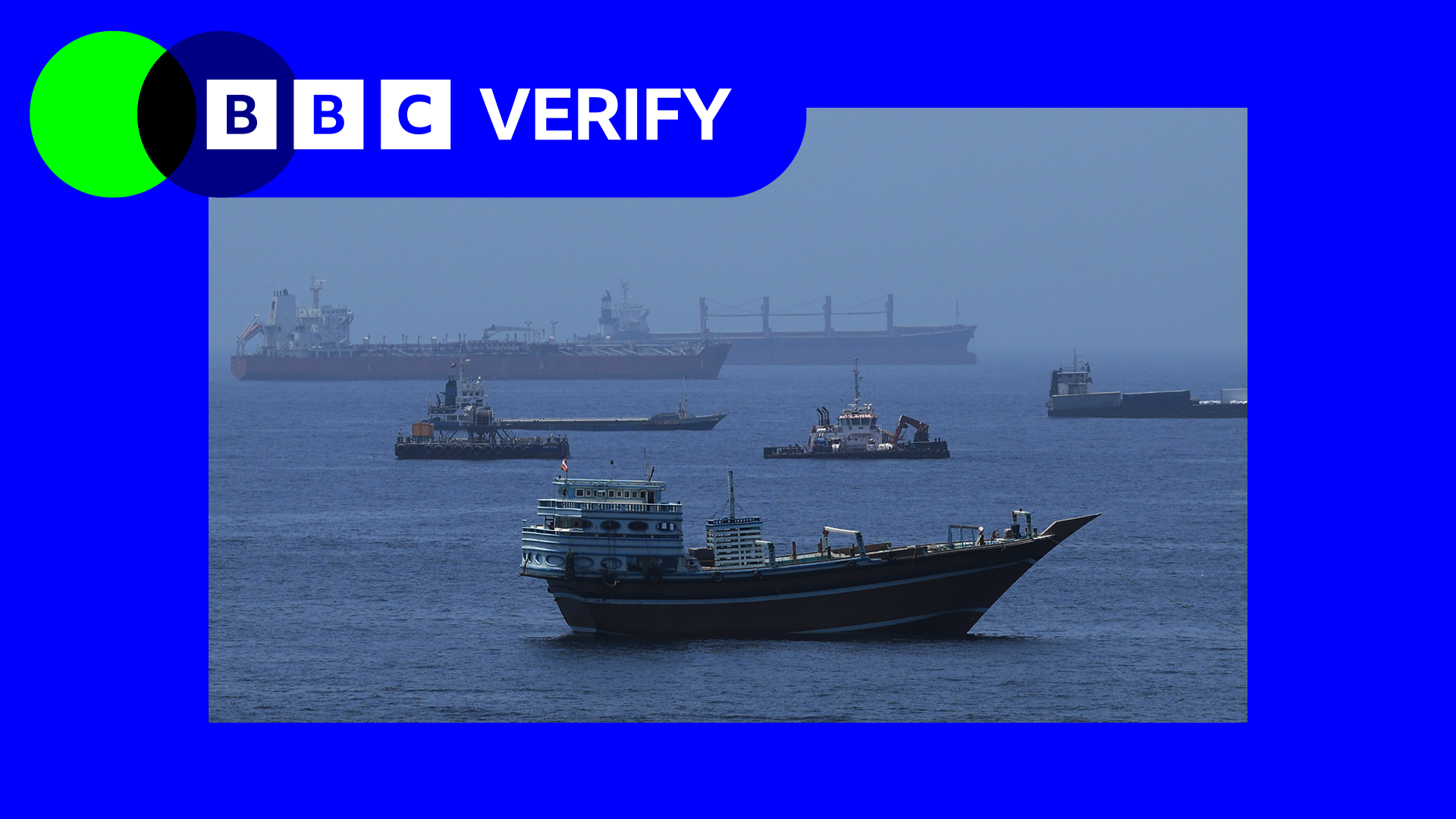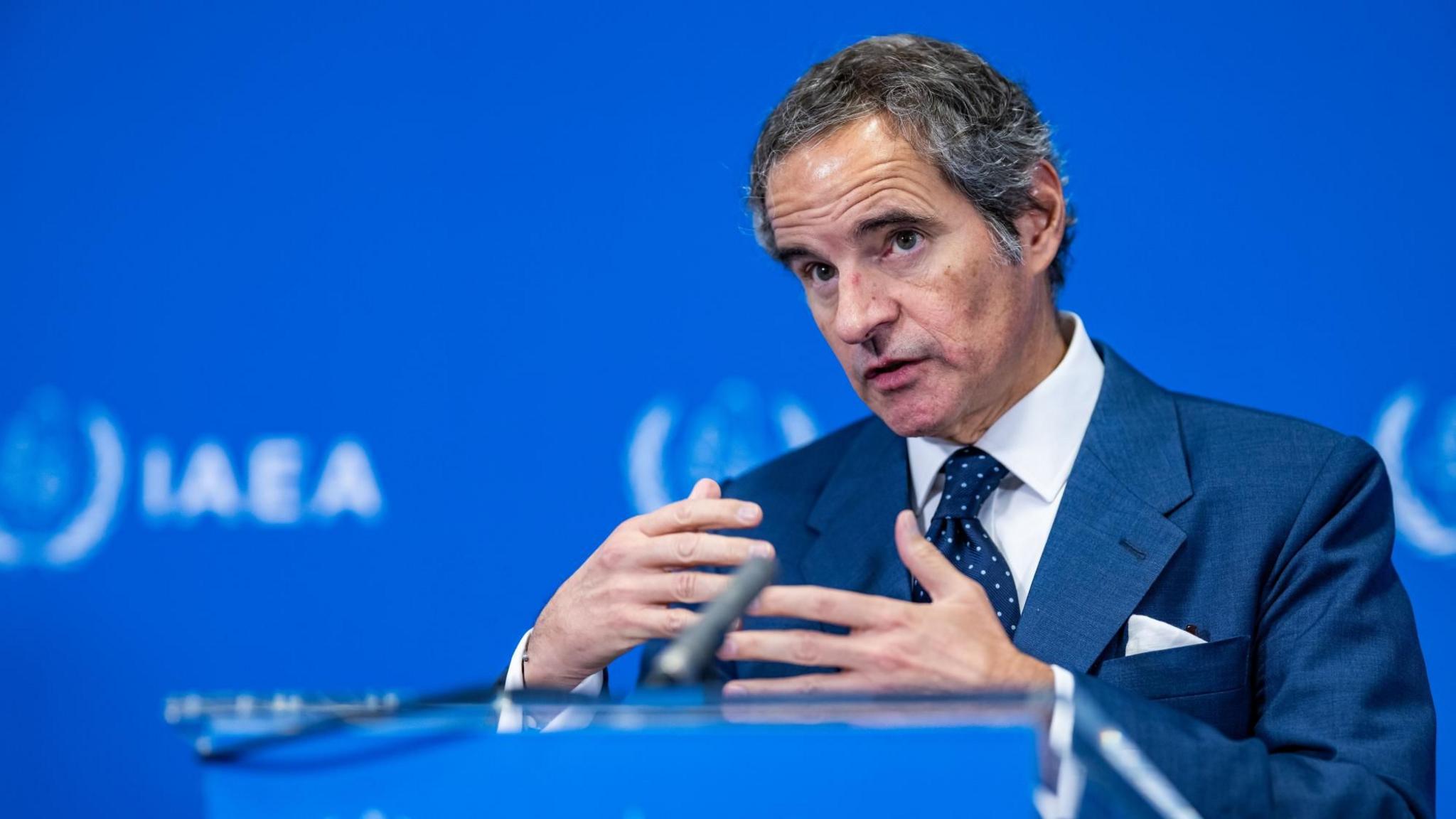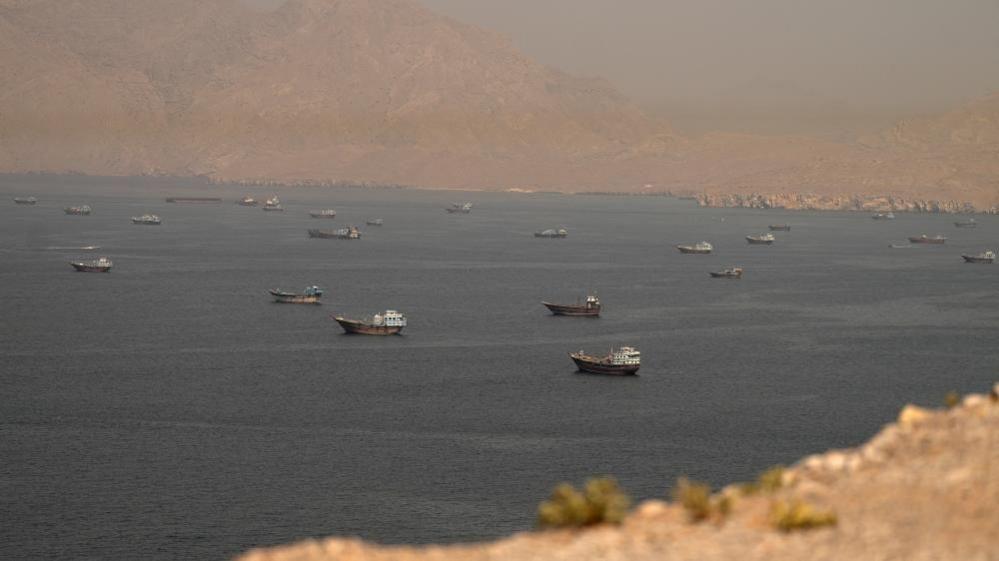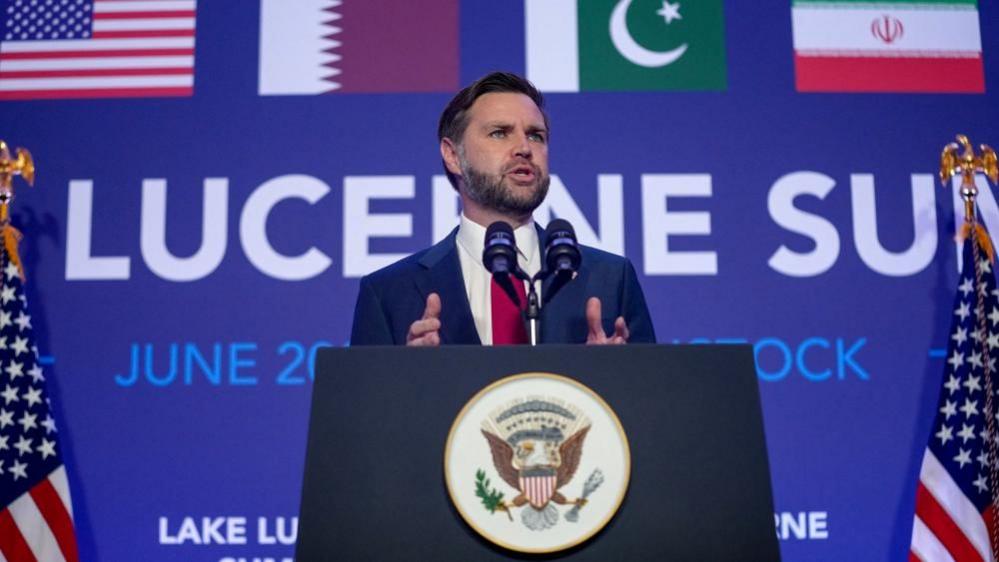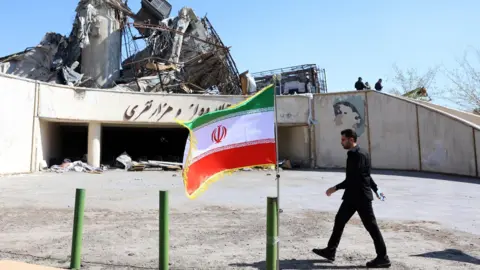
As tensions rise in the Middle East, ordinary Iranians are bracing for the impact of potential U.S. military strikes. Following President Trump's threats to destroy Iran's power plants and bridges unless it opens the Strait of Hormuz, the mood among citizens has turned anxious and fearful. Trump's recent social media post proclaimed a specific deadline for these strikes, which has prompted dire concerns regarding the future of everyday life in Iran.
Iranians have been vocal about their fears, with one resident named Kasra stating, “It feels like we’re sinking deeper into a swamp. What can we do as ordinary people? We can't do anything.” Meanwhile, others are taking precautionary measures like stockpiling essential supplies as they anticipate disruptions to vital services such as water and electricity.
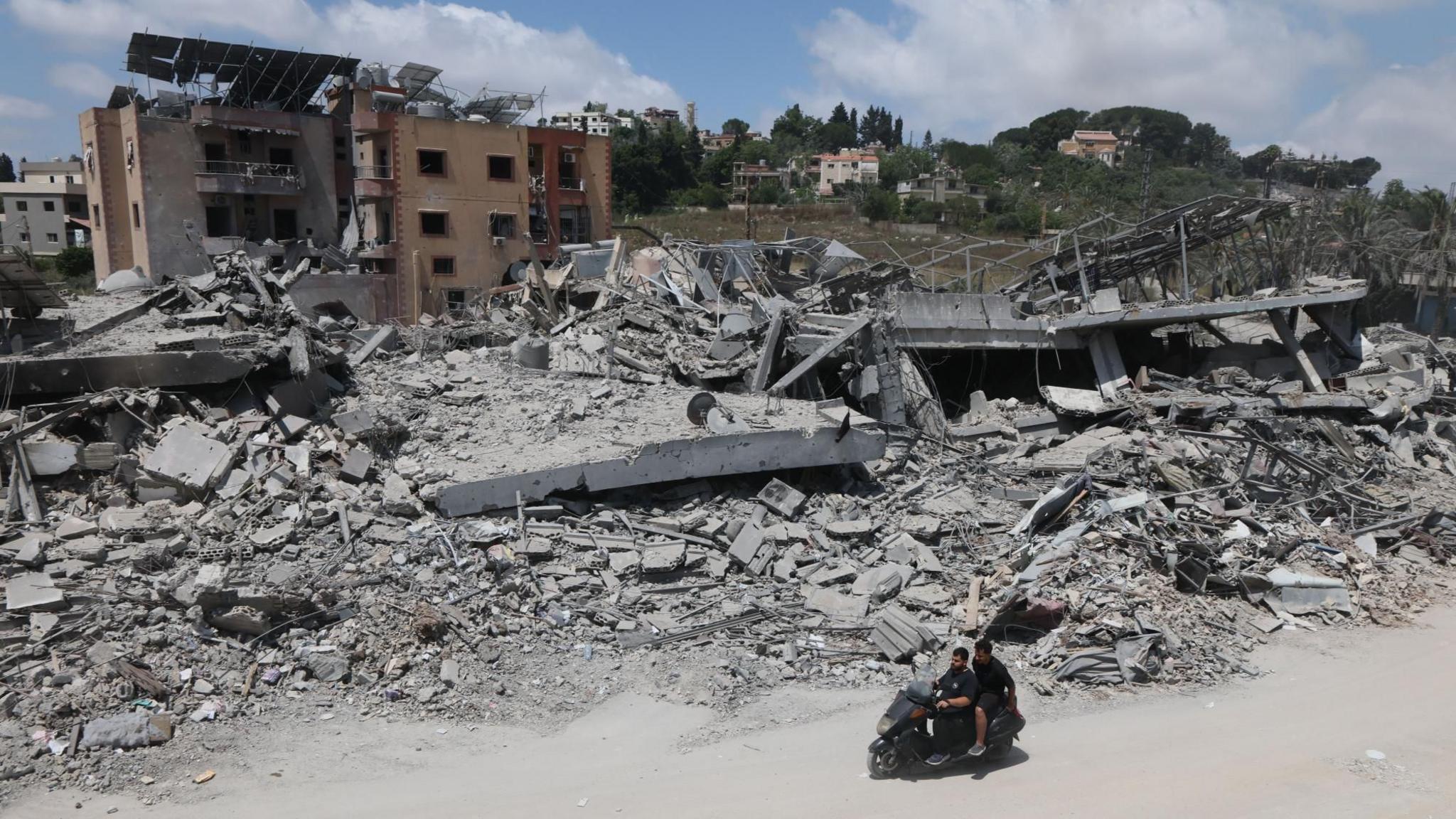
Despite officials dismissing Trump's threats as 'sheer desperation,' many citizens feel a genuine dread of impending violence and the possible fallout. There is a marked contradiction in responses, as some in Iran initially viewed U.S. and Israeli strikes on their infrastructure as a potential form of aid against their own government, yet the reality of destruction has created a broader consensus against such attacks.
The impacts of the situation extend beyond the immediate threats. As businesses slow and uncertainty looms, many Iranians report deteriorating economic conditions. The cost of living continues to rise, exacerbated by fears of conflict affecting employment and basic necessities. Those in industries reliant on stability, such as construction and food service, articulate their impending crises, with some unable to see a path forward amidst such turmoil.
In conversations with various citizens, perspectives on Trump’s threats range from anger and resentment towards U.S. policies to pragmatic acceptance of the geopolitical chess game being played. Regardless of individual views, the ripple effects of a potential military strike are immediately palpable, with concerns of escalating violence and humanitarian crises underscoring the precarious situation.