In brief
On election day, Israel shut every West Bank land crossing and barred access to Palestinian workers following the killing of two soldiers. The Israel Defense Forces launched a sweeping operation in Hebron, demolishing homes and freeing displaced residents. Palestinian communities reported collective punishment, while Israeli officials emphasized security and electoral considerations. The crackdown drew protests in Jerusalem and Tel Aviv, reflecting deep societal divisions.
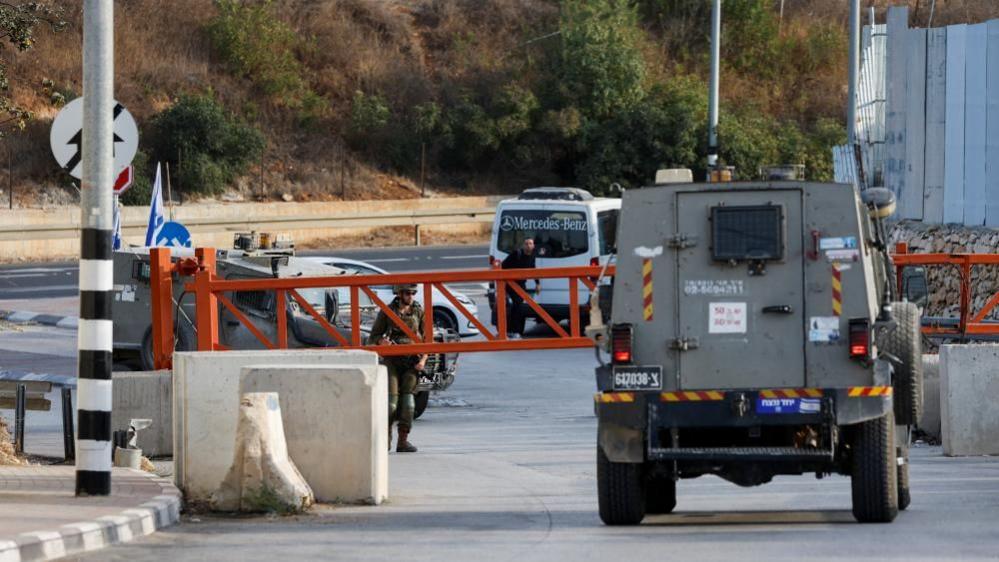
Israel announced that all land crossings into the West Bank will be closed for the entire election day, adding a new restriction that bars Palestinian workers from entering settlements. The move follows a militant attack in a Palestinian‑controlled area of the West Bank that killed two Israeli soldiers on a checkpoint.
According to the Israel Defense Forces (IDF), a ban on the entry and exit of Palestinian workers throughout Judea, Samaria, and the Jordan Valley has been implemented, with industrial zones exempted. Most workers were also barred from settlements earlier in the week, a restriction eased only in a handful of specific locations.
Prior to the Hamas siege of October 7, 2023, more than 100,000 Palestinian workers were allowed to cross into Israel. Since then, only a minority have had their work permits restored, tightening the already strained labor market.
Prime Minister Benjamin Netanyahu declared a major operation on Friday following a shooting that killed two soldiers, injuring three others. The IDF subsequently began a sweeping demolitions campaign in Hebron, citing homes of suspected militants. Israel’s defence minister, Israel Katz, said roughly 2,000 residents were displaced by these actions, with footage presented online showing a complete street flattened.
Hebron’s residents have warned that the operation is an effort to secure the far‑right vote, while Israeli officials justify it as a necessary response to security threats. The city’s mayor, Youssef al‑Jaabari, attributed the crackdown to the upcoming elections and expressed concerns over rising settler support.
The provincial crackdown coincides with intense political tensions. On Tuesday, thousands filled Tel Aviv’s streets for a large anti‑government demonstration organised by the October Council, a group formed by families of victims and hostages from the October 7 attack. The group demanded accountability for the government’s failure to prevent the storming of Israeli territory.
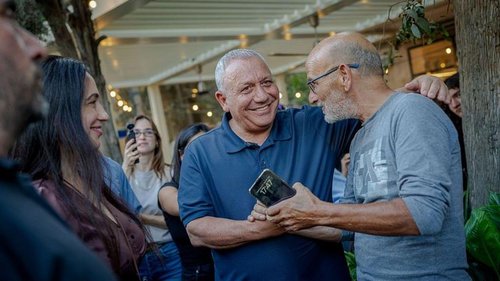
The protest attracted leaders from four major opposition parties and the former chief of staff, Gadi Eisenkot, as they campaigned for reassessment of the current security approach. These voices call for a broader, cross‑party engagement to address underlying conflicts and to hold a commission of inquiry into the security failures that led to the outbreak of violence.