In brief
The Israel Defence Forces announced the closure of all West Bank land crossings on election day as a response to a recent attack that killed two Israeli soldiers. Palestinian workers were barred from entering settlements and industrial zones, disrupting livelihoods for more than 100,000 people who had previously worked in Israel. The ban follows a broader crackdown that has seen demolition of homes in Hebron, with several families displaced. Meanwhile, Israeli opposition and pro-Palestinian groups have mobilised protests in Tel Aviv, demanding accountability for the state’s security response. International observers warn that the measures risk intensifying conflict and violating human rights norms.
Israel Closes West Bank Crossings on Election Day, Heightening Tensions
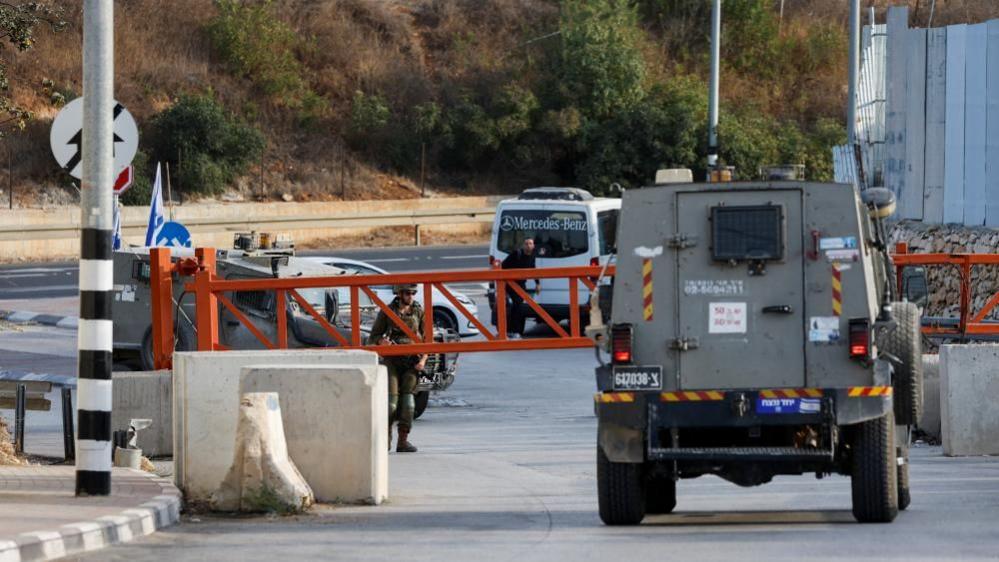
The Israel Defence Forces (IDF) announced on Tuesday that it would shut down all land crossings into the West Bank for the duration of the national election, while simultaneously banning Palestinian workers from entering Israeli settlements and industrial zones.
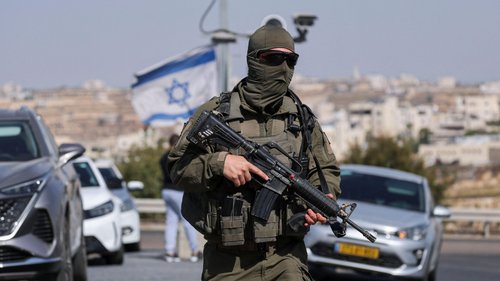
The decision follows the killing of two Israeli soldiers by Palestinian gunmen in a checkpoint attack on Sunday, an event that prompted Prime Minister Benjamin Netanyahu to declare a major military operation and to target what he described as “terrorist elements.”
According to the IDF, the ban covers the territory known to most as Judea and Samaria and extends to the Jordan Valley. Workers who had previously been allowed to work in Israeli cities – more than 100,000 before the October 7, 2023 assault on Israel – now find themselves unable to obtain the permits required to cross the borders.
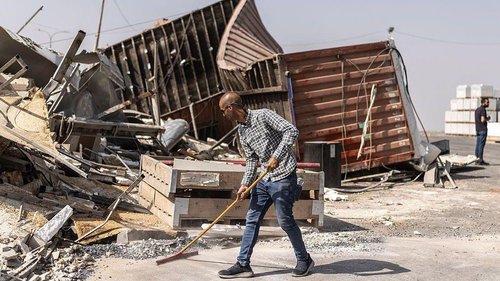
Israeli forces have already begun demolishing homes in Hebron, an operation that has displaced roughly 2,000 residents and flattened at least one entire street, as shown by footage shared online. Human rights groups label such demolitions as collective punishment and have called for an international inquiry.
From a security standpoint, Israeli officials argue the closures and ban are necessary to prevent further attacks and to protect the integrity of the election process. Opponents within Israel and among Palestinian communities see the measures as disproportionate and punitive, exacerbating the economic and humanitarian strain on an already vulnerable population.
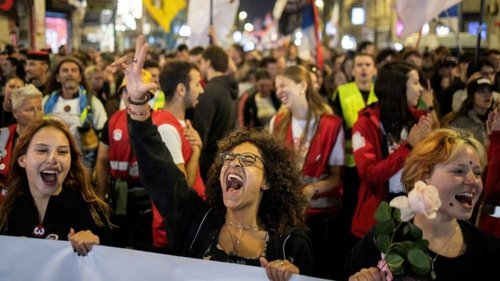
The political drama has also inflamed domestic dissent: on Saturday, thousands gathered in Tel Aviv to protest the government’s handling of the wartime crisis and its failure to prevent the October 7 attack. The demonstration was organised by the October Council, a coalition of families affected by the conflict, and included leaders from all four opposition parties. They demanded accountability and an inquiry into the administration’s security policies.
The timing of the crackdown – three days before the election – and its intensity have drawn criticism from international observers who fear it could undermine democratic processes and deepen divisions. At the same time, the IDF maintains that restoring security and ensuring a peaceful transfer of power is paramount, even if it requires short‑term hardships for Palestinian workers.
As Israel moves to vote, the region remains on edge. The fate of workers, the legality of house demolitions, and the conduct of the forthcoming elections will be closely watched by the world’s diplomatic community, human rights organisations, and local residents alike.