In brief
Israel's upcoming vote is more than a domestic contest; it could redefine the country's Gaza policy, influencing humanitarian conditions, regional stability and the global diplomatic order. Analysts note a stark difference between Netanyahu’s hard‑line approach and Eisenkov’s moderate stance, which may shift alliances in Washington, Paris and Riyadh. A hard‑line victory could spark renewed tensions, while a moderate win might open doors to renewed negotiations. The election therefore sits at the nexus of security, human rights and international diplomacy.


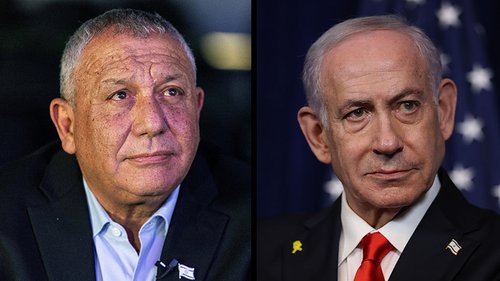
Israel’s 2026 election, contested chiefly between long‑time leader Benjamin Netanyahu and former army chief Gadi Eisenkov, has become a global indicator of the future trajectory of the Gaza Strip and the wider Middle East.
According to recent polls, the race is a tight one, but analysts say the two leaders differ sharply on foreign policy. Netanyahu’s record has seen him pursue a hard‑line stance on Gaza—supporting continued military pressure and a hard‑line approach to the West Bank—while Eisenkov, known for his military experience, has signaled a preference for renewed diplomatic talks and humanitarian relief.
A Netanyahu victory would likely mean a continuation of the status quo: a sustained blockade of Gaza, limited ceasefire agreements, and a hard‑line posture in negotiations with the Palestinian Authority. Conversely, Eisenkov’s potential success could open the door to a new ceasefire framework, greater reconstruction aid for Gaza and a shift in how Israel engages with Egypt, Jordan and Riyadh.
The election’s outcome also carries ramifications for international diplomacy. In Washington, a hard‑line winner would be welcomed by hawkish policy makers who argue that pressure is necessary to curb Iran’s influence, whereas moderate prospects would appeal to the Biden administration’s broader human‑rights agenda. In Paris and Berlin, the government’s posture toward Gaza will influence Europe’s approach to arms sales and aid allocations.
Implications for Gaza include:
- Reinforcement or loosening of the blockade
- Levels of humanitarian aid and reconstruction spending
- Potential for long‑term ceasefire agreements
- Impact on Gaza’s political organizations and their unity
Ultimately, Israel’s election is more than a domestic affair—it is a bellwether for Gaza’s security, regional stability, and the broader discourse on responsible governance in the Middle East.
Source: BBC News, James Landale, Jerusalem