In brief
Japan has executed Sunao Takami, convicted for a 2009 pachinko parlour fire that killed four customers and one employee. Scheduled in 2011, the sentence was carried out this week marking the first execution in more than a year. The country remains one of only two G7 nations with capital punishment, and the death row inmates are typically informed of their execution a few hours before it occurs. Public opinion supports the penalty, while rights groups criticize lack of transparency and the solitary confinement of death‑row prisoners.
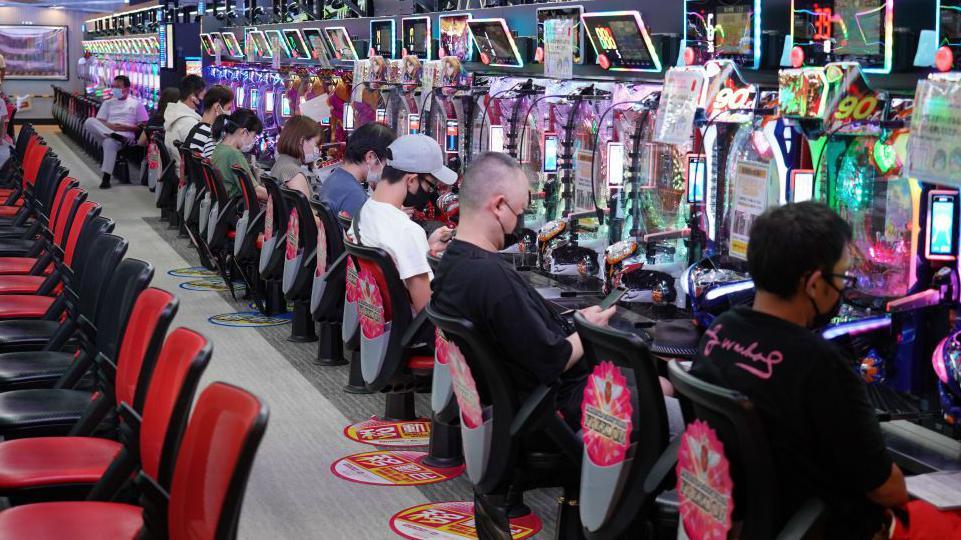
Japan has carried out the death‑sentence of Sunao Takami, a 58‑year‑old former employee convicted of setting fire to a pachinko gaming parlour in 2009 that killed five people.
Takami poured gasoline onto the building and lit it, killing four customers and one staff member. In June 2011, a jury and three judges found him guilty and sentenced him to death, rejecting the defence's claim of mental illness.
Japan and the United States are the only G7 countries still enforcing capital punishment. Japanese law typically informs inmates of their execution only a few hours before it takes place, continuing the practice of maximum secrecy.
‘We ordered the execution after careful and thorough consideration,’ said Justice Minister Hiroshi Hiraguchi on Friday, marking the first sentence in this administration.
Last year, Japan executed Takahiro Shiraishi, a man who murdered nine people in 2017 and later earned the nickname ‘Twitter killer’. The most recent execution demonstrates the country’s continued use of death sentences for serious crimes.
Public opinion polls in Japan show strong support for capital punishment. However, rights groups criticize the solitary confinement of death‑row inmates for long periods and the lack of transparency around execution dates.