Japan has relaxed decades-old restrictions on its arms exports, clearing the way for it to sell weapons to more than a dozen countries.
The announcement marks a milestone in Tokyo's shift away from the pacifism that has characterized its post-war defense policy and comes at a time of heightened regional tensions.
The previous restrictions limited arms exports to five categories - rescue, transport, warning, surveillance, and minesweeping - which are now lifted. Japan can sell lethal weapons to the 17 countries it has defense agreements with, including the US and the UK.
While a ban on arms sales to countries involved in conflict remains, it does not apply to nations with defense pacts with Japan, and exceptions may occur in special circumstances.
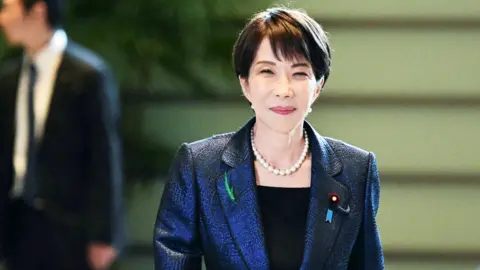
Japanese Prime Minister Sanae Takaichi stated, In an increasingly severe security environment, no single country can now protect its own peace and security alone. However, she affirmed that Japan remains committed to being a peace-loving nation for over 80 years.
Chief Cabinet Secretary Minoru Kihara noted that the policy change aims to safeguard Japan's security and enhance regional stability.
China has expressed serious concerns, labeling Japan's military expansion as 'reckless militarization' and warning it would remain vigilant against such moves.
As Japan's Self-Defense Forces participated for the first time as combat units in annual military exercises with the US and the Philippines, tension with China soared. The drills are located near waters and islands claimed by Beijing, including Taiwan, which China views as a breakaway province.
Japan's defense posture has been largely influenced by its post-World War Two constitution, which renounces war as a method for resolving international disputes. Over the years, the pacifist mindset has been gradually shifting, with leaders advocating for modernization of its defense strategies against rising threats from China, Russia, and North Korea.
Critics fear Japan's transformation into a more militarized nation may lead it into military conflicts, while supporters argue this reflects a necessary adaptation to contemporary security realities.