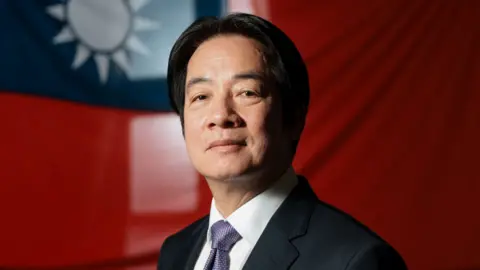
Taiwan will not provoke any conflict but will also not give up its sovereignty, said its president Lai Ching-te after a high-stakes summit between Donald Trump and Xi Jinping, where they discussed the issue of Taiwan's independence.
According to Chinese state media, Xi had told Trump that Taiwan, a self-governed island claimed by Beijing, was the most important issue in bilateral ties and mishandling it could lead to conflict.
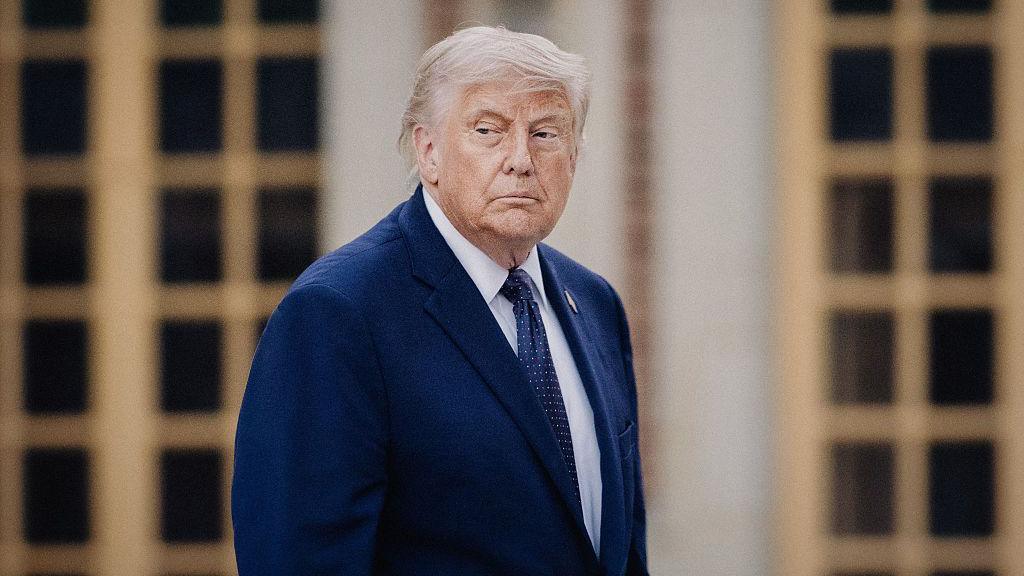
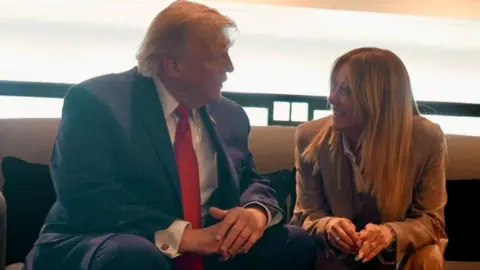
After his visit to Beijing, Trump issued a warning to Taiwan, telling Fox News: I'm not looking to have somebody go independent. The US is a longstanding ally of Taiwan and is bound by law to provide the island with the means to defend itself.
During his interview, Trump said that US policy on Taiwan had not changed, while making it clear he did not seek conflict with Beijing.
Trump also told reporters Xi had felt very strongly about Taiwan, but Trump had made no commitment either way.
Under Lai and his predecessor Tsai Ing-wen, the Taiwanese government has for years maintained that there is no need to formally declare independence because it already considers Taiwan a sovereign nation.
Lai reiterated this stance in his Facebook post, which was his first direct response to the summit, stating, there is no 'Taiwan independence' issue. He emphasized that Taiwan, the Republic of China, is a sovereign and independent democratic country, adding that Taiwan's future must follow the will of all the Taiwanese people.
Most people in Taiwan consider themselves a sovereign nation. However, many prefer maintaining the status quo in cross-strait relations: neither unifying with China nor formally declaring independence.
Beijing has been vocal in its dislike of Lai, whom it has described as a troublemaker and destroyer of cross-strait peace.
Lai stated on Facebook that Taiwan will not provoke, will not escalate conflict, but will not under pressure give up national sovereignty and dignity, as well as the democratic and free way of life. He insisted that Taiwan has always been a firm defender of the status quo on both sides of the Strait.
Lai also expressed willingness to promote healthy and orderly exchanges with China based on equality and dignity, rejecting China's attempts at coercion under the guise of unification.
Earlier, the presidential spokesperson asserted that it was self-evident that Taiwan was a sovereign, independent democratic country while reaffirming their commitment to maintaining the status quo.
Beijing has emphasized its desire for peaceful reunification with Taiwan but has not ruled out the use of force.
For decades, the US has sold weapons to Taiwan under the Taiwan Relations Act to ensure the island can defend itself. Today, the US remains Taiwan's principal ally and largest arms supplier.
In December, the Trump administration approved $11bn in arms sales to Taiwan—one of the largest deals ever. This move drew criticism from Beijing, which has intensified military pressure on Taiwan with drills around the island.
Upon returning from China, Trump mentioned a potential $14bn arms sale to Taipei, noting he would decide on the sale's fate and that he and Xi discussed it in great detail.
Since 1982, the US has assured Taiwan that it would not consult Beijing regarding arms sales, although Trump suggested that the commitments from the 1980s might be outdated.
On Sunday, Lai thanked Trump for his continued support for peace in the Taiwan Strait, along with the increase in arms sales. Lai stressed that given China has not ruled out the use of force to annex Taiwan while expanding its military power, the continued US arms sales and security cooperation are vital for regional peace and stability.