Jeff Bezos says AI will create jobs, not replace humans
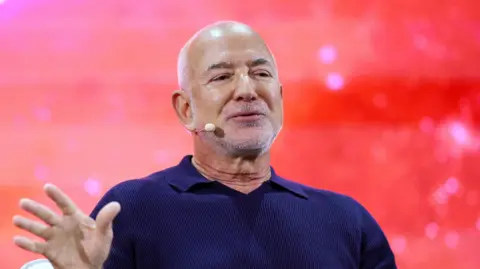
At VivaTech in Paris, Amazon founder and Blue Origin CEO Jeff Bezos argued that the rise of artificial intelligence will increase the need for human workers rather than replace them, countering voices that fear AI-driven automation will cause widespread job loss.
Bezos opened by pointing out that many experts are concerned about AI making people redundant. "I totally disagree with that point of view. AI will create a labour shortage," he said, asserting that technology removes barriers that limit human ambition.
The speech focused on his new AI-backed venture Prometheus, which aims to accelerate physical manufacturing—a sector that is becoming increasingly automated.
In contrast to comments from former UK prime minister Rishi Sunak—now an adviser at AI firm Anthropic who warned that AI could hurt young people’s job prospects—Bezos painted an optimistic, future‑oriented picture. He highlighted that AI can unlock new opportunities and help workers benefit from productivity gains, a stance echoed by the UK’s Trades Union Congress, which cautioned against a “deindustrialisation” disaster if AI is mis‑used.
Beyond manufacturing, Bezos spoke about space exploration. He described the Moon as "supply constrained, not demand constrained," suggesting it could become a natural base for future human industry. "We’re going to the Moon to stay, not just to visit," he told the audience, adding that lunar resources might eventually support permanent bases and refuel rockets.
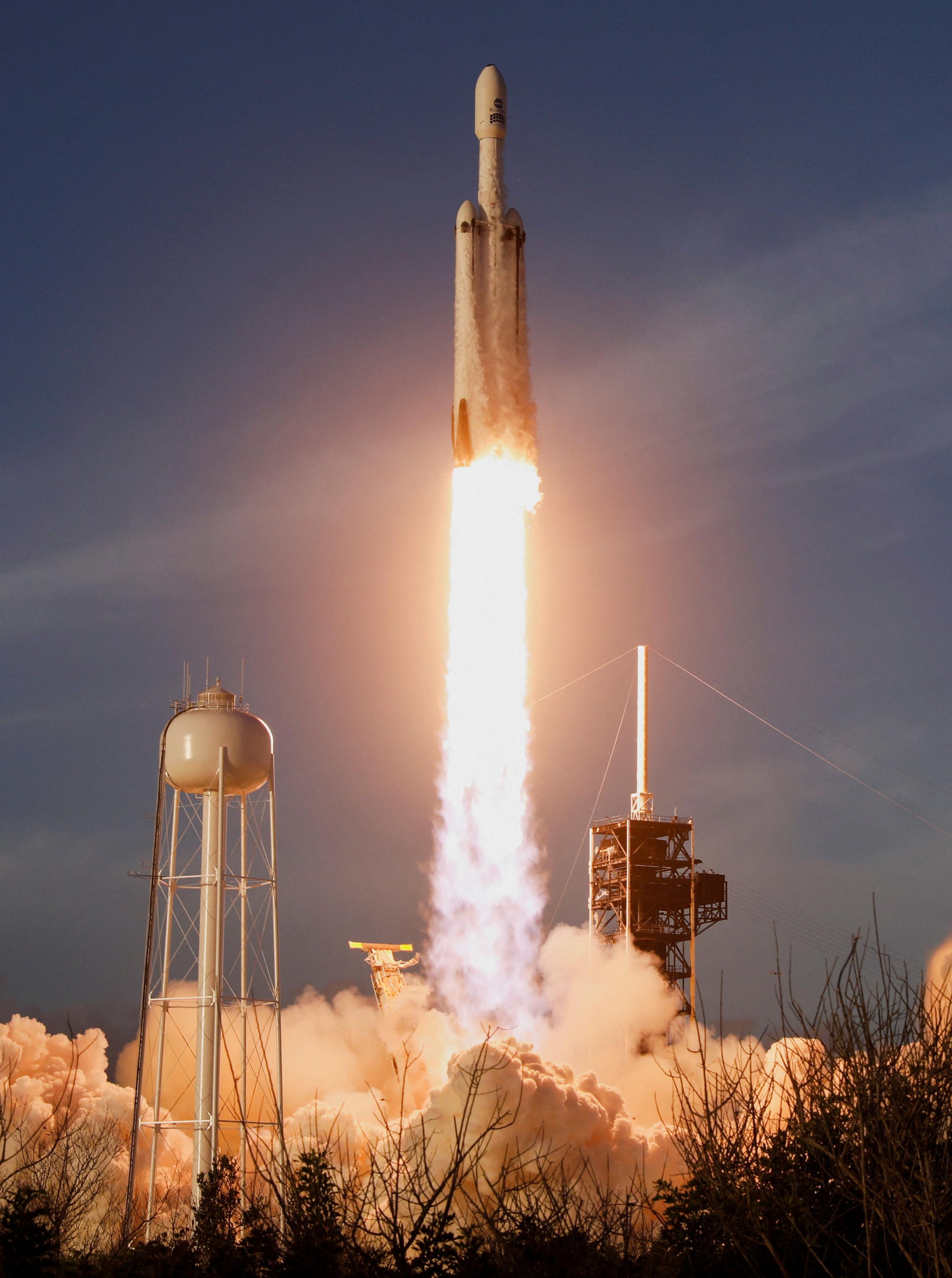
He also discussed Blue Origin’s latest setbacks. An uncrewed New Glenn rocket exploded during a ground test in May, but Mr Bezos said the team felt lucky that there were no injuries and critical launch components survived. Blue Origin’s chief executive Dave Limp said reconstruction is underway and launches could resume before year‑end.
While Bezos’s main focus was AI and space, another highlight of the event was a humanoid robot from Unitree, which attracted strong crowds. The robot, powered by brain‑computer interface technology from HABS, responded to EEG‑generated commands, illustrating future collaboration between humans and machines. This demo underscored a broader trend of AI‑driven robotics moving from virtual chatbots to the physical world.