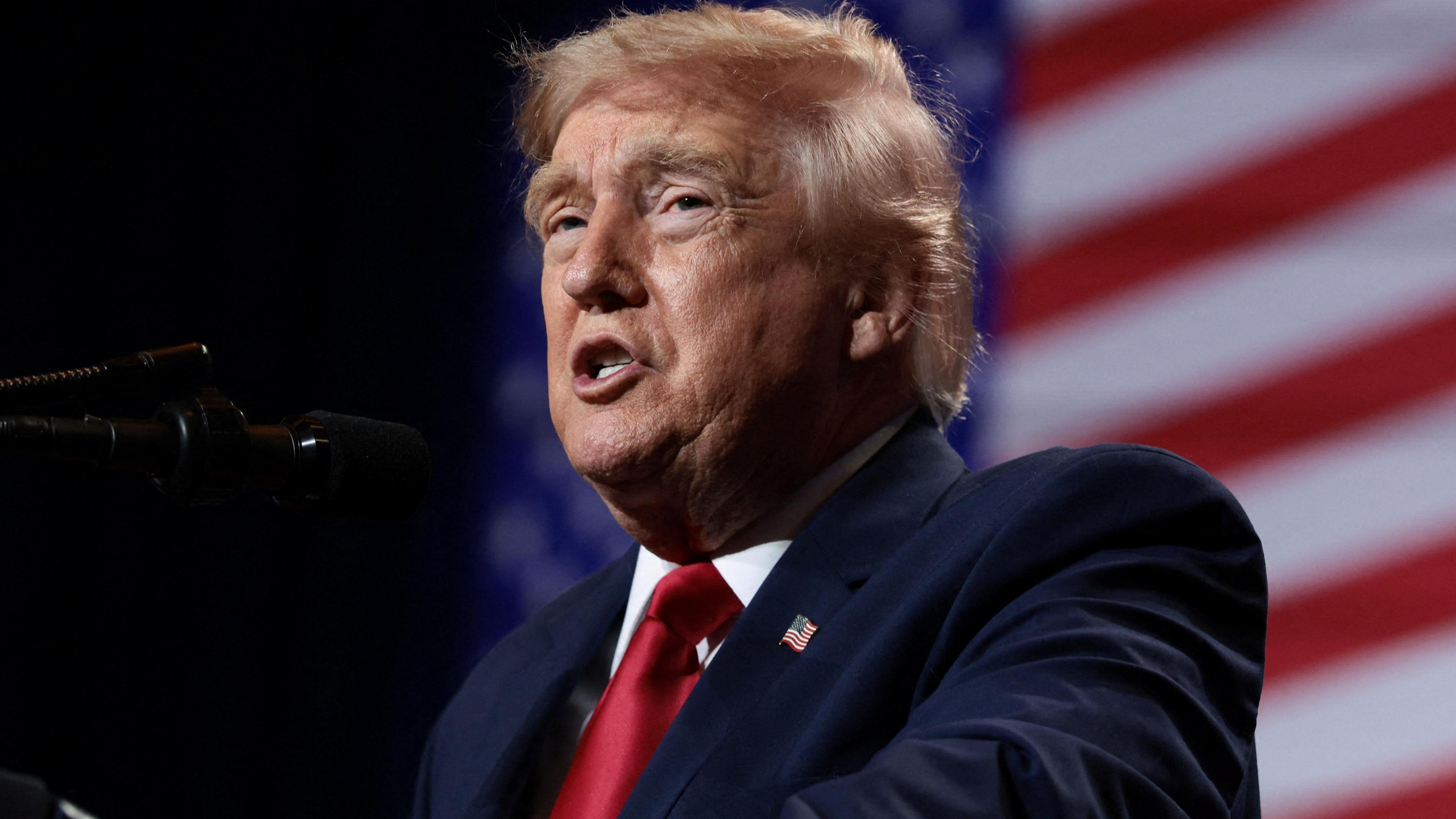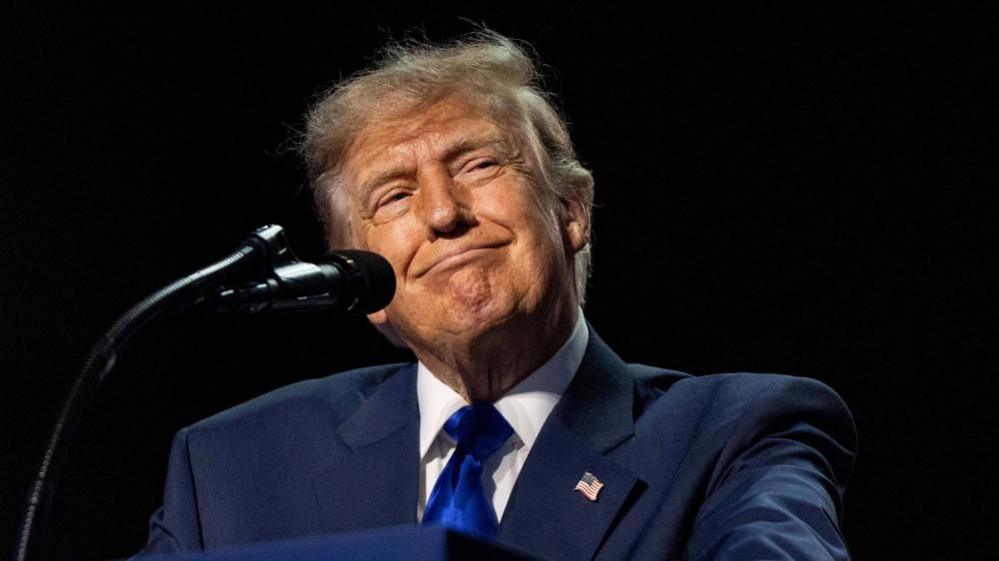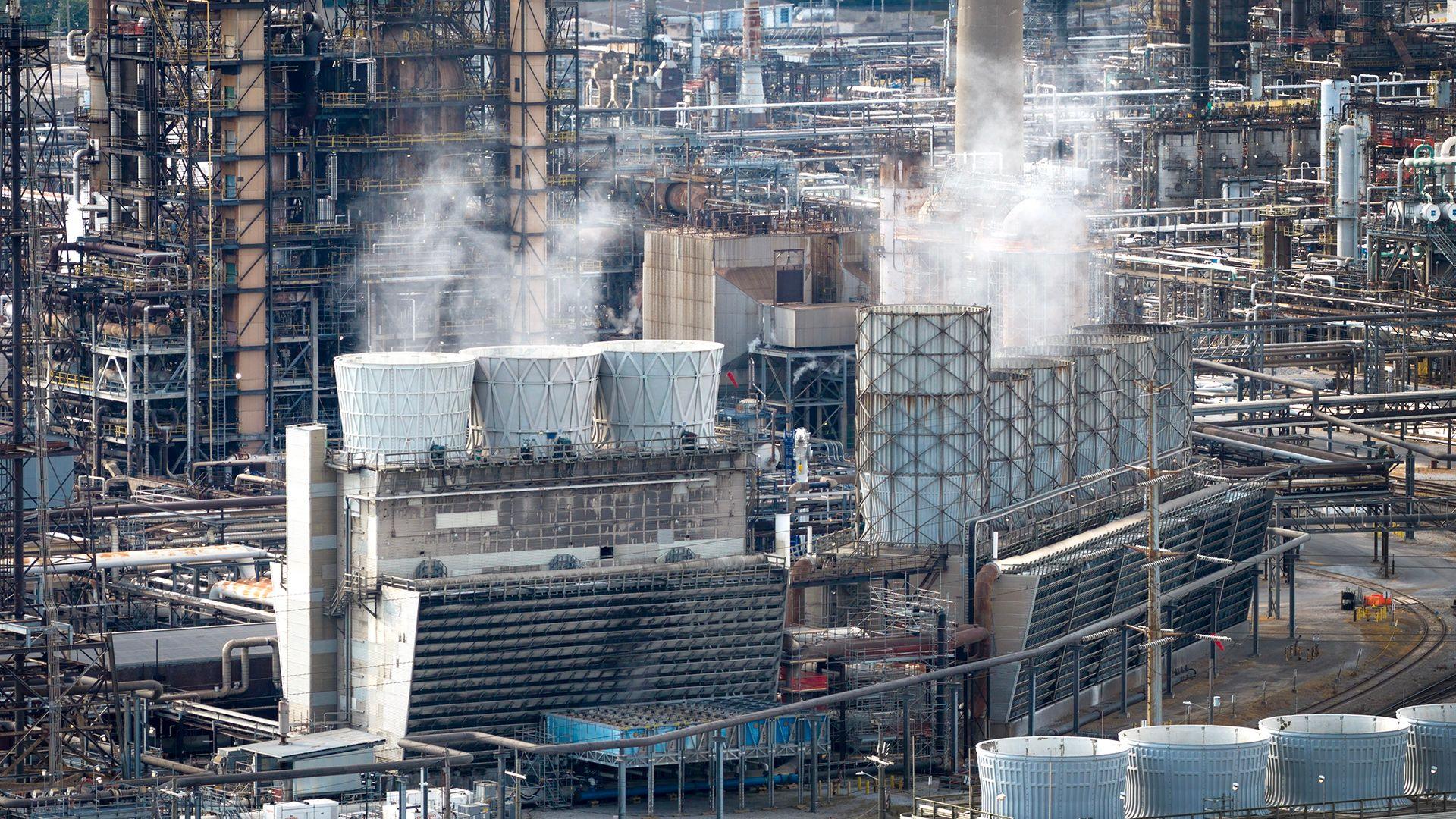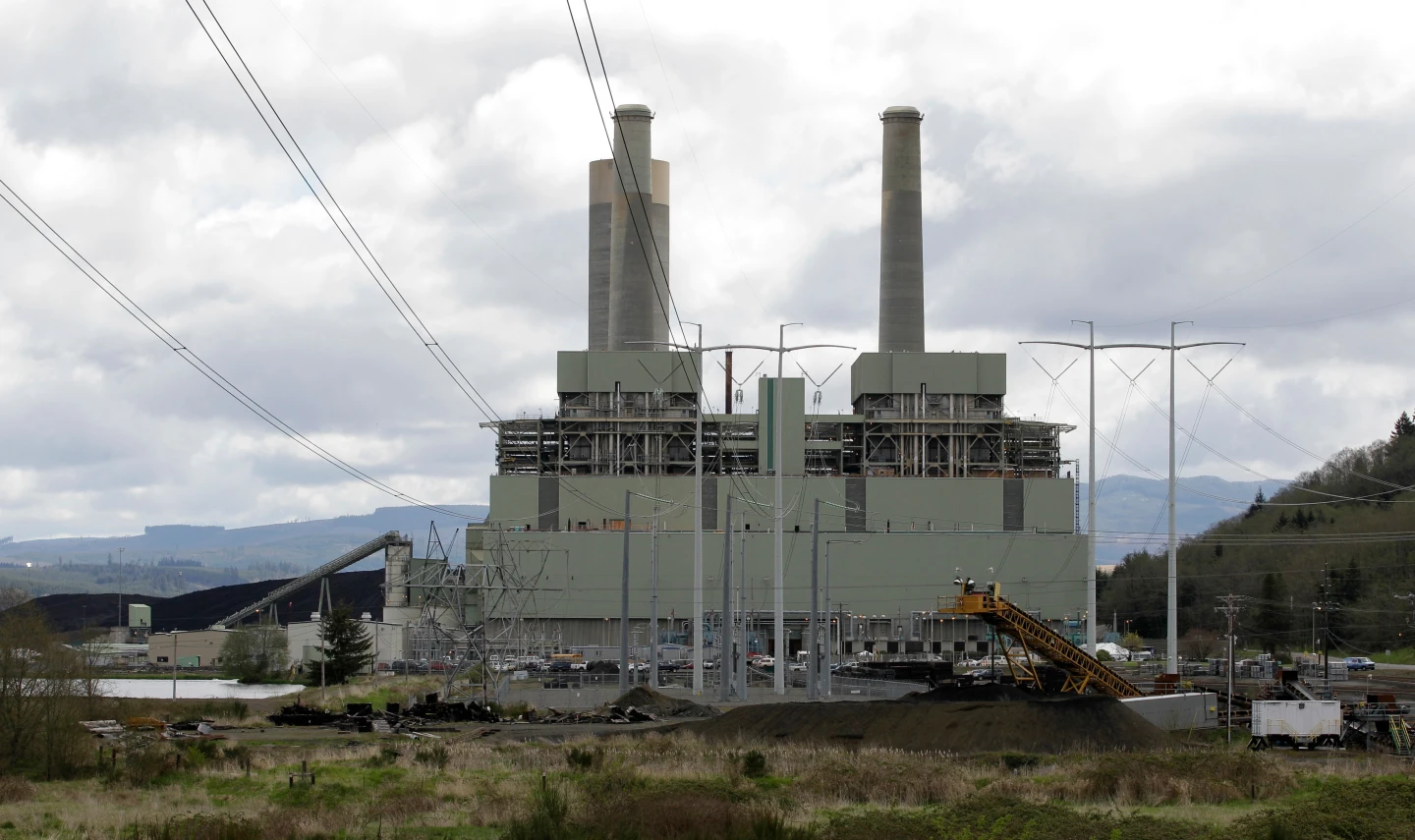
President Donald Trump announced Wednesday that the administration will pour nearly $700 million into the U.S. coal industry. Under the Defense Production Act, the funds will keep 13 coal plants operating past their scheduled retirement dates and support the construction of new facilities in Alaska and West Virginia – the first new U.S. coal plants built since 2013.
The money will also revive a coal‑fired power plant in Maryland and help build a stalled coal export terminal in Oakland, California. According to a White House spokesperson, the move will create or support more than 14,000 jobs in coal, construction, rail and maritime sectors.
Trump’s push to revive coal follows last year’s announcement that 13 million acres of federal lands would be opened for coal mining and that $625 million would be allocated to the recommissioning or modernization of coal‑powered plants. The president’s executive orders have also kept fossil‑fuel plants in Michigan, Indiana, Colorado and Washington state running beyond their original retirement dates, citing rising U.S. power demand from data centers, artificial intelligence and electric vehicles.
Energy Secretary Chris Wright said the emergency orders “helped prevent major blackouts during the harsh winter that gripped much of the country in January and February.” He added that the measures keep the grid stable during periods of high demand.
“Propping up coal billionaires with taxpayer money is one more way for the Trump administration to put polluters first and put the rest of us at risk,” said Kit Kennedy, managing director for power at the Natural Resources Defense Council. “What’s next – a taxpayer bailout to build new phone booths?”
Kennedy and other environmental critics warn that the policy will lead to higher electricity bills and dirtier air. “The best thing for the air, the climate and our utility bills is to let these plants retire peacefully,” she said.
In the broader context, U.S. coal exports fell during the first year of Trump’s second term, largely because China imposed reciprocal tariffs on American products after the administration’s broad tariff announcement. Global coal demand reached record levels in recent years but is expected to flatten or decline in coming years, according to the International Energy Agency.
Coal that once provided more than half of U.S. electricity now accounts for roughly 15% of the grid, down from about 45% in 2010. Natural gas supplies about 43% of U.S. electricity, with the remainder coming from nuclear power and renewable sources such as wind, solar and hydro.
Trump is expected to invoke the Defense Production Act, a 1950 law that grants presidents wide authority over national security‑related industries, to justify the investment and keep aging plants in operation.
}