LEXINGTON, Neb. — On a frigid Sunday following Mass at St. Ann’s Catholic Church, worried congregants gathered in the church basement, their faces reflecting the dread shared throughout this Nebraska town as news breaks of job losses looming on the horizon.
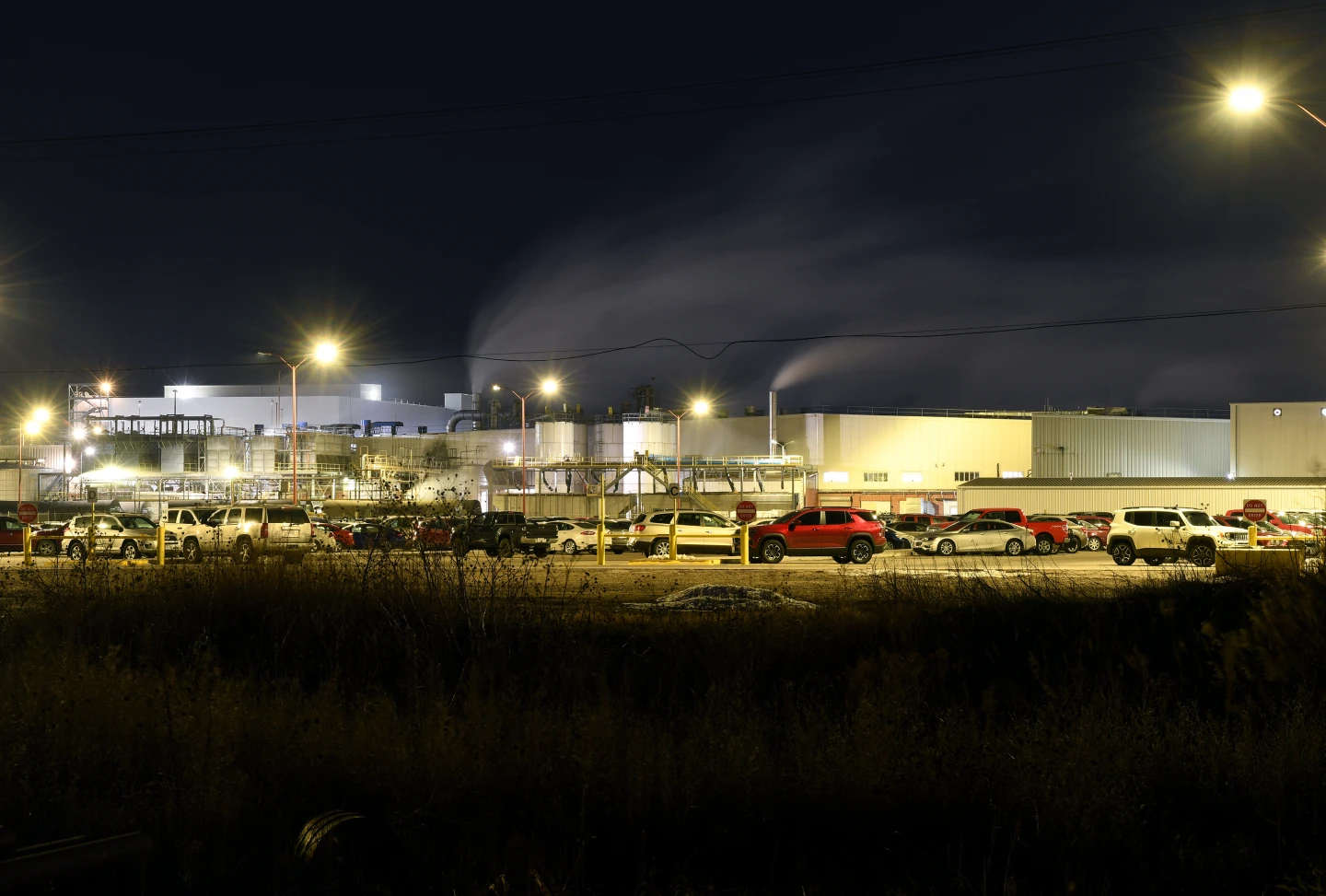
Over 3,200 locals are set to lose their jobs as the Tyson Foods beef plant, Lexington's biggest employer, prepares to close its doors after more than two decades of operation. The closure hits hard in a town of just 11,000, potentially uprooting hundreds of families.
“Suddenly they tell us that there’s no more work. Your world closes in on you,” said Alejandra Gutierrez, who has worked at the plant. The closure could trigger a cascading effect, with surrounding businesses like restaurants and grocery stores suffering layoffs as a direct result.
City officials estimate that if around 1,000 families leave, the ripple effects will lead schools to face declining enrollment, possibly prompting layoffs of teachers. “Losing 3,000 jobs in a city of 10,000 to 12,000 people is as big a closing event as we’ve seen virtually for decades,” remarked Michael Hicks, an economist at Ball State University.
Tyson Foods cited the need to “right-size” its beef production business due to historically low cattle herds and a projected loss of $600 million in the next fiscal year. This decision throws into chaos the established economic status quo, with many wondering where they will go if they have to leave Lexington.
“Tyson was our motherland,” lamented Arab Adan, a plant worker and immigrant. While many workers are scrambling for new job opportunities, others face an uncertain future with plans to move, returning to their countries of origin or seeking equivalent work elsewhere. The emotional weight of the announcement has left many grappling with despair.
As church members collected donations to support affected families, Gutierrez reflected on how her daughter, Kimberly, expressed doubts about pursuing college amid the looming financial instability. “It’s home mostly, not the job,” said Francisco Antonio, another plant worker, emphasizing the personal stakes involved.
The economic well-being of Lexington hinges on effective transitions and support systems post-closure. Community leaders hope for a repurposing of the facility, potentially bringing in new companies to replace the lost jobs. Tyson owes this community a debt, argued City Manager Joe Pepplitsch, highlighting the need for Tyson to assist financially in cushioning the impending crisis.
With uncertainty in the air, the true impact of Tyson Foods’ closure will not only resonate through the loss of jobs but also challenge the threads of community cohesion that have held Lexington together.