From family-run cafes to retail giants, businesses are increasingly coming into the crosshairs of President Donald Trump’s mass deportation campaign, whether it’s public pressure for them to speak out against aggressive immigration enforcement or becoming the sites for such arrests themselves.
In Minneapolis, where the Department of Homeland Security says it’s carrying out its largest immigration operation ever, hotels, restaurants, and other businesses have temporarily closed their doors or stopped accepting reservations amid widespread protests.
On Sunday, after the U.S. Border Patrol shot and killed Alex Pretti in Minneapolis, more than 60 CEOs of Minnesota-based companies including Target, Best Buy, and UnitedHealth signed an open letter calling for “an immediate deescalation of tensions and for state, local and federal officials to work together to find real solutions.”
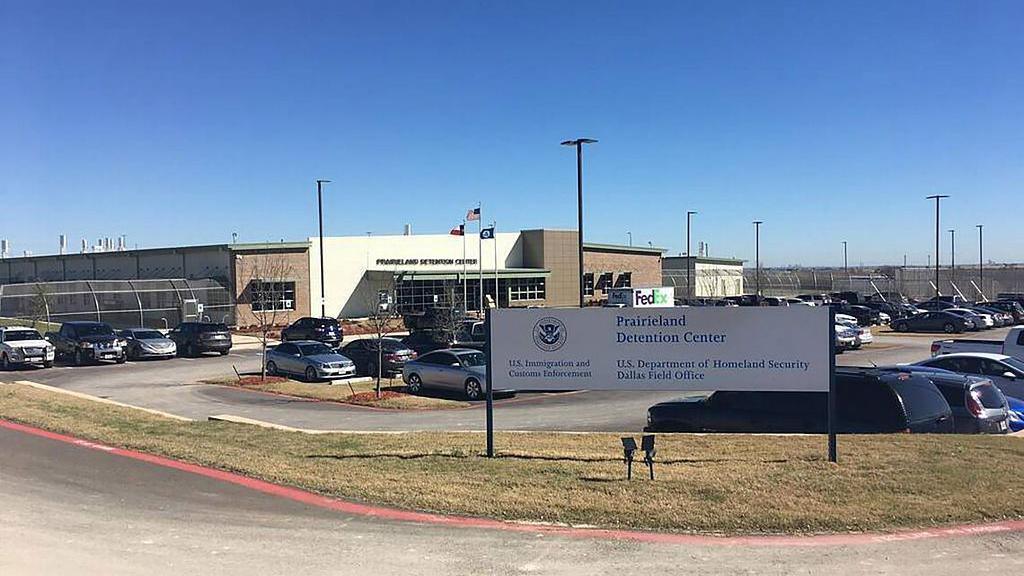
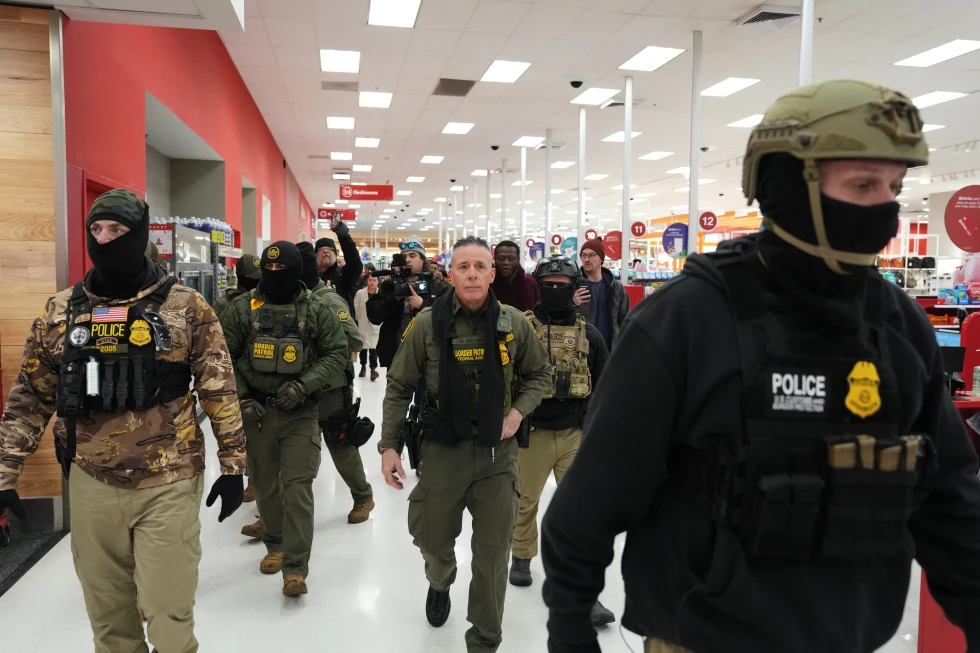
Still, that letter didn’t name immigration enforcement directly, or point to recent arrests at businesses. Earlier this month, widely-circulated videos showed federal agents detaining two Target employees in Minnesota. U.S. Immigration and Customs Enforcement (ICE) has also rounded up day laborers in Home Depot parking lots and delivery workers on the street nationwide.
Anyone — including ICE — can enter public areas of a business as they wish. This can include restaurant dining sections, open parking lots, office lobbies, and shopping aisles. Immigration officials may try to question people, seize information, and even make arrests in public-facing parts of a business.
However, to enter areas where there’s a reasonable expectation of privacy — like a back office or a closed-off kitchen — ICE is supposed to have a judicial warrant. Judicial warrants should not be confused with administrative warrants, which are signed by immigration officers.
In Minnesota — and other cities that have seen surges in immigration enforcement — businesses have put up signs to label private spaces, educated workers on how to read different warrants, and set protocols for what to do when ICE arrives.
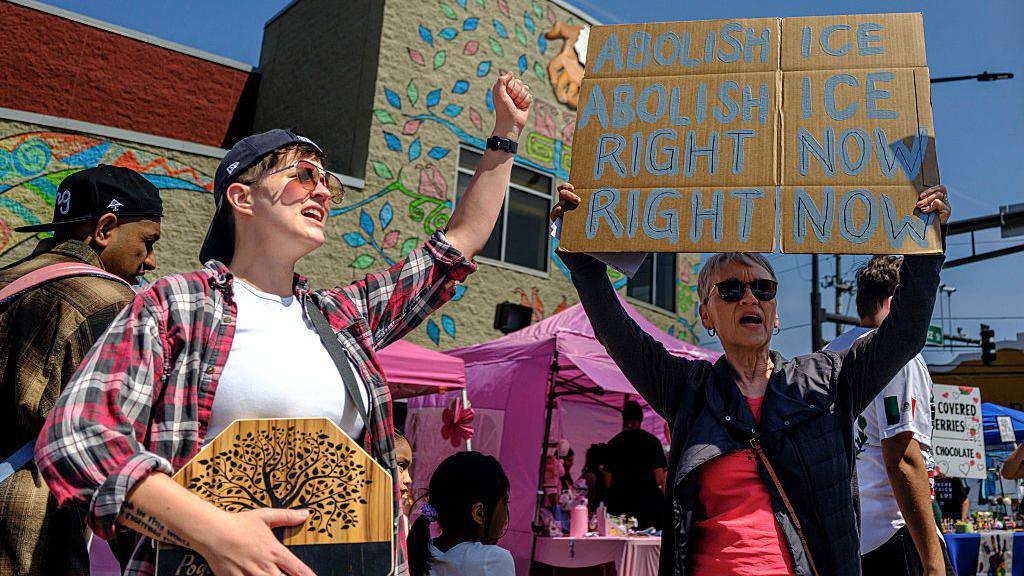
ICE’s increased presence and forceful arrests at businesses have sparked public outcry, some of it directed at the companies themselves for not taking a strong enough stand. Some employers, particularly smaller business owners, are speaking out about ICE’s impacts on their workers and customers. But several larger corporations have stayed silent, facing pressure to address the implications of ICE's actions on their operations.
As the landscape continues to shift amid these tensions, the response from the business community remains varied, reflecting broader societal divisions on immigration and enforcement practices.