In brief
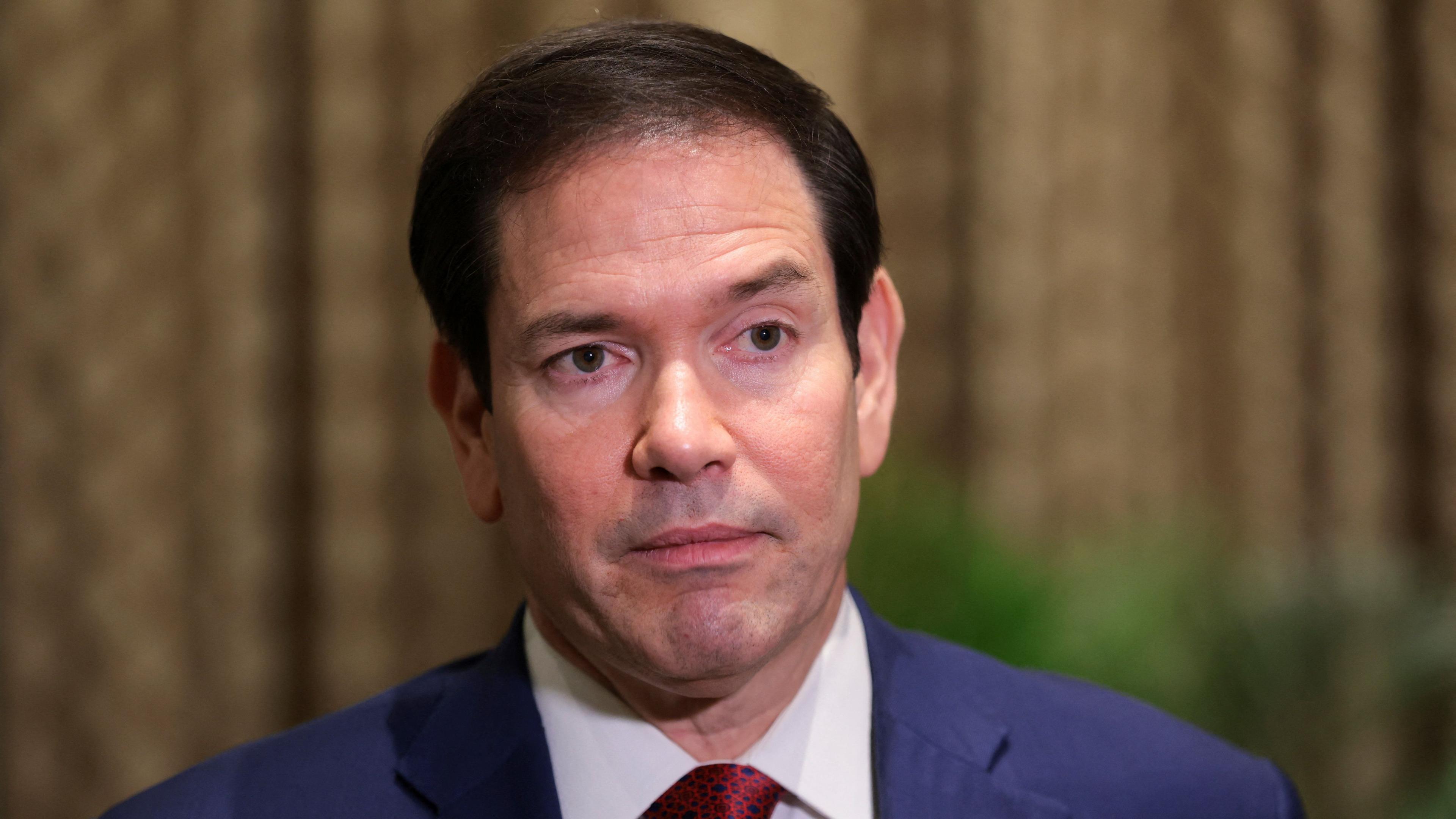
US Secretary of State Marco Rubio landed in Mumbai for talks with Indian officials and then flew to Jamnagar, Gujarat’s largest refinery, to underscore America’s push for greater oil processing in India. The trip comes as the Trump administration seeks to contain domestic fuel costs ahead of the November midterms amid tension over Russian oil imports. While the visit did not yield an immediate trade deal, experts see it as a move to strengthen U.S‑India energy cooperation and to reduce India’s dependence on Russian crude. The meeting also raised the possibility of increased Venezuelan oil refining and the potential for American investment in a new Texas refinery.
On his second trip to India in 2026, US Secretary of State Marco Rubio chose a stop in Jamnagar, Gujarat, over the expected visit to the capital Delhi. The Western Indian port city, known for housing the world‑largest oil refinery run by Mukesh Ambani’s Reliance Industries, became the centerpiece of an energy‑focussed U.S. diplomatic swing that reflects the Trump administration’s urgency to cap rising domestic fuel costs ahead of the November midterm elections.
After meeting Foreign Minister Subrahmanyam Jaishankar and senior business leaders in Mumbai’s Taj Mahal Palace Hotel, Rubio flew to Jamnagar to tour the refinery. While the visit was tightly controlled and media access limited, it offered Washington a rare opportunity to tap India’s refining capacity—about 1.4 million barrels per day, roughly 1.5 % of global output—to help alleviate international supply frictions caused by tensions in the Middle East.
In addition to energy trade, the trip carried a broader diplomatic context. The United States has imposed and later relaxed tariffs on Indian goods linked to Russian oil purchases, and India has grown to become a major buyer of Russian crude since the 2022 invasion of Ukraine. Rubio’s remarks—calling India a “refining superpower” and urging more Venezuelan oil processing—suggest an attempt to re‑balance energy flows away from Russia toward Venezuela and the United States.
Industry analysts note that the meeting could lay groundwork for a long‑awaited U.S‑India trade agreement. While progress on tariff negotiations remains stalled, scholars anticipate that stronger energy ties may lighten mutual concerns over crude sourcing and lay the foundation for eventual commercial agreements.
Whether the Jamnagar visit will translate into concrete policy shifts or simply signal a diplomatic realignment remains to be seen, but it undoubtedly highlights how global energy markets are reshaping the relationship between the world’s two largest economies.