In brief
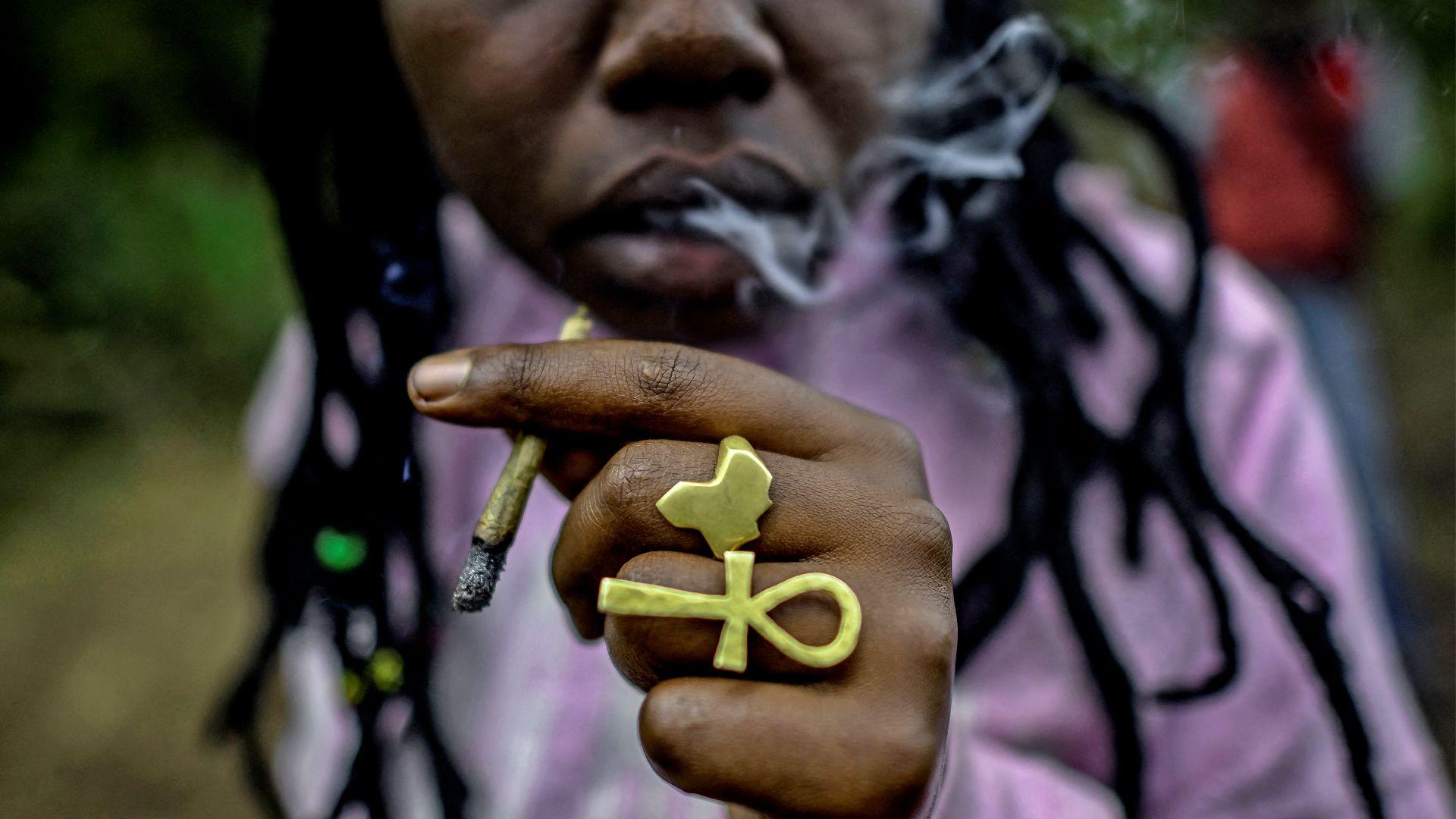
In a landmark ruling, Kenya's High Court dismissed a six‑year legal campaign by the Rastafarian Society seeking to legalise cannabis for private religious worship. The court stated that the group failed to demonstrate that cannabis consumption was a core requirement in Rastafarian doctrine. While the decision does not touch upon broader cannabis legalization debate, it highlights constraints on religious freedom in the context of strict anti‑drug laws. Rastafarian leaders plan to appeal, and the case underscores Kenya's continuing tense stance on cannabis despite economic arguments for its regulated use.
Kenya’s High Court has dismissed a bid by the Rastafarian Society of Kenya to legalise the use of cannabis for religious worship. The court ruled that the petition did not demonstrate that cannabis consumption is a central and essential practice of the faith.
The group had argued that cannabis, known as "marijuana" or "ganja" in their tradition, is a sacred sacrament and warranted a private exemption for cultivation and use in homes and churches. They claimed the ban on smoking cannabis infringed upon constitutional rights to freedom of religion and belief.
Justice Bahati Mwamuye pointed out that a religious exemption would only be granted if the activity proved to be an "essential element" of the religion. He found the evidence presented by the Rastafarian Society to be inconsistent and insufficient to establish that cannabis is obligatory for their faith.
Despite this setback, the case signals that the debate over cannabis policy remains alive in Kenya. Advocates argue that regulated cultivation could generate jobs, increase tax revenue and support medicinal uses. Yet the Narcotic Drugs and Psychotropic Substances (Control) Act still classifies possession of cannabis as a criminal offence.
A person convicted of possessing cannabis for personal use faces up to five years’ imprisonment or a fine of up to $800 (£600). Cultivation carries a fine of $1,900 or three times the market value of the plants, whichever is higher, and may bring up to 20 years in jail. Trafficking and other drug‑related offences attract even more severe penalties.
Rastafarian leaders plan to appeal the ruling. The community’s lawyer, Danstan Omari, stated that Kenya cannot be the only country to penalise the Rastafarian people and that the appeal will seek to reverse the court’s decision and restore dignity and respect for the faith.
The High Court’s decision comes seven years after a separate ruling recognised Rastafarianism as a protected religion, finding that expelling a student for her dreadlocks violated her constitutional rights. Although the exact number of Rastafarians in Kenya is unknown, the movement is thought to be growing, especially among young people. Their use of dreadlocks also resonates with Kenya’s anti‑colonial history, recalling Mau Mau fighters who used long, matted hair as a symbol of defiance.