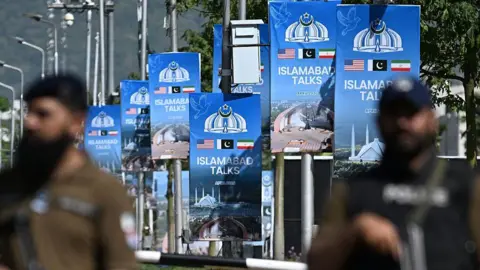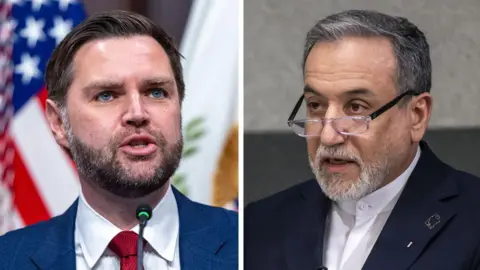
As preparations are underway for vital US-Iranian talks in Islamabad, five critical issues have emerged that threaten to derail any potential progress. The Pakistani government, acting as host, is optimistic about its unique relationship with both sides, highlighting its role in fostering dialogue.
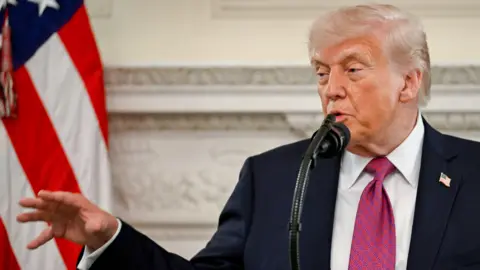
Leading the US delegation is Vice President JD Vance, who expressed readiness to negotiate but cautioned that the US would remain firm against any attempts at deception from the Iranian side.
Amid an atmosphere of cautious optimism, several underlying issues could impede discussions:
1. Israel's Actions Against Hezbollah
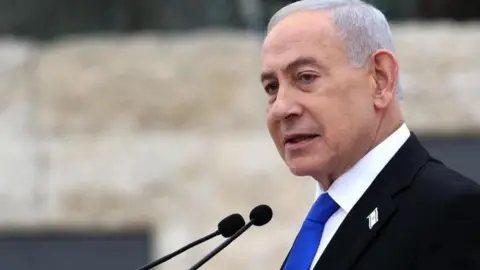
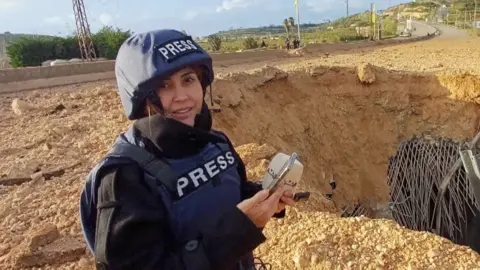
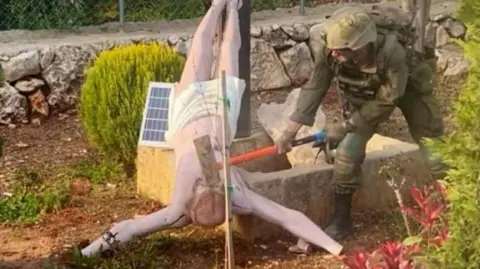
The ongoing military activities by Israel against Hezbollah could jeopardize the talks before they begin. Iranian officials, including President Masoud Pezeshkian, have warned that continued aggression will render negotiations meaningless. Israel's Prime Minister Benjamin Netanyahu remains firm in his stance against Hezbollah, complicating the diplomatic landscape.
2. Control of the Strait of Hormuz
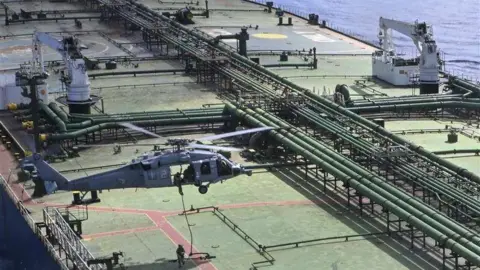
The negotiation process also hinges on transit issues through the strategically crucial Strait of Hormuz. US concerns have been raised regarding Iran's management of this vital shipping lane, as restrictions continue to hinder maritime passage, threatening global oil supply routes.
3. Nuclear Ambitions
One of the most significant and long-standing disputes revolves around Iran's nuclear program. The US demands a halt to uranium enrichment while Iran insists on its rights to peaceful nuclear energy as a signatory of the Nuclear Non-Proliferation Treaty (NPT). Both sides claim their proposals are reasonable, but substantial gaps remain.
4. Regional Influence and Proxies
Iran's network of allies, including Hezbollah and Houthi rebels, adds another layer of complexity to the negotiations. While many in Iran crave economic relief and peace over foreign involvement, Tehran shows little sign of retracting its support for these groups.
5. Sanctions Relief
Finally, Iran demands substantial sanctions relief as part of any agreement, including the release of vast sums in frozen assets. However, the US administration's willingness to concede on such critical economic terms remains unclear as negotiations begin.
These five sticking points encapsulate the fraught landscape of US-Iran relations, setting the stage for complex discussions with high stakes for both nations and the broader geopolitical climate.