In brief
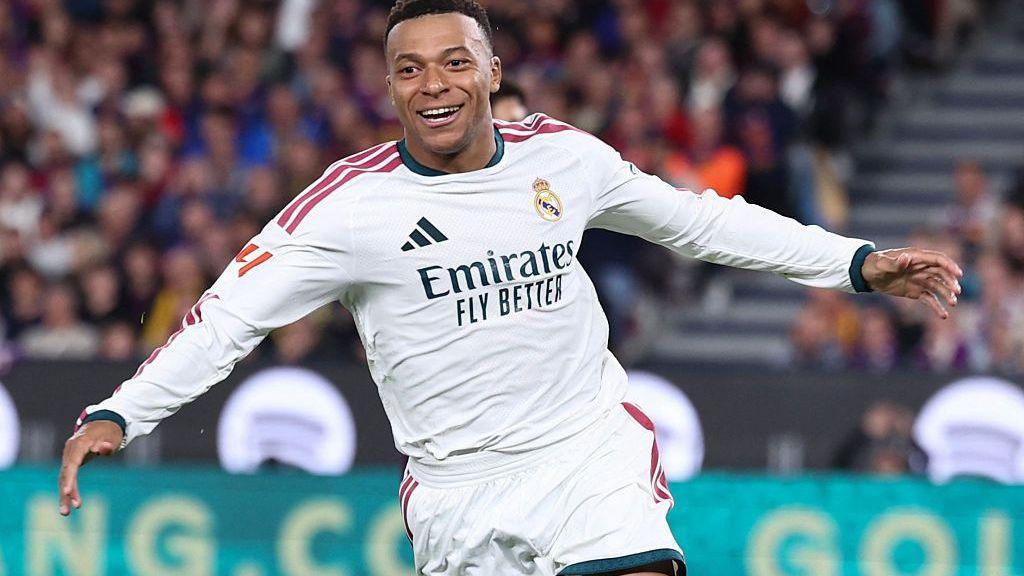
Kylian Mbappé issued an apology following a meme that linked him to Mao Zedong, comments that provoked a strong backlash on Chinese social media. Major Chinese brands severed ties with the striker, and China’s foreign ministry condemned the remarks, noting their hurt to national sentiment. Meanwhile, Spanish La Liga and Real Madrid expressed regret for the offense caused to Chinese fans. The incident highlights the sensitivity of historical figures in China and the risks global celebrities face when engaging in political humor.
French footballer Kylian Mbappé said he was sorry for an “ill‑judged” remark that linked him to late Chinese leader Mao Zedong. The comment was made on a French talk show in a casual reference to a circulating meme that shows Mbappé’s face over an image reminiscent of Mao.
He added that he now understands the comment hurt many people in China and in Chinese communities worldwide, and he apologised to everyone whose feelings were upset. The French star’s apology came after several Chinese brands terminated partnerships with him in the wake of the incident.
Spain’s La Liga statement echoed the regret of the football league, saying it “deeply regrets the offence that Kylian Mbappé’s recent comments have caused among Chinese fans.” La Liga’s statement that the striker’s comments harmed a major fan base in the world’s second‑largest football market was widely reported.
In China, the incident triggered brand cancellations that extended beyond the football sphere. Major dairy producer Mengniu and drink giant Dongpeng publicly condemned the remarks, describing them as a clear violation of their “zero‑tolerance policy towards any words or actions that hurt people’s feelings.”
The state‑run newspaper Global Times reported that China’s national broadcaster CCTV would not air any content related to Mbappé, including La Liga matches, while noting a broader boycott of the star and his club Real Madrid.
Foreign Ministry spokesperson Lin Jian said China had taken notice of the reports and that any words or deeds that hurt national sentiment would invite opposition from all sectors of Chinese society.
Mbappé, who enjoys massive commercial popularity in China and has signed multi‑million‑dollar endorsements, had previously faced criticism for the nickname “the dictator” that references his perceived influence on the pitch. The nickname has sparked jokes that compare him to historical dictatorial figures, a practice that brands and fans have found politically sensitive.
Mao’s legacy remains a highly charged topic in China, where the Communist Party continues to present him as an infallible national icon despite the historical controversies surrounding his rule. Because the figure is protected, any reference—especially a mocking meme—can trigger swift and severe reactions from corporate and governmental entities.
The controversy underscored how global sports stars navigate cultural sensibilities in markets with strict political narratives while managing international brand expectations. Mbappé’s apology and the rapid response from sponsors, leagues, and the Chinese government reflect a delicate balance in maintaining commercial success and respecting cultural norms.”