In brief
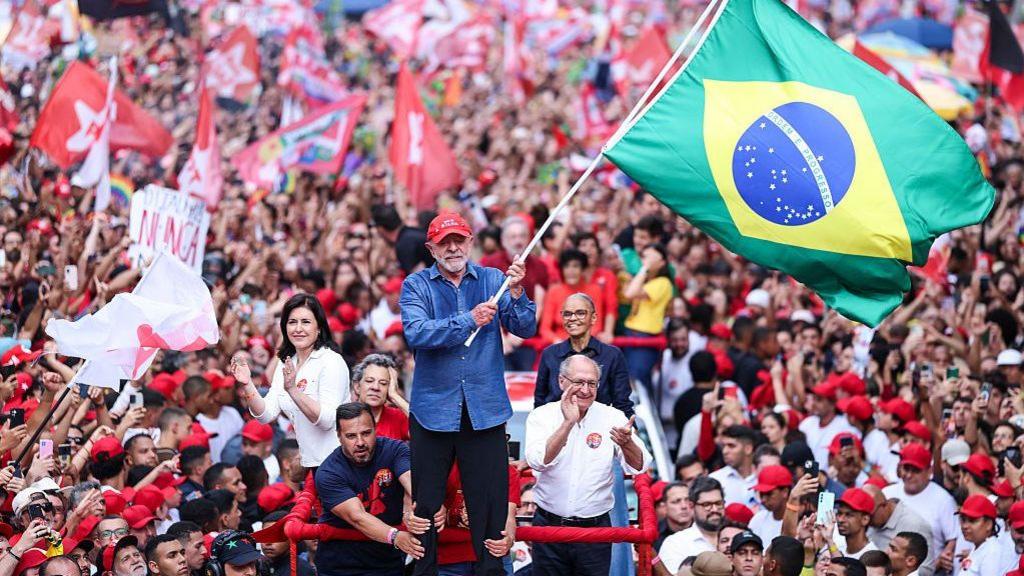
In a landslide win, former union leader Luiz Inácio Lula da Silva reclaimed Brazil’s presidency, challenging U.S. influence in the region. The campaign’s sharp anti‑interference rhetoric resonated domestically and drew the admiration of ex‑President Donald Trump, who subsequently condemned the election as "rigged". Trade frictions – notably punitive tariffs – have eased but still threaten to flare. Meanwhile, disagreements over technology, defense, and Brazil’s sovereign payment system keep diplomatic relations on a knife‑edge. The outcome marks a pivotal moment for Latin America’s political alignment and the future of U.S. engagement in the hemisphere.
Lula’s triumphant return to the presidency emboldened a national narrative of sovereignty and anti‑intervention, a stance that directly challenged Washington’s influence over the continent.
The campaign’s messaging—“Brazil will not accept being anyone’s backyard”—brought a threaded sense of patriotism into Brazil’s domestic politics. It also tapped into a broader Latin American swing toward right‑wing leaders, many of whom had previously agreed to cooperate with Trump’s so‑called “Shield of Americas”. The surprise victory, therefore, dealt a blow to the former U.S. president’s Donroe Doctrine, which envisioned Brazil as the final prize in a hemispheric coalition against drug trafficking.
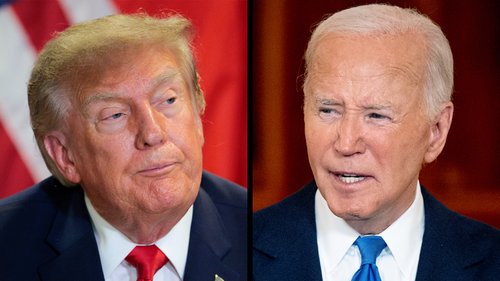
Trump’s reaction was unusual. While he dismissed the result as “terrible” and “rigged”, he also released a conciliatory tone, stating “I like Lula, we get on well,” and praising the new president’s “very good” talks at the United Nations.
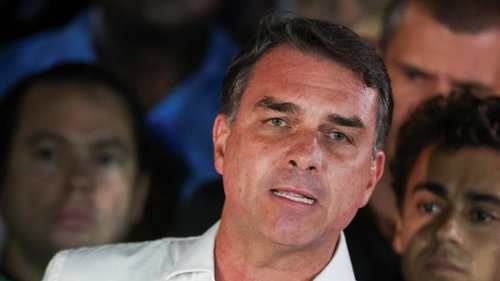
Trade and tariffs have been a flashpoint. The U.S. had imposed punitive tariffs in response to Brazil’s political climate under the Bolsonaro family, but the new administration rolled back many of these measures, only for them to rise again in later negotiations. The flaring trade dispute keeps the U.S. and Brazil on a diplomatic precipice.
Technology and security confrontations follow, from accusations that Meta favored rival candidates to the U.S. criticism of Brazil’s Pix payment system, which threatens the interests of Visa and Mastercard. Additionally, Lula’s veto of U.S. visas for Brazilian officials and the revocation of the Brazilian ambassador’s visa contrast sharply with the growing trade interdependence that places the United States as Brazil’s second‑largest trading partner nationwide.
The broader implications for the region are complex. On the one hand, Lula’s populist, left‑wing credentials show a willingness to confront external pressures. On the other, his commitments to Brazil’s sovereignty and domestic industries may test the limits of a cooperative U.S. alliance that has been used to shape policy across Latin America.
Looking forward, Brazil’s new administration faces a test of its resolve: how far will Lula assert independence from Washington’s diplomatic, economic, and military maneuvering? The outcome will likely influence the trajectory of U.S. policy in Latin America and the degree of regional integration.